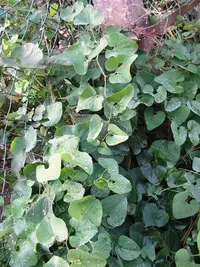
velvetleaf Care (Abutilon theophrasti)

Also known as: butter print, china jute, Indianmallow
velvetleaf

About velvetleaf

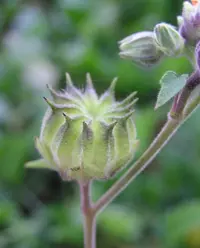
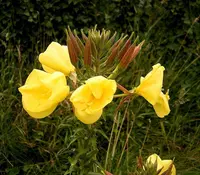
Velvetleaf, Abutilon theophrasti, is an annual broadleaf plant known for its large, soft, heart-shaped leaves covered in fine hairs. It often grows 1–2 m tall with upright, branching stems and small, yellow, hibiscus-like flowers that develop into distinct, segmented seed pods.

This species is native to Asia but has naturalized widely in North America, especially in disturbed soils and crop fields. It grows quickly, tolerates heat and drought once established, and can compete strongly with nearby plants, which affects how to care for velvetleaf in managed spaces.

Velvetleaf prefers full sun, warm conditions, and well-drained soils, and it commonly appears where soil has been recently disturbed or cultivated.


Main Plant Requirements

Care Difficulty

Easy Care

Light Preference

Full Sun

Water Requirements

Moderate Water

Temperature Preference

Warm Climate

Hardiness Zone

4–10

Soil Texture

Sandy, Loamy, Clay

Soil pH

Slightly acidic (6.5–7.0), Neutral (7.0)

Soil Drainage

Well-drained

Fertilization

Minimal (feed rarely)

Get Personalized Care Plan

Scan your plant to receive care tips personalized for your specific plant

Available on iOS and Android

How to Care for the velvetleaf

Abutilon theophrasti thrives in full sun but handles light shade in hot regions.

  • Provide 6–8 hours of direct sun daily; in very hot climates, prioritize morning sun with light afternoon shade to reduce leaf scorch.
  • Plants tolerate partial shade (4–5 hours sun) but may grow taller, flower less, and set fewer seeds under reduced light.
  • Avoid dense shade, which causes weak, spindly stems; in short-day seasons, choose the sunniest, south-facing or open site to maintain compact growth for velvetleaf.

Abutilon theophrasti prefers evenly moist, well-drained soil rather than constant saturation.

  • Water when the top 3–5 cm of soil feels dry, using a slow, deep soak so moisture reaches the root zone without puddling.
  • In hot, windy weather, monitor soil more often; wilting at midday that recovers by evening usually reflects temporary heat stress, not immediate need for heavy watering.
  • Yellowing lower leaves, soft stems, or sour-smelling soil indicate overwatering, while crisp leaf edges and slow growth suggest the plant has been too dry; improve drainage with loose, gritty soil if water lingers on the surface.

This warm-season annual grows best in stable, mild to hot outdoor temperatures.

  • Optimal growth occurs at 70–90°F (21–32°C), where plants develop quickly and leaf and stem tissues remain firm.
  • Growth slows noticeably below 60°F (16°C), and plants are easily damaged by frost; hard freezes below 32°F (0°C) usually kill Abutilon theophrasti outright.
  • Short periods of heat up to about 95°F (35°C) are tolerated if soil moisture is adequate, but extended extreme heat combined with drought leads to leaf drop and stunted development.

This species grows best in moderate ambient humidity but tolerates typical indoor levels well.

  • Aim for 40–60% humidity; avoid very arid rooms with constant hot, dry airflow.
  • Dry, crispy leaf edges and slowed growth suggest chronic low humidity stress.
  • Increase local humidity with a nearby water tray, grouped plants, or a small humidifier near velvetleaf, rather than misting leaves.

This plant prefers loose, moderately fertile, well-drained soil that does not stay waterlogged.

  • Use a loamy mix with roughly 50–60% standard potting soil, 20–30% compost, and 20–30% coarse sand or perlite for structure and drainage.
  • Target slightly acidic to neutral pH, around 6.0–7.5, which supports nutrient availability for Abutilon theophrasti.
  • Improve aeration by incorporating coarse materials such as perlite or fine gravel, especially in heavier garden soils.
  • Avoid compacted clay, dense peat-only mixes, and any site where water remains standing for more than a few hours after rain.

This species can be grown in containers if given enough root space and stable support.

  • Choose a deep, heavy pot that resists tipping as the tall stems and broad leaves create a top-heavy plant.
  • Select a container material with moderate moisture retention, such as thick-walled plastic or glazed ceramic, to prevent rapid drying between waterings.
  • Elevate the pot slightly on feet or bricks so drainage holes clear quickly and excess water does not pool under the base.

This annual weed-like species typically grows vigorously in average to fertile soil and needs little supplemental feeding for home or land managers caring for velvetleaf.

  • On poor soils, apply a light top-dressing of compost once at planting to support early growth.
  • If container-grown, use a balanced NPK liquid fertilizer at 1/4–1/2 strength every 3–4 weeks in the main growing season.
  • Avoid feeding in late fall or winter, as the plant is declining and added nutrients are unnecessary.
  • Do not overapply fertilizer, since excess nitrogen encourages overly lush, weak growth and potential lodging.

Pruning Abutilon theophrasti is usually done for management and safety rather than for ornamental shaping.

  • Cut plants at ground level before seed pods mature, ideally in mid to late summer, to limit spread.
  • Remove broken, diseased, or storm-damaged stems with sharp shears to reduce injury risk and pathogen load.
  • Thin crowded stands by cutting or pulling extra plants to improve air flow and reduce competition.
  • Dispose of seed-bearing material in bags or municipal waste so viable seeds do not return to the soil.

This species is almost always grown in open ground and is more often transplanted as a seedling than repotted in containers.

  • Transplant young seedlings when they have 2–3 true leaves and the soil is warm, usually late spring to early summer.
  • Choose a sunny site with loose, well-drained soil to limit transplant stress and encourage rapid establishment.
  • Water seedlings thoroughly before and after moving to reduce root damage and help soil settle around roots.
  • Avoid disturbing older plants, as they develop deep taproots that respond poorly to lifting and replanting.

Abutilon theophrasti is most often propagated by seed, which germinates reliably under warm conditions.

  • Sow seeds in spring once soil temperatures reach about 65–75°F, either directly outdoors or in trays.
  • Lightly cover seeds with 0.5–1 cm of soil and keep evenly moist until germination in 7–21 days.
  • Provide full sun and moderate watering for seedlings, then thin or transplant to reduce crowding.
  • In managed sites, promptly remove volunteer seedlings to prevent unwanted spread and heavy seed banks.

This annual species dies back completely after frost and typically needs no special winter care in the landscape.

  • In late season, cut and remove plants before seed pods fully mature to reduce seed carryover to the next year.
  • For container specimens, discard spent plants after frost and refresh soil before sowing again in spring.
  • Monitor and control any overwintered seed in disturbed soil areas using shallow cultivation or mulching.

Care Tips

Early stand thinning

In production or research plots, thin dense seedlings early so that vigorous individuals stand 20–30 cm apart, which reduces competition, improves air movement, and gives a clearer view for monitoring plant health and seed development.

Targeted staking support

Install slim, individual stakes for taller plants in exposed or windy sites and tie stems loosely with soft ties to reduce lodging and stem breakage without restricting natural stem thickening.

Timed seed collection

For controlled seed harvest, bag selected seed capsules with fine mesh or paper bags just before they fully mature, which prevents shattering losses and keeps seed lots clean and traceable by plant or plot.

Volunteer control strategy

After seed set, flag known plants and schedule systematic removal or deep cultivation of those spots the following season, since the long-lived seed bank can otherwise cause dense volunteer flushes for years.

Clean cultivation tools

Disinfect and brush off hoes, cultivators, and harvest tools after working in infested areas, as small clinging seeds are easily moved to clean fields or beds and complicate long-term strategies for growing velvetleaf only where intended.

Common Pests and Diseases

Cotton aphids

This pest often colonizes young stems and the undersides of leaves, sucking sap and causing curling, distortion, and sticky honeydew that can lead to sooty mold. Heavy infestations can weaken plants and reduce seed production.

Solution

Spray plants with a strong jet of water to dislodge colonies, then treat remaining clusters with insecticidal soap or a neem oil solution, coating leaf undersides thoroughly. Encourage or conserve natural enemies such as lady beetles and lacewings by avoiding broad-spectrum insecticides nearby.

Green peach aphids

These insects feed on tender growth, extracting sap and transmitting viral diseases between plants in dense stands. Symptoms include yellowing, puckered leaves, and stunted growth, especially on seedlings and young plants.

Solution

Monitor vigorously growing plants and treat hotspots early with insecticidal soap or horticultural oils, repeating as needed to cover new growth. Reduce nearby weed hosts and volunteer plants that harbor aphids to limit reinfestation and virus spread.

Fusarium wilt

This disease is caused by soilborne Fusarium fungi that invade the vascular tissue, leading to one-sided wilting, yellowing, and eventual collapse of stems, often starting on older leaves. Symptoms include brown streaking in the stem when cut open.

Solution

Remove and destroy wilted plants, including as much root material as possible, and avoid replanting velvetleaf or other susceptible hosts in the same soil for several years. Improve drainage and avoid overfertilizing with nitrogen, which can favor the pathogen, and use clean tools to prevent spreading contaminated soil.

Leaf spot complex

This disease involves several fungi that create tan to brown spots with darker margins on leaves, which may coalesce into larger dead areas under humid conditions. Symptoms include premature leaf drop that can weaken plants but rarely kills them outright.

Solution

Collect and remove fallen, spotted leaves to lower the amount of fungal spores in the area, and avoid overhead irrigation that keeps foliage wet. If growing velvetleaf near sensitive crops, increase spacing and airflow so leaves dry quickly, which greatly reduces new infections.

Spider mites

These pests become problematic in hot, dry conditions, feeding on leaf undersides and causing fine stippling, bronzing, and eventual leaf drop, sometimes accompanied by thin webbing. This pest can build up quickly on stressed plants or in sheltered, dusty areas.

Solution

Rinse foliage thoroughly with water, focusing on leaf undersides, and repeat every few days to knock down populations. In persistent cases, apply horticultural oil or insecticidal soap, and raise ambient humidity slightly while reducing plant stress to make conditions less favorable for mites.

Interesting Facts

Serious crop competitor

Velvetleaf is a major agricultural weed in many temperate regions, where its tall, fast growth and dense canopy can significantly reduce yields of crops like corn and soybeans by outcompeting them for light, water, and nutrients.

Remarkably persistent seeds

Its seeds can remain viable in the soil seed bank for many years, germinating over long periods when soil is disturbed, which makes long‑term management of established infestations challenging for farmers and land managers.

Ancient fiber resource

In parts of Asia, velvetleaf has been cultivated for its strong bast fibers in the stems, which are used for making cordage, coarse textiles, and paper, reflecting a long history of practical use despite its weed status in modern agriculture.

Botan icon

Did you know?

Velvetleaf was likely introduced to North America in the 18th or 19th century as a potential fiber crop, but instead became a widespread invasive weed, illustrating how an intentionally introduced plant for industry can escape cultivation and transform into a significant agronomic problem.

FAQs about velvetleaf

This species is considered invasive or noxious in many regions, especially in North America. It spreads readily by seed, competes strongly with crops and natives, and should be controlled before seed pods mature and disperse.

Grow Healthy Plants with Botan Care

Keep your plants happy and healthy with plant identification, disease detection, and easy care guidance.

Botan plant care app — identify plants on mobile

Explore More Plants