Large-flowered Evening-primrose Care (Oenothera glazioviana)

Also known as: redsepal evening primrose
Large-flowered Evening-primrose

About Large-flowered Evening-primrose

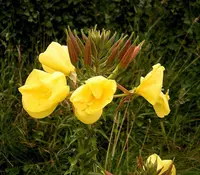
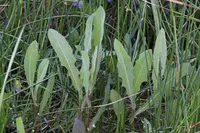
Large-flowered evening-primrose (Oenothera glazioviana) is a short-lived perennial or biennial often grown as a hardy ornamental in sunny beds and naturalistic plantings. It forms upright stems with lance-shaped leaves and large, bright yellow flowers that open in the evening and fade by the next day.

This species is native to South America but is now naturalized in many temperate regions, including parts of North America and Europe. It usually grows easily in poor to moderately fertile, well-drained soils and tolerates dry conditions once established.

Its fast growth, self-seeding habit, and low fertilizer needs make it simple to manage in most gardens. Understanding how to care for Large-flowered Evening-primrose mainly involves providing full sun and avoiding waterlogged soil.

Main Plant Requirements

Care Difficulty

Easy Care

Light Preference

Full Sun

Water Requirements

Moderate Water

Temperature Preference

Cool Climate

Hardiness Zone

4–9

Soil Texture

Sandy, Loamy, Rocky

Soil pH

Acidic (5.5–6.5), Slightly acidic (6.5–7.0)

Soil Drainage

Well-drained

Fertilization

Minimal (feed rarely)

Get Personalized Care Plan

Scan your plant to receive care tips personalized for your specific plant

Available on iOS and Android

How to Care for the Large-flowered Evening-primrose

This sun-loving perennial needs strong light to flower well in most garden settings.

  • Provide 6–8 hours of direct sun daily; morning sun with light afternoon shade helps prevent stress in hot climates.
  • Large-flowered Evening-primrose tolerates light partial shade (around 4–5 hours sun), but flowering and compact growth decrease as shade increases.
  • In summer, watch for leaf scorch or wilting during intense afternoon sun and consider light shade; in cooler seasons, maximize direct exposure.

This species prefers moderately dry conditions and does not tolerate prolonged soggy soil.

  • Allow the top 3–5 cm of soil to dry before watering again; in many climates, this means waiting until foliage looks slightly less turgid but not wilted.
  • Use well-drained, gritty or sandy soil so water runs through quickly, reducing the risk of root rot and yellowing leaves from overwatering.
  • In cooler or rainy seasons, watering is seldom needed beyond natural rainfall, while in hot, dry spells, monitor for drooping stems and water more promptly.

This hardy plant tolerates a wide temperature range but has clear limits for long-term health.

  • Optimal growth occurs around 60–75°F (16–24°C), with strong flowering during warm, bright weather and good air circulation.
  • Established plants usually survive down to about 10–15°F (-12 to -9°C) in well-drained soil, though top growth may die back in winter and re-sprout in spring.
  • Oenothera glazioviana handles dry summer heat up to about 90°F (32°C) if soil is not waterlogged, but young plants can suffer in sudden frosts or extreme cold snaps.

Humidity has little impact on Oenothera glazioviana, which adapts well to typical outdoor conditions in most climates.

This species prefers light, free-draining mineral soils and copes well with relatively low fertility.

  • Use sandy or sandy-loam soil with a loose, crumbly structure to prevent waterlogging.
  • Ensure sharp drainage by blending native soil with coarse sand or fine gravel at about 20–30%.
  • Aim for slightly acidic to neutral pH, roughly 6.0–7.5, which suits most garden soils.
  • Avoid heavy clay, compacted, or peat-heavy mixes unless opened with grit or coarse sand for better aeration.

This species can be grown in containers if the pot is prepared for its deep root system and tall, sometimes top-heavy growth.

  • Choose a deep, heavy container that resists tipping as the tall stems and flowers develop.
  • Use a sharply draining mix, such as 60–70% sandy or gritty material blended with standard potting mix, to reduce water retention around the roots.
  • Position the container where wind is buffered by a wall or other plants to keep tall flowering stems from rocking and loosening the root ball.

This species is adapted to moderately poor soils, so Large-flowered Evening-primrose needs only light, targeted feeding in gardens or containers.

  • Use a balanced, low-strength granular or liquid fertilizer (for example 10-10-10) at 1/2 label rate in spring as growth starts.
  • In lean soils, supplement with a thin layer of compost around the root zone instead of heavy synthetic feeding.
  • Feed every 4–6 weeks during the main growing season if growth looks weak, skipping applications on rich soils.
  • Stop fertilizing in late summer to early fall so plants harden off naturally and enter dormancy without soft, vulnerable growth.

Thoughtful pruning helps Oenothera glazioviana stay tidy and encourages longer flowering.

  • In mid to late summer, deadhead spent flower spikes with clean hand pruners to reduce self-seeding and promote fresh blooms.
  • Remove dead, diseased, or storm-damaged stems at the base whenever noticed to limit pest and disease entry points.
  • In late fall or very early spring, cut back old, woody stems to a low clump to refresh growth and maintain a compact habit.
  • Thin out congested shoots by removing a few stems from the base, which improves air circulation and reduces mildew risk.

This species is more often grown in beds than in containers, so care focuses on occasional transplanting rather than frequent repotting.

  • Transplant in early spring or early fall when temperatures are mild and soil is workable, avoiding hot, dry spells.
  • Move plants only when clumps become crowded, flowering declines, or stems flop due to competition and aging crowns.
  • Lift the clump with a spade, keeping as much root and surrounding soil intact as possible to limit transplant shock.
  • Replant at the same depth in well-drained soil, water thoroughly, then keep evenly moist for 1–2 weeks while roots re-establish.

New plants are most commonly raised from seed, making growing Large-flowered Evening-primrose straightforward for home gardeners.

  • Sow fresh seeds outdoors in fall or very early spring; natural cold exposure breaks dormancy and improves germination.
  • Choose a sunny, well-drained site, and scatter seed thinly on prepared soil, pressing in lightly without deep burial.
  • For indoor starts, sow in trays 6–8 weeks before last frost in a bright spot at 60–70°F, using a light seed mix.
  • Keep the medium just moist, then transplant seedlings carefully once they have several true leaves and outdoor frosts have passed.

This short-lived perennial or biennial is generally hardy in temperate climates and needs minimal winter attention in the ground.

  • Plants tolerate typical frosts once established, especially in well-drained soil that does not remain waterlogged.
  • In colder regions, apply a light 3–5 cm mulch after the ground cools to buffer freeze–thaw cycles around the roots.
  • Container-grown plants benefit from moving to a sheltered, unheated but frost-sheltered spot to prevent root damage from pot freezing.

Care Tips

Pinch For Bushiness

When young plants reach 10–15 cm, pinch out the soft tip of each stem to encourage branching and more flowering shoots instead of one tall, weak stem.

Staggered Succession Sowing

Sow small batches of seed every 2–3 weeks in spring so flowering is spread over a longer season rather than peaking all at once.

Support Tall Spikes

In windy or exposed sites, insert discreet bamboo canes and loosely tie the tallest flowering stems with soft ties to prevent lodging and snapped spikes.

Deadhead With Precision

For longer bloom, remove spent flowers every few days but leave some of the last flowers on the plant to set seed if self-sowing and naturalized drifts are desired.

Encourage Self-Sown Drifts

If growing Large-flowered Evening-primrose as an informal meadow or border plant, leave bare or lightly mulched soil patches nearby so ripe seed can fall, germinate, and create natural-looking colonies.

Common Pests and Diseases

Flea beetles

These insects chew many small round holes in leaves, giving them a shot‑holed or lacy appearance, and can heavily disfigure young rosettes of large-flowered evening-primrose. This pest is especially active in warm, dry weather on plants grown in light, sandy soils.

Solution

Cover young plants with fine insect netting until foliage is tougher, and encourage natural predators by avoiding broad-spectrum insecticides. For existing infestations, shake beetles off into soapy water in the morning and, if needed, use a targeted spinosad or pyrethrin spray directed only at affected foliage and applied in calm weather.

Aphids

These insects cluster on soft shoot tips and flower stems, sucking sap and causing distorted growth and sticky honeydew on buds and leaves. This pest can also attract ants and encourage sooty mold on the sugary deposits.

Solution

Prune off heavily infested shoot tips and rinse remaining colonies off with a firm stream of water. If populations stay high, apply insecticidal soap or a ready-to-use horticultural oil, coating stems and the undersides of leaves, and repeat at 5–7 day intervals as needed while monitoring for beneficial insects such as lady beetles.

Spider mites

This pest leaves fine speckling on leaves, slight bronzing, and very fine webbing between stems during hot, dry periods. Symptoms include reduced vigor and premature leaf drop when infestations are heavy.

Solution

Increase humidity around the plants with regular overhead hosing in the morning and remove badly damaged leaves. For control, thoroughly wash foliage and then use insecticidal soap or a light horticultural oil, ensuring good coverage of leaf undersides, and repeat weekly until new growth appears clean.

Powdery mildew

This disease produces white, powdery patches on upper leaf surfaces, often starting on older foliage and spreading in dense plantings with poor air movement. Symptoms include yellowing and early leaf drop if not managed.

Solution

Improve airflow by thinning crowded stems and avoiding overhead watering late in the day, and remove and dispose of affected leaves. In recurrent cases, apply a sulfur or potassium bicarbonate fungicide labeled for ornamentals at the first sign of white patches, following intervals on the label.

Rust

This disease causes small yellow spots on upper leaf surfaces with corresponding orange to brown pustules on the undersides, which release powdery spores. Symptoms include progressive leaf yellowing and early defoliation if the infection is heavy and repeated over seasons.

Solution

Promptly remove and discard affected leaves, including fallen material, to reduce spore levels around the planting. Space plants to improve air circulation and, where rust recurs, use a labeled ornamental fungicide containing myclobutanil or chlorothalonil applied preventively once conditions become warm and humid.

Interesting Facts

Evening-opening giant flowers

This species produces unusually large yellow flowers, often 5–10 cm across, that open rapidly around dusk and usually fade by the following morning, a strong adaptation to nocturnal pollinators such as moths.

Hybrid garden origin

Although often found naturalized on coasts and waste ground, this plant is not originally wild but arose in European gardens as a hybrid-derived species from South American evening-primroses introduced in the 17th–18th centuries.

Distinctive four-chambered capsule

After flowering, it forms a stiff, elongated seed capsule with four clear chambers, each packed with many small seeds that are readily dispersed by soil disturbance and movement of sand or gravel.

Botan icon

Did you know?

This species played an important role in early 20th-century genetics research because its unusual chromosome behavior and frequent mutation-like changes were used by the botanist Hugo de Vries to develop ideas about how new plant forms arise.

FAQs about Large-flowered Evening-primrose

This species is highly attractive to night-flying moths and also visited by bees and other insects at dawn. Its large, scented, yellow flowers provide abundant nectar and pollen, making it useful for wildlife-friendly and pollinator-supporting gardens.

Grow Healthy Plants with Botan Care

Keep your plants happy and healthy with plant identification, disease detection, and easy care guidance.

Botan plant care app — identify plants on mobile

Explore More Plants