


Label Dormant Pots
Tag each pot with the species name and planting depth before dormancy, since the bulbs disappear completely in summer and are easy to discard or disturb by mistake.

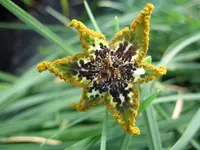
Ferraria crispa, commonly called black flag, is a small, corm-forming perennial from the iris family. It produces intricate, star-shaped flowers with frilled, often dark-spotted petals. Each bloom is short-lived but striking, appearing on slender stems above narrow, sword-like leaves.
In nature, it occurs in winter-rainfall regions of South Africa, where it grows in open, sunny sites with well-drained, often sandy or rocky soils. It can be challenging outside mild, dry-winter climates because it dislikes excess moisture when dormant and needs bright light. Gardeners who learn how to care for black flag usually focus on providing sharp drainage and a rest period after flowering.

Care Difficulty
Moderate Care

Light Preference
Full Sun

Water Requirements
Low Water

Temperature Preference
Tropical / Frost Sensitive

Hardiness Zone
9–11

Soil Texture
Sandy, Loamy, Organic-rich

Soil pH
Acidic (5.5–6.5), Slightly acidic (6.5–7.0)

Soil Drainage
Well-drained

Fertilization
Minimal (feed rarely)
Scan your plant to receive care tips personalized for your specific plant
Available on iOS and Android
Ferraria crispa needs bright, direct sun during its active growing and flowering season.
This bulbous plant prefers a distinct wet growing season and a dry dormant period.
This species prefers mild, dry summers and cool, frost-free winters.
Ferraria crispa prefers moderately dry air and usually does not need special humidity control indoors.
Ferraria crispa needs sharply draining, airy soil that dries quickly around its corms.
This species is well suited to container growing when given excellent drainage and a fast-drying medium.
Ferraria crispa benefits from light, targeted feeding during its active growing season.
Ferraria crispa needs minimal pruning focused on cleanliness rather than shaping.
This bulbous plant prefers infrequent disturbance, so repot or transplant Ferraria crispa only when necessary.
Propagation of Ferraria crispa is typically done by dividing bulbs or sowing seed under controlled conditions.
This species prefers mild, dry winters and needs protection in regions with hard frost.

Plant Health Check
Not sure what's wrong with your plant? Check your plant's health inside the app.
The flowers release a faint smell reminiscent of decaying organic matter, which attracts fly pollinators rather than bees or butterflies.
Each individual flower usually lasts only about 1 day, but the branched inflorescence opens multiple buds in succession so the plant can stay in bloom for several weeks.
In its native winter-rainfall areas of South Africa, this geophyte grows and flowers in the cool, wet season, then survives the hot dry summer as a dormant underground corm.

Ferraria crispa is native to a very restricted range in the winter-rainfall zones of South Africa, which makes it relatively uncommon in cultivation compared with many other ornamental bulbs, and most material in horticulture ultimately traces back to a limited number of wild populations.
Lack of flowers usually comes from insufficient light, bulbs staying too crowded, or the plant not receiving a cool, dry rest after foliage dies back. Adjusting these conditions is essential for successful Ferraria crispa care.
Keep your plants happy and healthy with plant identification, disease detection, and easy care guidance.

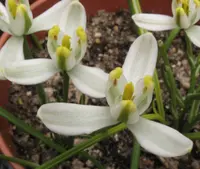
Albuca humilis
Albuca humilis
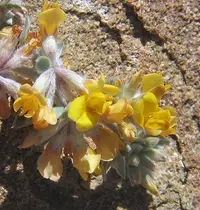
silver bird's-foot trefoil
Acmispon argophyllus
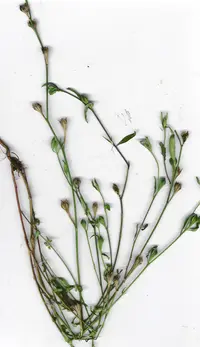
Kunth's evening primrose
Oenothera kunthiana
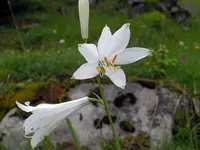
St Bruno's Lily
Paradisea liliastrum
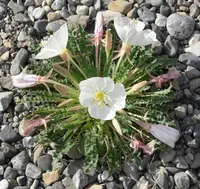
fragrant evening primrose
Oenothera cespitosa
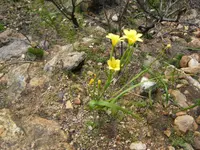
Apricot Tulp
Moraea ochroleuca
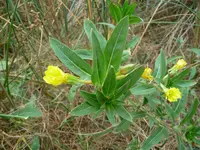
Oakes' evening primrose
Oenothera oakesiana

Persian buttercup
Ranunculus asiaticus