heartleaf keckiella Care (Keckiella cordifolia)

heartleaf keckiella

About heartleaf keckiella

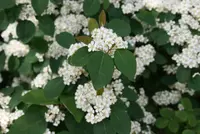
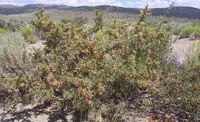
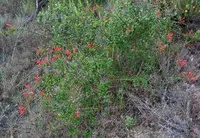
Heartleaf keckiella (Keckiella cordifolia) is a woody, semi-evergreen shrub native to dry slopes and canyons of California and northern Baja California. It belongs to the plantain family and is adapted to Mediterranean-type climates with mild, wet winters and hot, dry summers. This plant has arching stems, heart-shaped leaves, and showy tubular flowers that range from orange to red, attracting hummingbirds and other pollinators. It often scrambles through other shrubs or over rocks in its natural habitat. Once established, heartleaf keckiella is relatively drought-tolerant but appreciates well-drained soil and good sun exposure. Understanding how to care for heartleaf keckiella is easier when its dry, slope-side origins are kept in mind.

Main Plant Requirements

Care Difficulty

Moderate Care

Light Preference

Full Sun

Water Requirements

Low Water

Temperature Preference

Warm Climate

Hardiness Zone

7–10

Soil Texture

Sandy, Loamy, Rocky

Soil pH

Slightly acidic (6.5–7.0), Neutral (7.0)

Soil Drainage

Well-drained

Fertilization

Minimal (feed rarely)

Get Personalized Care Plan

Scan your plant to receive care tips personalized for your specific plant

Available on iOS and Android

How to Care for the heartleaf keckiella

This sun-loving shrub thrives in bright, exposed sites typical of dry slopes and chaparral edges.

  • Provide 6–8 hours of direct sun daily; light afternoon shade in very hot inland areas helps prevent leaf scorch on heartleaf keckiella.
  • Tolerates partial shade (3–4 hours of sun) but flowering and density decrease as shade increases.
  • In summer, avoid reflected heat from walls or paving; in winter, maximize southern exposure to ensure enough light for strong growth the following season.

This drought-adapted shrub prefers deep, infrequent watering once established rather than constant moisture.

  • Water only when the top 5–8 cm of soil are completely dry; in many dry climates this may mean every 10–21 days once Keckiella cordifolia is established.
  • Use fast-draining, gritty soil on slopes or mounds to prevent standing water, root rot, and yellowing leaves from overwatering.
  • In the first growing season, water more often during heat waves, then reduce frequency the next year; limp, dull foliage signals thirst, while blackened or mushy roots indicate excess moisture.

This species is adapted to warm, dry climates with mild winters and can handle significant summer heat once established.

  • Best growth occurs around 65–85°F (18–29°C), with good flowering and sturdy stems in typical Mediterranean-type conditions.
  • Mature plants usually tolerate down to about 15–20°F (-9 to -6°C); young plants are more vulnerable and may need protection during hard frost.
  • Handles dry heat up to 95–100°F (35–38°C) if roots are established and soil drains well; extended freezes or repeated frost-thaw cycles can damage stems and reduce long-term vigor.

Humidity is not a major factor for Keckiella cordifolia, which thrives in dry outdoor air.

Keckiella cordifolia prefers fast-draining, slightly lean soil that mimics its native dry slopes.

  • Use a sandy or gravelly loam with plenty of mineral content and minimal heavy peat or clay.
  • Aim for slightly acidic to neutral pH around 6.0–7.0 for stable nutrient availability.
  • Blend native soil with coarse sand, fine gravel, and a small amount of compost to boost structure without waterlogging.
  • Avoid compacted or poorly drained sites; loosen planting zones to improve aeration and rapid drainage.

This species can be grown in containers outdoors if drainage and stability are carefully managed.

  • Select a deep, heavy container that resists tipping as stems lengthen and become top-heavy.
  • Use a very fast-draining mix, such as cactus soil blended with extra coarse sand or fine gravel.
  • Raise the pot on feet or bricks so drainage holes stay clear and water exits quickly after irrigation.

This drought-tolerant California native usually needs minimal feeding in the ground, but light nutrition can support growth in poor soils or containers.

  • Use a thin layer of compost or a low-dose, balanced NPK granular fertilizer once in early spring for heartleaf keckiella.
  • For containers, apply a slow-release balanced fertilizer at 1/2 label strength at the start of the growing season.
  • Avoid summer overfeeding; excess nitrogen reduces flowering and increases weak, leafy growth.
  • Stop feeding in late summer so new growth hardens before winter and the plant enters dormancy cleanly.

Keckiella cordifolia responds well to light structural pruning that maintains a tidy, flowering shrub.

  • Prune in late winter or very early spring before strong new growth starts.
  • Remove dead, damaged, or crossing stems first, cutting back to healthy wood with clean, sharp bypass pruners.
  • Thin crowded interior shoots to improve air flow and light penetration, which supports better flowering.
  • Shorten overly long stems by up to 1/3 to control size and keep the plant bushy.

This shrub is typically grown in the ground; focus on careful transplanting rather than frequent repotting.

  • Transplant in late fall or early spring when temperatures are mild and the plant is less active.
  • Look for signs like roots circling a nursery pot, water running off quickly, or stalled top growth before moving it.
  • Choose a sunny site with well-drained soil, set the root ball at the same depth, and water deeply after planting.
  • Reduce root stress by handling the root ball gently, loosening only the outer roots, and shading the plant for 3–5 days if weather is hot.

New plants are most often raised from semi-ripe cuttings or seed under suitable outdoor conditions.

  • Take 7–10 cm semi-ripe stem cuttings in late spring or early summer, choosing non-flowering shoots.
  • Remove lower leaves, dip the base in rooting hormone, and place in a sharply drained, moist but not wet medium.
  • Keep cuttings in bright shade with good air flow and moderate humidity until roots form.
  • Sow fresh seed in autumn in a gritty mix outdoors, allowing natural winter chill to improve germination in spring.

Established plants are generally cold hardy in mild, frost-prone climates and need only modest winter attention.

  • Tolerates light frost but may suffer damage in prolonged freezes below roughly 20–25°F, especially when young.
  • Apply a 5–8 cm mulch layer around the root zone in late fall, keeping it clear of stems.
  • In colder regions, grow in containers and move to a sheltered, unheated space that stays above hard-freeze temperatures.

Care Tips

Slope-side planting

Plant on a slight slope or raised berm in heavy soils so water drains quickly away from the crown, which greatly reduces crown rot risk when growing heartleaf keckiella in wetter climates.

Early-years staking

Provide 1–2 discreet stakes or a low shrub framework during the first 1–2 years in windy sites so young stems harden upright instead of snapping or leaning downslope.

Summer bloom grooming

Lightly deadhead spent flower spikes during peak bloom by snapping or cutting them just above a leafy node to encourage a tidier plant and prolong flowering without heavy pruning.

Targeted renewal pruning

Every 2–3 years, remove 1–3 of the oldest, woodiest stems right at the base in late winter to keep the shrub open, reduce internal shading, and stimulate vigorous new flowering growth.

Fire-smart spacing

In fire-prone areas, maintain a clear, nonflammable mulch zone of 60–90 cm around the plant and avoid letting it mingle directly with dense woody shrubs, which improves defensible space while still caring for heartleaf keckiella as a habitat plant.

Common Pests and Diseases

Aphids

These insects cluster on new shoots and flower spikes, sucking sap and causing distorted growth and sticky honeydew on leaves and stems.

Solution

Prune off heavily infested shoot tips, then wash remaining stems thoroughly with a strong but controlled stream of water every few days; if needed, apply an insecticidal soap or neem oil spray directed at the undersides of leaves and young stems, and encourage natural predators by avoiding broad-spectrum insecticides nearby.

Spider mites

This pest thrives on keckiella foliage during hot, dry conditions, leading to stippled, dull leaves and very fine webbing between stems and leaves.

Solution

Increase humidity around the plant with occasional overhead rinsing, hose down foliage regularly to physically remove mites, and use a horticultural oil or insecticidal soap labeled for mites if populations stay high, making sure to cover the undersides of leaves and repeat as directed.

Leafhoppers

These insects feed on leaves and young stems, causing pale speckling, yellowing patches, and occasional curling or browning at the edges, and they can also spread leaf scorch pathogens between plants.

Solution

Reduce grassy or weedy cover around plant bases, use a firm spray of water to dislodge nymphs from stems, and apply an insecticidal soap or pyrethrin-based product in the evening when leafhoppers are less active, taking care to protect nearby pollinators by avoiding open flowers.

Powdery mildew

This disease appears as white, dusty patches on leaves and young stems, which can lead to leaf yellowing, distortion, and early drop under prolonged stress.

Solution

Improve air circulation by thinning crowded stems and avoiding overhead watering in the evening, remove and discard affected leaves, and apply a sulfur, potassium bicarbonate, or neem-based fungicide at the first sign of infection, repeating according to label directions during extended warm, dry periods.

Verticillium wilt

Symptoms include sudden wilting and yellowing of one side or section of the plant, with leaves browning and dying back while soil remains adequately moist due to this soilborne fungus blocking water movement in the stems.

Solution

Remove and dispose of severely affected branches, avoid replanting other susceptible shrubs in the same spot, keep the plant moderately watered but never overwatered to reduce stress, and in sites with recurring problems, grow Keckiella cordifolia in raised beds or containers with clean, well-draining soil to limit exposure.

Interesting Facts

Hummingbird specialist

The tubular, bright orange to red flowers are shaped and oriented to favor pollination by hummingbirds, which can easily access the nectar while larger insect visitors are less efficient.

Fire-following shrub

In its native chaparral and coastal scrub habitats, this species often resprouts from its woody base after wildfires, taking advantage of increased light and reduced competition.

Snapdragon family relative

This plant was once classified in the genus Penstemon and still shows similar bilabiate, or two-lipped, flowers that help guide pollinators toward the reproductive structures.

Botan icon

Did you know?

This species acts as a larval host and nectar source for several native California butterflies and moths, making it an important structural and nutritional component of local pollinator networks in chaparral ecosystems.

FAQs about heartleaf keckiella

This shrub is highly attractive to hummingbirds, native bees, and some butterflies. Tubular orange-red flowers provide rich nectar, especially in late spring and summer, supporting local pollinator populations in dry, rocky or chaparral-style gardens.

Grow Healthy Plants with Botan Care

Keep your plants happy and healthy with plant identification, disease detection, and easy care guidance.

Botan plant care app — identify plants on mobile

Explore More Plants