beach plum Care (Prunus maritima)

beach plum

About beach plum

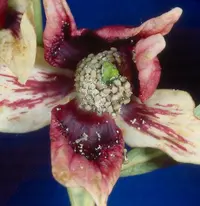
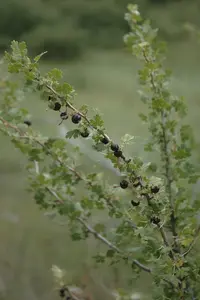
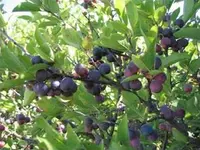
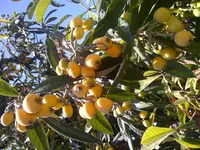
Beach plum, Prunus maritima, is a small, deciduous shrub native to sandy coastal dunes and shorelines of the northeastern United States. It naturally forms dense, multi-stem thickets with oval leaves, white spring blossoms, and small, firm plums that ripen in late summer.

This species is adapted to harsh, windy, salt-exposed sites and poor, sandy soils, which makes it relatively tough once established. It can be slower and more demanding in richer garden settings that stay wet or shaded. For those who want to learn how to care for beach plum, it generally prefers full sun, good drainage, and evenly moist but not waterlogged soil.

Main Plant Requirements

Care Difficulty

Moderate Care

Light Preference

Full Sun

Water Requirements

Low Water

Temperature Preference

Cold Hardy

Hardiness Zone

3–8

Soil Texture

Sandy, Loamy, Rocky

Soil pH

Acidic (5.5–6.5), Slightly acidic (6.5–7.0)

Soil Drainage

Well-drained

Fertilization

Minimal (feed rarely)

Get Personalized Care Plan

Scan your plant to receive care tips personalized for your specific plant

Available on iOS and Android

How to Care for the beach plum

This coastal shrub prefers strong light and thrives best in open, exposed sites.

  • Provide full sun for 6–8 hours daily; beach plum fruits and flowers best with unobstructed exposure.
  • Tolerates light partial shade, especially brief afternoon shade, but too much shade leads to lanky growth and fewer flowers.
  • In hot inland summers, protect young plants from intense late-afternoon sun to reduce leaf scorch, while ensuring they still receive bright morning to midday sun.

This species is drought-tolerant once established but benefits from thoughtful watering in its first years.

  • For newly planted shrubs, water when the top 5–8 cm of soil are dry, then soak deeply so moisture reaches the main root zone.
  • Use very well-drained, sandy or loamy soil; persistent puddling, sour smell, or yellowing soft leaves indicate overwatering and poor drainage.
  • Mature Prunus maritima usually needs extra water only during prolonged dry spells, shown by drooping leaves and dry, crumbly soil around the root area.

This hardy shrub is adapted to coastal climates with cool to warm summers and cold winters.

  • Optimal growing temperatures are about 60–80°F (16–27°C), with good flowering and fruit set in areas with distinct seasons.
  • Dormant plants tolerate winter lows near 0°F (−18°C) when established, though young plants benefit from mulch in colder exposures.
  • Handles summer heat up to about 90°F (32°C) if soil is not waterlogged; extended extreme heat or warm winters can reduce flowering and overall vigor.

This coastal shrub is adapted to low atmospheric humidity and usually does not need humidity management.

This species prefers very well‑drained, sandy soils and tolerates low fertility.

  • Use a sandy or sandy‑loam mix with at least 50–70% coarse sand or grit to mimic native dunes.
  • Ensure rapid drainage by avoiding heavy clay; add perlite or small gravel to loosen compacted ground.
  • Aim for slightly acidic to neutral pH, around 6.0–7.0, which supports nutrient uptake for Prunus maritima.
  • Avoid low‑lying, waterlogged, or consistently irrigated spots where the root zone stays wet for long periods.

This shrub can be grown in containers for several years if the pot is chosen and managed carefully.

  • Choose a deep, wide, heavier pot (e.g., clay or concrete) to stabilize the shrub against wind and spreading growth.
  • Use a very fast‑draining mix made from coarse sand and a small portion of compost to prevent prolonged root wetness.
  • Raise the container on pot feet or bricks so drainage holes stay clear and excess water exits quickly after rain or irrigation.

This coastal shrub is adapted to lean soils, so use light fertilization to support fruiting rather than rapid growth.

  • Apply a balanced slow-release fertilizer (around 10-10-10) at half strength once in early spring as new growth starts.
  • Supplement with a thin layer of compost around the drip line to improve soil structure and micronutrients.
  • Avoid midsummer and late-season feeding, which can trigger tender growth before frost.
  • Do not fertilize beach plum during winter dormancy unless a soil test shows a clear deficiency.

Prunus maritima responds well to modest structural pruning that maintains an open, healthy shrub.

  • Schedule main pruning in late winter to very early spring, before buds break.
  • Remove dead, diseased, crossing, or storm-damaged wood with clean, sharp bypass pruners or loppers.
  • Thin crowded interior branches to increase light and air, reducing fungal disease risk.
  • Shorten overly long shoots to shape the plant and keep fruit within easy reach.

This species is usually grown in the ground; focus on careful transplanting of young plants rather than frequent repotting.

  • Transplant in early spring or early fall when temperatures are mild and soil is workable.
  • Move plants when roots circle the pot, growth slows, or the shrub dries out very quickly after watering.
  • Shift to a container or planting hole only 1–2 sizes larger, using well-drained sandy or loamy soil.
  • Water deeply after transplanting, then keep soil evenly moist for several weeks to limit root stress.

Prunus maritima is commonly propagated by seed and hardwood cuttings for restoration and edible landscaping uses.

  • Collect ripe fruits in late summer; clean and cold-stratify seeds in moist medium at 34–41°F for 2–3 months.
  • Sow stratified seeds in a well-drained, sandy mix and keep slightly moist until germination.
  • Take hardwood cuttings in late fall to winter, treating the base with rooting hormone and placing in free-draining medium.
  • Provide cool, bright, frost-free conditions and consistent moisture while cuttings root.

This shrub is naturally cold hardy in coastal climates and usually needs minimal winter care once established.

  • In colder inland sites, apply a 5–8 cm mulch layer over the root zone after soil cools, keeping it away from stems.
  • Avoid late-season nitrogen feeding, which can leave shoots vulnerable to freeze damage.
  • For container plants, move pots to a sheltered, unheated but frost-moderated spot to prevent root freezing.

Care Tips

Salt-wind management

Plant on the windward side of a low fence or shrub hedge so the beach plum still gets full sun but the foliage is buffered from the very strongest salt-laden gusts, reducing leaf burn and dieback in exposed coastal sites.

Deep root encouragement

In the first 2–3 years, use a soaker hose set to run infrequently but for longer sessions to wet the soil 20–30 cm deep, training the plant to form a deep, drought-resilient root system rather than shallow surface roots.

Sucker selection

Each spring, thin out basal suckers and keep only 2–4 well-spaced shoots, using them to renew the shrub over time and maintain an open structure that fruits reliably.

Fruit-load control

On young plants, remove some developing fruit clusters by hand after natural June drop so branches are not overburdened and can invest more energy into strong structural growth.

Targeted bird protection

When berries begin to color, drape lightweight bird netting over a simple stake frame rather than directly onto branches, which protects the crop while preventing rubbing damage to twigs and leaves during wind, an important step when growing beach plum for harvest.

Common Pests and Diseases

Black knot

This disease causes dark, corky swellings that enlarge into hard black galls along twigs and branches, which can stunt growth and reduce fruiting.

Solution

Prune out infected twigs and branches at least 15–20 cm below visible galls during dry weather, disinfecting tools between cuts, and destroy all removed material; in areas with a history of black knot, use preventive fungicide sprays labeled for stone fruits at bud swell and again after petal fall, and keep nearby wild Prunus species pruned or removed to reduce spore sources.

Brown rot

This disease affects blossoms and fruit, causing blossom blight, fruit rot, and tan spore masses on shriveled fruits that may remain mummified on the plant.

Solution

Remove and dispose of all mummified fruit and blighted twigs, thin fruit to improve airflow, and avoid overhead irrigation during bloom and fruit ripening; in regions where brown rot is common, apply a registered fungicide during bloom and again shortly before harvest according to label directions as part of broader Prunus maritima care instructions.

Plum curculio

This pest is a small beetle whose larvae tunnel inside developing fruit, causing crescent-shaped egg-laying scars, internal feeding damage, and premature fruit drop.

Solution

Collect and destroy dropped fruit weekly during early summer, use trunk banding or shaking branches over a sheet to capture adults, and, where infestations are persistent, apply targeted insecticides at petal fall and shuck split following local extension service timing guidelines while maintaining clean ground under plants to reduce overwintering sites.

Peach twig borer

This insect pest bores into tender shoots and, less often, fruit, leading to wilting shoot tips and dieback that can reduce flowering and fruiting over time.

Solution

Prune and destroy wilted shoot tips that contain larvae during the growing season, remove and destroy overwintering twig shelters during winter pruning, and, if needed, use targeted treatments such as Bacillus thuringiensis (Bt) or other selective products timed to egg hatch based on local monitoring or degree-day models.

Shot hole disease

This disease produces small purple or brown leaf spots that dry out and fall away, leaving clean round holes, sometimes accompanied by minor twig lesions and early leaf drop.

Solution

Rake and discard fallen leaves, avoid overhead watering, and improve air circulation by spacing and pruning; in sites with recurring problems, apply a copper or other labeled fungicide at leaf fall and again at bud break to protect new foliage, and maintain balanced nutrition to support leaf health.

Interesting Facts

Natural dune stabilizer

This coastal shrub forms deep, spreading roots that help anchor loose sand and stabilize Atlantic Ocean dunes, making it important for protecting shorelines from erosion.

High salt tolerance

It tolerates salt spray, sandy nutrient-poor soils, and occasional sand burial, an adaptation that allows it to thrive where many other woody plants cannot survive.

Support for coastal wildlife

The dense thickets provide nesting cover for shorebirds and small mammals, while the late-summer fruits are an important food source for migratory birds and other wildlife along the Atlantic coast.

Botan icon

Did you know?

This species was part of early plant breeding work in the northeastern United States, where its naturally flavorful, tannin-rich fruits were selected and crossed to create improved beach plum cultivars for jam, jelly, and small-scale commercial fruit production.

FAQs about beach plum

Poor flowering often comes from too much shade, excessive nitrogen fertilizer, or very heavy pruning of 1–2-year-old wood where flower buds form. Ensure good light, avoid high-nitrogen lawn fertilizer nearby, and prune lightly after fruiting.

Grow Healthy Plants with Botan Care

Keep your plants happy and healthy with plant identification, disease detection, and easy care guidance.

Botan plant care app — identify plants on mobile

Explore More Plants