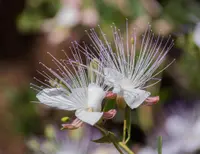
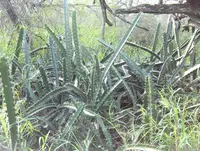
twistspine pricklypear Care (Opuntia macrorhiza)

Also known as: Plains Pricklypear, Grassland Pricklypear, Plains Twistspine Pricklypear, prairie pricklypear, Western Prickly Pear, Bigroot Pricky Pear
twistspine pricklypear

About twistspine pricklypear

Twistspine pricklypear (Opuntia macrorhiza) is a low-growing, clump-forming cactus native to central North America, often found in dry grasslands and rocky slopes. It spreads by pads that root along the ground, creating wide, sprawling mats.

The plant has flattened blue-green pads with sharp spines that may twist slightly, yellow flowers in late spring, and dry, often spiny fruits. It is generally tough and drought tolerant, but needs very sharp drainage and plenty of light. For most home growers, understanding how to care for twistspine pricklypear starts with providing strong sun, minimal watering, and gritty, fast-draining soil.

Main Plant Requirements

Care Difficulty

Easy Care

Light Preference

Full Sun

Water Requirements

Low Water

Temperature Preference

Cold Hardy

Hardiness Zone

3–9

Soil Texture

Sandy, Loamy, Rocky

Soil pH

Slightly acidic (6.5–7.0), Slightly alkaline (7.0–7.5)

Soil Drainage

Well-drained

Fertilization

Minimal (feed rarely)

Get Personalized Care Plan

Scan your plant to receive care tips personalized for your specific plant

Available on iOS and Android

How to Care for the twistspine pricklypear

This hardy cactus thrives in strong sun but benefits from gradual acclimation outdoors.

  • Provide 6–10 hours of direct sun daily; full sun is ideal for compact pads and abundant blooms.
  • Accepts light partial shade, especially with morning sun and light afternoon shade in very hot regions to limit pad scorching.
  • In winter, lower sun angles are usually sufficient, but long-term deep shade causes weak, elongated growth and poor flowering in twistspine pricklypear.

This species is highly drought tolerant and prefers infrequent, deep watering.

  • Outdoors in well-drained soil, water only when the top 5–8 cm are completely dry; in arid climates this may mean several weeks between soakings.
  • Reduce watering sharply in fall and winter, giving just enough to prevent severe pad shriveling when growth is slow or dormant.
  • Signs of overwatering in Opuntia macrorhiza include soft, yellowing pads and blackened bases; improve drainage and allow soil to dry fully.

This cold-hardy cactus tolerates a wide temperature range when kept dry in winter.

  • Best active growth occurs around 70–90°F (21–32°C), with warm days and cooler nights improving pad firmness and flowering.
  • Mature plants can survive brief drops to about 0°F (-18°C) in dry, fast-draining soil, but extended wet cold greatly increases rot risk.
  • Handles summer heat up to 100–105°F (38–41°C) if soil drains quickly; avoid reflected heat against walls that can overheat pads.

Humidity is not a major factor for Opuntia macrorhiza, which thrives in dry air.

Opuntia macrorhiza prefers very fast-draining, mineral-based soil that dries quickly between waterings.

  • Use a gritty mix of roughly 50–70% mineral material (coarse sand, pumice, or small gravel) with 30–50% cactus potting mix.
  • Ensure the soil is loose, open-structured, and never compacts; this prevents oxygen loss around the roots.
  • Aim for slightly acidic to neutral pH, around 6.0–7.2, avoiding strongly acidic or alkaline substrates.
  • Avoid fine, peat-heavy, or clayey soils, which hold water and strongly increase the risk of root rot.

This species is well suited to container growing in sunny, dry locations.

  • Choose a wide, shallow pot to accommodate spreading pads and shallow roots, which stabilizes the plant and reduces tipping risk.
  • Select unglazed terracotta if possible, since its porous walls allow faster evaporation and keep the root zone drier.
  • Elevate the pot on feet or pot risers so drainage holes stay clear and water cannot collect under the container, especially outdoors.

This drought-adapted cactus needs only light feeding, especially when grown in lean, native soils.

  • Use a low-dose, balanced NPK cactus fertilizer or very thin compost tea for container-grown twistspine pricklypear.
  • Feed once in late spring and once in mid-summer during active growth; skip feeding in poor, rocky ground outdoors.
  • Dilute liquid fertilizer to 1/4–1/2 strength to avoid salt buildup in the soil.
  • Stop fertilizing in fall and winter to allow full dormancy and reduce soft, frost-prone growth.

Pruning Opuntia macrorhiza is mainly for safety, shape control, and plant health rather than vigor.

  • Best time is late spring to early summer, after frost risk has passed and growth is active.
  • Remove dead, shriveled, storm-damaged, or diseased pads using long-handled, sharp pruners or a clean knife.
  • Thin crowded pads at the base to improve air flow, reduce rot risk, and manage spread.
  • Cut at pad joints, making clean cuts; avoid tearing tissue and discard or root removed pads promptly.

This species is usually grown in the ground, with transplanting only when space, light, or drainage become unsuitable.

  • Transplant in late spring once soil has warmed; avoid moving plants during winter dormancy or intense summer heat.
  • Look for slow growth, pads leaning excessively, or dense roots circling a container drainage hole as repotting signals.
  • Plan to repot container plants every 3–4 years into a wider, shallow pot with very gritty, fast-draining cactus mix.
  • Wear thick gloves, keep as much dry root ball intact as possible, and water lightly after moving to limit root stress.

Propagation is commonly done from pads, with seed used mainly for restoration or breeding work.

  • Take healthy pads in late spring or early summer, using sterilized, sharp pruners to remove them at the joint.
  • Air-dry pads 5–10 days until the cut end calluses, which helps prevent rot after planting.
  • Set callused pads upright in gritty, barely moist cactus mix and keep in bright, indirect light until rooted.
  • Seeds need warm temperatures, bright light, and well-draining soil; germination may be slow and uneven.

This cactus is quite cold hardy, but site and soil conditions determine how much winter attention it needs.

  • In the ground, well-established plants in fast-draining soil tolerate freezes and light snow with little extra care.
  • Apply a thin gravel or coarse sand mulch around the crown to keep pads off wet winter soil.
  • For containers in cold climates, move pots to an unheated, bright, frost-free area and keep soil almost dry.
  • Avoid overhead watering in winter so pads stay dry, reducing risk of cold-related rot and tissue damage.

Care Tips

Encourage Low Clumping

Plant pads slightly angled and shallow, then mound gritty soil or gravel around the base so new pads root horizontally and form a stable, low clump instead of tall, top-heavy growth.

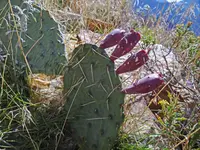
Use Mineral Mulch

Apply a 2–5 cm layer of coarse gravel or small rocks around the plant to keep pads dry at the base, reduce soil splash that can cause rot, and mimic its natural rocky habitat.

Winter Wet Protection

In regions with cold, wet winters, set up a simple clear plastic or polycarbonate rain shield over the plant from late fall to early spring to keep the crown dry while still allowing light and airflow.

Safe Pad Handling

Handle pads only with thick tongs or folded newspaper and place them on a tray when moving or replanting, which protects both skin and pads from damage during caring for twistspine pricklypear.

Rooting Spare Pads

If a pad breaks off, let the cut end dry and callus for 5–10 days in a shaded, airy spot, then press it just 1–2 cm into dry, sandy soil and wait to water until new roots or tiny pads appear.

Common Pests and Diseases

Cochineal scale

This pest appears as white, cottony tufts on pads and can cause yellowing, weakened growth, and sticky patches from sap loss.

Solution

Remove heavily infested pads and discard them. For remaining pads, spray or wipe the patches thoroughly with a strong jet of water, then treat the plant with a 70% isopropyl alcohol spray or insecticidal soap, repeating weekly until no new tufts appear and ensuring good sun and airflow around the cactus.

Cactus mealybugs

These insects hide in pad joints and root areas, forming fluffy white clusters that stunt growth and cause shriveling from sap feeding.

Solution

Inspect pad joints and the base of the plant, then dab visible mealybugs with cotton swabs dipped in 70% isopropyl alcohol and remove badly infested pads. Allow soil to dry well between waterings, and use a systemic insecticide labeled for cacti if infestations keep returning.

Cactus longhorn beetle

This pest chews large irregular wounds and lays eggs in pads or crowns, and larvae can tunnel inside, causing collapse of segments.

Solution

Hand-pick adult beetles at dusk and destroy them, removing and discarding any tunneled or collapsing pads. In outdoor plantings, maintain dry, open, sunny conditions, avoid thick mulch at the base, and physically barrier young plants if beetles are common in the area to support long-term Opuntia macrorhiza care.

Phyllosticta pad spot

This disease causes round, sunken, tan to dark-brown lesions on pads, often with a darker border, and can lead to scabby, corky tissue over time.

Solution

Prune and discard affected pads with a clean, sharp knife, keeping cuts dry and off the soil. Improve air movement, keep overhead watering off the pads, and apply a copper-based fungicide labeled for cacti if new spots continue to develop in warm, humid weather.

Bacterial soft rot

This disease leads to soft, water-soaked, foul-smelling areas on pads that quickly turn dark and mushy, often spreading from wounds or freeze damage.

Solution

Cut out all soft, discolored tissue well into firm, healthy pad and discard the removed parts, sterilizing tools between cuts. Keep the plant in a dry, sunny, well-ventilated spot, avoid splashing water on pads or injuring them, and if rot is extensive, salvage only firm, uninfected segments as new cuttings and destroy the rest.

Interesting Facts

Rocky outcrop specialist

This cactus is especially associated with dry, rocky grasslands and sandstone or limestone outcrops in the central United States, where its shallow but spreading roots anchor into thin, stony soils that many other plants cannot tolerate.

Cold-tolerant cactus

Unlike many desert cacti, this species is notably hardy and survives winter freezes in parts of the Great Plains and Midwest, with its pads shriveling and flattening in winter as a physiological response to cold and drought.

Clonal patch formation

It often spreads vegetatively when detached pads root where they fall, gradually forming low, sprawling colonies that stabilize soil and create small habitat patches for invertebrates and small vertebrates.

Botan icon

Did you know?

This species is one of the few native North American cacti that naturally occur as far north as South Dakota and Nebraska, illustrating how Opuntia macrorhiza care traits such as cold hardiness and drought tolerance evolved for life in temperate prairie climates rather than hot deserts.

FAQs about twistspine pricklypear

This species spreads slowly by pads and short underground stems. It forms low patches over time but is not usually aggressive. Regularly removing unwanted pads keeps clumps contained in smaller beds or rock gardens.

Grow Healthy Plants with Botan Care

Keep your plants happy and healthy with plant identification, disease detection, and easy care guidance.

Botan plant care app — identify plants on mobile

Explore More Plants