


Vertical support training
Install a sturdy stake or cactus frame when the plant is still young, then loosely tie the stems with soft horticultural tape so the tall, heavy columns do not lean or snap as they gain height.

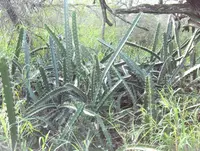
Triangle cactus, Acanthocereus tetragonus, is a columnar cactus known for its upright, three- to five-angled green stems and occasional branching into candelabra shapes. It is often grown as a houseplant when young, then can reach impressive heights in warm outdoor climates.
This species is native to tropical and subtropical regions of the Americas, where it grows in sunny, arid to semi-arid habitats. Its drought tolerance and relatively slow growth make it manageable for containers and small spaces.
The plant prefers bright light, free-draining soil, and infrequent watering, which suits owners who want a low-maintenance cactus. Understanding how to care for Triangle cactus mainly involves avoiding excess water and providing strong light.

Care Difficulty
Easy Care

Light Preference
Full Sun

Water Requirements
Low Water

Temperature Preference
Tropical / Frost Sensitive

Hardiness Zone
10–11

Soil Texture
Sandy, Loamy, Rocky

Soil pH
Acidic (5.5–6.5), Slightly acidic (6.5–7.0)

Soil Drainage
Well-drained

Fertilization
Minimal (feed rarely)
Scan your plant to receive care tips personalized for your specific plant
Available on iOS and Android
This species prefers strong light and thrives with bright, mostly direct sun.
This cactus is drought-tolerant and needs infrequent, deep watering.
This plant prefers warm, arid conditions with protection from frost.
This cactus handles typical indoor humidity well and rarely needs special humidity management.
Use a very fast-draining, mineral-heavy mix to keep roots of Acanthocereus tetragonus dry between waterings.
This species is well suited to container culture when the pot supports its tall, sometimes top-heavy growth.
This cactus benefits from light, targeted feeding during the warm growing season.
Pruning Acanthocereus tetragonus is mainly corrective, guiding safe size and shape rather than stimulating heavy regrowth.
Container-grown plants need only infrequent repotting, as this cactus prefers slightly tight quarters.
This species is commonly propagated from stem cuttings, with seeds used mainly for larger-scale growing.
Cold sensitivity means this cactus needs thoughtful winter management in most temperate climates.

Plant Health Check
Not sure what's wrong with your plant? Check your plant's health inside the app.
This cactus forms sharply 3–5-angled stems, which increase mechanical stability and help reduce direct sun exposure on each surface in its native coastal and scrub habitats.
Its large white flowers open at night and are pollinated mainly by moths, an adaptation that avoids daytime heat and reduces water loss from delicate floral tissues.
In the wild it often grows near sea level along Caribbean and Gulf coasts, showing notable tolerance to salty winds and sandy, low-organic soils compared with many other cacti.

In parts of its native range, dense thickets of Acanthocereus tetragonus function as living fences, where the tall, rigid, spiny stems form an effective barrier that can persist for many years with minimal maintenance.
This species is relatively fast for a cactus, often adding 10–30 cm of height per year in warm, bright conditions. Growth slows with cool temperatures, low light, small containers, or nutrient-poor soil, and increases when those limits are removed.
Keep your plants happy and healthy with plant identification, disease detection, and easy care guidance.

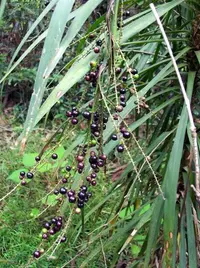
Slender Palm Lily
Cordyline stricta
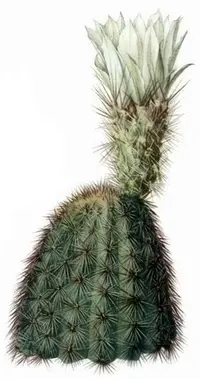
San Esteban hedgehog
Echinocereus grandis
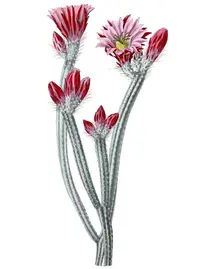
dahlia hedgehog cactus
Echinocereus poselgeri
 POPULAR
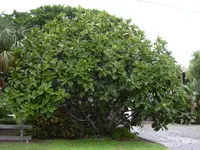
Fiddleleaf Fig
Ficus lyrata
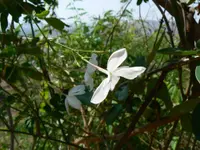
Common jasmine
Jasminum officinale
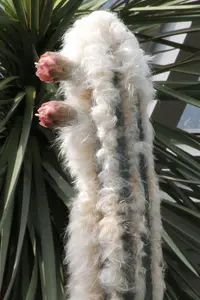
woolly torch
Pilosocereus leucocephalus

Upright Elephant Ear
Alocasia macrorrhizos 'Stingray'
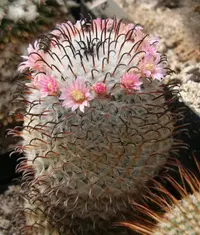
Mammillaria perezdelarosae
Mammillaria perezdelarosae