Slender Palm Lily Care (Cordyline stricta)

Slender Palm Lily

About Slender Palm Lily

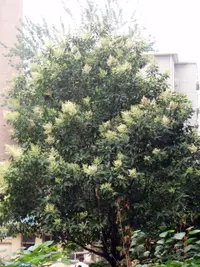
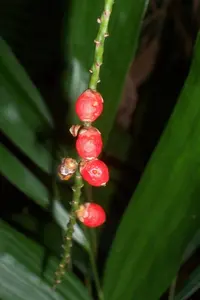
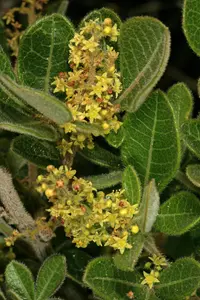
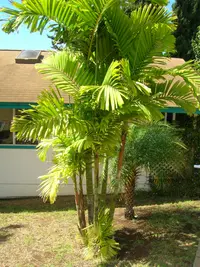
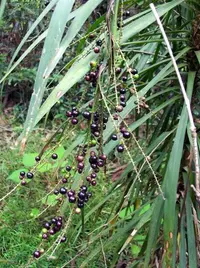
Slender palm lily (Cordyline stricta) is a narrow-leaved shrub from the rainforests and coastal areas of eastern Australia. It is grown mainly for its upright, cane-like stems and slender, glossy foliage. Plants usually form tall, graceful clumps and may produce airy sprays of small, pale purple to white flowers, followed by decorative berries in suitable conditions. It suits modern interiors and sheltered outdoor spaces where a vertical accent is needed. The species is considered moderately easy to grow when provided with bright, indirect light, regular moisture, and a free-draining potting mix, so learning how to care for Slender Palm Lily is straightforward for most growers.

Main Plant Requirements

Care Difficulty

Moderate Care

Light Preference

Partial Shade

Water Requirements

Moderate Water

Temperature Preference

Warm Climate

Hardiness Zone

10–11

Soil Texture

Sandy, Loamy, Organic-rich

Soil pH

Acidic (5.5–6.5), Slightly acidic (6.5–7.0)

Soil Drainage

Moist but well-drained

Fertilization

Light (every 4–6 weeks)

Get Personalized Care Plan

Scan your plant to receive care tips personalized for your specific plant

Available on iOS and Android

How to Care for the Slender Palm Lily

Cordyline stricta prefers bright, indirect light with some gentle direct sun.

  • Provide 3–5 hours of morning sun or late-afternoon sun, with filtered or dappled light during the strongest midday hours.
  • Tolerates partial shade, but in deep shade growth becomes sparse, stems stretch, and foliage loses color intensity over time in Slender Palm Lily.
  • In hot summers, protect from harsh afternoon sun to prevent leaf scorch; in darker seasons, move it to a brighter position or thin overhead cover to maintain vigor.

Cordyline stricta prefers evenly moist but not saturated soil.

  • Water when the top 3–5 cm of soil feels dry, allowing deeper soil to stay slightly moist while avoiding a constantly soggy root zone.
  • Use well-drained soil and ensure excess water can escape; wilting with wet soil, yellowing lower leaves, or a sour smell indicate overwatering and possible root issues.
  • In spring and summer, expect more frequent watering, while in cooler seasons let the soil dry a bit deeper and watch for curling, dry leaf tips as a sign of underwatering.

This species grows best in mild, frost-free conditions with stable temperatures.

  • Aim for 65–80°F (18–27°C) for active growth, with good airflow but no strong, drying winds around the foliage.
  • Cordyline stricta tolerates brief dips to about 35–40°F (2–4°C), but foliage can be damaged near freezing, so protect it from frost exposure.
  • In hot regions, it copes with short periods up to 90–95°F (32–35°C) if soil moisture is maintained and the plant is shielded from extreme reflected heat.

This species prefers moderate humidity and adapts well to typical indoor air if extremes are avoided.

  • Aim for 40–60% humidity; very dry heated rooms can cause leaf-tip browning over time.
  • Tolerates short dry spells, but persistent humidity below 30% may lead to curling leaves and crispy margins.
  • Increase humidity by grouping plants, placing the pot on a pebble tray with water, or running a nearby humidifier.

Cordyline stricta grows best in a loose, well-aerated mix that drains freely but does not dry out instantly.

  • Use a mix of 50–60% peat- or coco-based potting mix, 20–30% compost, and 20–30% perlite or fine bark for structure and drainage.
  • Target slightly acidic to neutral pH around 6.0–7.0, which supports nutrient availability and healthy root growth.
  • Ensure the mix feels springy rather than compact; coarse particles like bark and perlite improve aeration and reduce waterlogging risk.
  • Avoid heavy clay, poorly drained, or constantly soggy substrates, which promote root rot and reduce oxygen around the roots.

This species adapts well to container growing when the pot supports its upright, cane-like habit.

  • Choose a pot just heavy enough, such as thick plastic or ceramic, to prevent the tall canes from tipping in wind or when soil is moist.
  • Select a container slightly deeper than wide so roots can anchor the vertical stems and stabilize the plant as it matures.
  • Use a pot with multiple drainage holes so excess water exits quickly, preventing water from pooling at the base of the root zone.

Cordyline stricta benefits from light, consistent feeding during active growth for steady foliage production.

  • Use a balanced liquid fertilizer (around 10-10-10 or 20-20-20) diluted to 1/2 strength for Slender Palm Lily in pots.
  • Apply every 4–6 weeks in spring and summer; skip or feed at 1/4 strength every 8–10 weeks in fall and winter.
  • For outdoor plants, mix a small amount of slow-release balanced fertilizer into the topsoil in early spring.
  • Avoid overfeeding; flush the pot with plain water every few months to reduce salt buildup.

Cordyline stricta responds well to light, planned pruning to maintain height, density, and tidy form.

  • Best time is late winter to early spring, before strong new growth starts.
  • Remove dead, damaged, or crossing leaves and stems with clean, sharp pruners or scissors.
  • Shorten tall, bare stems above a node to encourage bushier, multi-stemmed growth.
  • Cut flowered stems back after blooming if a neater silhouette is desired.

Cordyline stricta adapts to containers and garden beds but benefits from occasional repotting or transplanting when rootbound.

  • Look for roots circling the pot, pushing through drainage holes, or slowed top growth as signals to move up 1 pot size.
  • Plan repotting or transplanting for spring to early summer, about every 2–3 years for container plants.
  • Use a free-draining mix, handle the root ball gently, and loosen only the outer roots to limit shock.
  • Water thoroughly after moving, then keep in bright, sheltered conditions for 1–2 weeks while the roots recover.

Cordyline stricta is commonly propagated from stem cuttings, with division or seeds used less often.

  • Take 8–15 cm stem cuttings in late spring or early summer from healthy, non-flowering shoots.
  • Plant cuttings upright or horizontally in a moist, free-draining mix and keep at 70–80°F in bright, indirect light.
  • Maintain high humidity and lightly moist substrate until roots form, then reduce humidity gradually.
  • For established clumps, division in warm weather works if each section keeps several stems and roots.

Cordyline stricta is only mildly frost tolerant and benefits from simple winter protection in cooler climates.

  • In regions below 25–30°F, grow Cordyline stricta in containers so plants can be moved indoors or to a sheltered porch.
  • Apply 5–8 cm of mulch around outdoor root zones in late fall, keeping it slightly away from stems.
  • In cold snaps, wrap outdoor stems with frost cloth or breathable horticultural fleece to reduce freeze damage.

Care Tips

Canopy Management

Remove only the oldest, lowest leaves once they are fully yellow or brown to keep the stem clean, encourage a taller, palm-like form, and reduce hiding spots for pests when growing Slender Palm Lily.

Multi-Stem Training

Pinch or cut the main stem tip when the plant is 30–45 cm tall to stimulate side shoots, then select 2–4 strong shoots to keep for a fuller, shrub-like plant and remove weak ones early.

Container Stability

Use a heavier, wide-based pot or add a top layer of decorative gravel to increase stability, as tall, narrow plants like this can become top-heavy and tip over indoors or on balconies.

Root Health Checks

Slide the root ball partly out of the pot once or twice a year to check for circling roots or sour smell, then prune only tightly circling roots and repot slightly deeper to anchor the plant better.

Preventing Leaf Spot

Water at the soil level and avoid wetting foliage in the evening, and if overhead watering is unavoidable, do it early in the day so leaves dry quickly and fungal leaf spots are less likely to develop.

Common Pests and Diseases

Cordyline leaf spot

This disease causes tan to dark brown spots that may merge into larger patches, often with yellow halos on older leaves. Symptoms include premature leaf yellowing and a generally patchy, tired-looking canopy.

Solution

Remove and discard heavily spotted leaves and keep foliage dry when watering to reduce spread. Improve air circulation around the plant, avoid overhead watering, and apply a copper-based or chlorothalonil fungicide labeled for ornamental foliage plants if spotting continues to worsen.

Bacterial leaf streak

This disease produces water-soaked, translucent streaks or irregular patches that later turn dark and may ooze slightly, especially in warm, humid conditions. Symptoms include distorted new leaves and an overall decline in vigor if infection is severe.

Solution

Immediately remove and dispose of affected leaves and avoid splashing water from infected to healthy foliage. Reduce humidity around the plant canopy, improve ventilation, and disinfect cutting tools; severe or persistent infections often require discarding the plant to protect nearby Cordyline stricta specimens.

Cordyline mites

These pests cause fine speckling, dull or silvery patches, and distorted new growth, often without obvious insects visible to the naked eye. This pest tends to hide in leaf sheaths and on the undersides of leaves where it feeds on plant sap.

Solution

Rinse foliage thoroughly with a strong but gentle stream of water, focusing on leaf undersides and bases, then allow the plant to dry with good airflow. Follow up with several applications of insecticidal soap or a horticultural oil labeled for mites, repeating every 7–10 days until new growth appears clean.

Cordyline mealybugs

These insects appear as small white cottony clusters along leaf midribs, in leaf axils, and around the stem base. This pest weakens the plant by sucking sap and produces sticky honeydew that can lead to sooty mold on leaves.

Solution

Start by dabbing visible mealybugs with cotton swabs dipped in isopropyl alcohol, and gently wipe affected areas. For larger infestations, rinse the plant thoroughly, then use repeated treatments of insecticidal soap or systemic granules labeled for ornamental plants, monitoring closely for reinfestation as part of ongoing Cordyline stricta plant care.

Scale insects

These insects show as small, dome-shaped bumps on stems and leaf midribs that do not move when touched. This pest feeds on sap, causing yellowing, reduced growth, and honeydew deposits that may support sooty mold growth.

Solution

Scrape or wipe off individual scales with a soft cloth or fingernail, then wash leaves and stems with lukewarm soapy water and rinse well. For persistent populations, apply horticultural oil thoroughly to coat stems and leaf midribs, repeating treatments according to label directions until new growth remains clean.

Interesting Facts

Naturally upright habit

This species forms slender, cane-like stems with leaves mostly crowded near the top, creating a narrow, vertical outline that differs from the broader, rosette-shaped cordylines more common in cultivation.

Shade-tolerant rainforest edge

Cordyline stricta naturally grows in the understory and edges of coastal rainforests in eastern Australia, where it is adapted to filtered light and relatively stable, mild temperatures.

Distinctive violet flowers

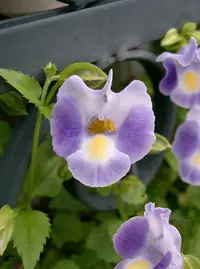
Unlike many cordylines grown mainly for foliage, this species is noted for its narrow, tubular violet to purple flowers held on branched spikes, which can be followed by small dark berries.

FAQs about Slender Palm Lily

Poor flowering often results from low light, lack of maturity, or nutrient imbalance. Plants grown too dark, frequently repotted, or heavily pruned may delay blooms. Stable conditions and patience usually improve flowering over time.

Grow Healthy Plants with Botan Care

Keep your plants happy and healthy with plant identification, disease detection, and easy care guidance.

Botan plant care app — identify plants on mobile

Explore More Plants