Windbreak planning
Site young trees where they receive some protection from strong prevailing winds, or install a temporary windbreak such as shade cloth on stakes, to reduce branch breakage and flower drop in exposed locations.

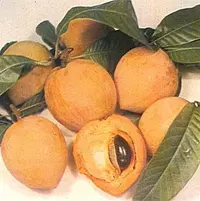
Canistel, Pouteria campechiana, is an evergreen fruit tree in the sapote group, known for its yellow, egg-shaped fruits with rich, dry, custard-like flesh. The tree typically has a dense, rounded crown and glossy green leaves, making it suitable for subtropical and tropical gardens and small orchards.
It is native to southern Mexico and Central America but is now cultivated in warm regions worldwide. The species is generally sturdy once established, but it needs frost-free conditions and does not tolerate prolonged cold.
To care for canistel successfully, growers usually provide full sun, moderate moisture, and well-drained soil. These traits make it moderately easy to grow in suitable climates but challenging in cooler areas or heavy, waterlogged soils.

Care Difficulty
Moderate Care

Light Preference
Full Sun

Water Requirements
Moderate Water

Temperature Preference
Tropical / Frost Sensitive

Hardiness Zone
10–11

Soil Texture
Sandy, Loamy, Organic-rich

Soil pH
Acidic (5.5–6.5), Slightly acidic (6.5–7.0)

Soil Drainage
Moist but well-drained

Fertilization
Light (every 4–6 weeks)
Scan your plant to receive care tips personalized for your specific plant
Available on iOS and Android
Pouteria campechiana, commonly called canistel, performs best in warm, bright outdoor conditions with strong sun exposure.
Pouteria campechiana prefers evenly moist, well-drained soil and does not tolerate prolonged flooding.
This tropical fruit tree needs warm conditions year-round and is highly sensitive to cold and frost.
This subtropical fruit tree prefers moderately humid air but usually adapts to typical indoor and outdoor household conditions.
Pouteria campechiana benefits from deep, loose, well-drained soil that still holds consistent moisture.
This species can be grown in large containers for several years if the pot is chosen and managed carefully.
This tropical fruit tree benefits from moderate, consistent feeding to support flowering and fruiting.
Thoughtful pruning helps Pouteria campechiana develop a strong, productive canopy.
This species is usually grown in the ground, so transplanting young trees correctly is more important than frequent repotting.
Propagation of Pouteria campechiana is usually done from seed, with grafting used to maintain selected varieties.
This tropical tree is frost-sensitive and needs careful winter management in cooler climates.

Plant Health Check
Not sure what's wrong with your plant? Check your plant's health inside the app.
The ripe fruit has a dry, crumbly, yolk-like texture that many people compare to cooked egg yolk or sweet potato, which is unusual among tropical fruits that are typically juicy.
The deep yellow to orange pulp is rich in carotenoids, especially beta-carotene, which gives the fruit its strong color and contributes to its slightly musky, pumpkin-like flavor.
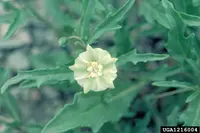
Its small, pale flowers typically open in the evening or at night and emit a faint fragrance, an adaptation that likely favors pollination by nocturnal insects in its native range.

The species is believed to have been domesticated in Mesoamerica and has long been grown in home gardens and small orchards there, where the fruit is traditionally used in custards, ice creams, and blended drinks as a natural thickener due to its dense, starchy pulp.
The ripe fruit is edible and widely eaten fresh or cooked. It has a dense, eggy texture and sweet flavor. Only the ripe pulp is used; the large seeds and tough skin are discarded.
Keep your plants happy and healthy with plant identification, disease detection, and easy care guidance.