Corsican Mint Care (Mentha requienii)

Also known as: mint
Corsican Mint

About Corsican Mint

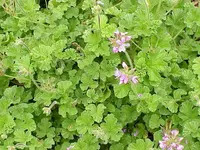
Corsican mint, Mentha requienii, is a very low-growing, mat-forming perennial herb in the mint family. It is often used as a fragrant groundcover between pavers or along paths.

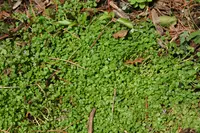
The tiny round leaves form a dense carpet and release a strong peppermint scent when lightly brushed. In summer, it produces small lilac to pale purple flowers that attract pollinators.

This species is native to Corsica, Sardinia, and nearby Mediterranean areas, where it grows in moist, partially shaded habitats. It prefers cool, damp conditions and well-drained but consistently moist soil.

These needs make it moderately easy to grow in suitable climates but less tolerant of drying out or strong heat. Understanding how to care for Corsican Mint helps prevent stress from drought or compacted soil.

Main Plant Requirements

Care Difficulty

Moderate Care

Light Preference

Partial Shade

Water Requirements

Keep Soil Moist

Temperature Preference

Cool Climate

Hardiness Zone

6–9

Soil Texture

Loamy, Silty, Organic-rich

Soil pH

Acidic (5.5–6.5), Slightly acidic (6.5–7.0)

Soil Drainage

Moist but well-drained

Fertilization

Light (every 4–6 weeks)

Get Personalized Care Plan

Scan your plant to receive care tips personalized for your specific plant

Available on iOS and Android

How to Care for the Corsican Mint

This low, creeping mint prefers cool, soft light rather than intense direct sun.

  • Provide 2–4 hours of gentle morning sun with bright, filtered light the rest of the day for Corsican Mint groundcovers.
  • In hot climates, give dappled shade or protection from strong afternoon sun to prevent leaf scorch and soil from drying too fast.
  • In cooler seasons or coastal areas, it can tolerate more direct sun, but growth becomes thin and weak if light is very low.

This shallow-rooted mint needs consistently moist but not waterlogged soil.

  • Water when the top 1–2 cm of soil feels just barely dry, aiming to keep the root zone evenly damp during active growth.
  • Use soil that drains freely yet holds moisture; pooling water, sour smell, or yellowing, mushy stems suggest overwatering and poor drainage.
  • In hot, windy, or sandy sites, expect to water more often; wilting, crisp leaves, and shrinking mats on Mentha requienii indicate underwatering.

This plant prefers mild, cool conditions and struggles with temperature extremes.

  • Best growth occurs around 60–75°F (16–24°C), where foliage stays dense, aromatic, and close to the ground.
  • It tolerates brief dips to about 20–25°F (-6 to -4°C) with mulch cover, but repeated hard freezes can thin or kill exposed mats.
  • Heat above 85°F (29°C), especially with strong sun and dry soil, stresses plants, so provide shade and extra moisture in hot summers.

This species prefers moderately moist air and reacts if kept too dry for long periods.

  • Aim for 50–70% humidity to keep foliage dense and aromatic on Corsican Mint.
  • In dry indoor air, leaves may curl, brown at the edges, and the mat can thin out from the center.
  • Increase humidity by grouping pots, placing trays with water and pebbles nearby, or lightly misting in the morning without soaking the foliage.

This creeping mint needs light, moist, well‑drained soil to spread evenly and avoid root problems.

  • Use a loose, fine-textured mix such as 2 parts peat- or coir-based potting soil with 1 part compost and 1 part perlite or fine grit.
  • Aim for slightly acidic to neutral pH around 6.0–7.0, which supports nutrient uptake and healthy growth in Mentha requienii.
  • Ensure fast drainage so water does not pool; raised beds or shallow, sloped sites help excess water move away from the root zone.
  • Avoid heavy clay, compacted, or waterlogged sites; incorporate coarse sand or perlite to improve aeration before planting.

This low, mat-forming mint is well suited to shallow containers and troughs.

  • Choose a wide, shallow pot so roots can spread laterally and stems can trail over the rim without crowding.
  • Select ceramic or plastic containers that retain consistent moisture better than unglazed terracotta in hot, windy locations.
  • Ensure generous drainage holes and tip out saucers promptly so the thin roots never sit in stagnant water.

This low-growing herb needs only light feeding to maintain dense, aromatic mats.

  • Apply a balanced liquid fertilizer at 1/4–1/2 strength every 4–6 weeks during spring and summer for Corsican Mint.
  • Use a mild, organic feed such as diluted fish emulsion or compost tea rather than high-salt synthetic products.
  • Skip fertilizer in fall and winter when growth slows, especially for indoor containers.
  • Always water before feeding to reduce root burn risk and improve nutrient uptake.

Light pruning keeps Mentha requienii compact, healthy, and aromatic.

  • Trim in late spring through summer, after new growth flushes, to maintain a low, even mat.
  • Pinch or clip back long, straggly runners to prevent thinning patches and encourage lateral spread.
  • Remove any dead, yellowing, or damaged stems with clean scissors to limit disease entry.
  • After flowering, shear lightly to tidy the surface and stimulate fresh foliage growth.

Mentha requienii adapts well to transplanting when moved at the right time with minimal root disturbance.

  • Plan transplanting or repotting for early spring or early fall, avoiding peak summer heat or winter dormancy.
  • Look for roots circling the container drainage holes or noticeably slowed growth as signs it needs more space.
  • Shift into a shallow, wider container or ground area with moist, well-drained soil, keeping the root ball intact.
  • Water thoroughly after planting, shade for a few days if sun is strong, and keep soil evenly moist to reduce stress.

This groundcover mint is commonly renewed by simple vegetative propagation methods.

  • Divide established clumps of Mentha requienii in early spring, replanting small rooted sections 10–15 cm apart.
  • Take 5–7 cm stem cuttings in late spring, remove lower leaves, and root in moist, sterile mix under bright, indirect light.
  • Encourage natural layering by pinning runners onto moist soil until they form roots, then separate and replant.
  • Sow fresh seed on the soil surface in spring, keep evenly moist, and avoid covering heavily since seeds need light to germinate.

This plant has moderate cold tolerance but benefits from simple winter protection in cooler climates.

  • In USDA zones around 6–7, apply a thin mulch layer after the first hard frost to insulate the root zone.
  • Avoid heavy, wet mulches that hold excess moisture and may cause crown rot.
  • Move container plants to a cool, bright, frost-free area and keep soil slightly moist, not waterlogged.
  • Accept some top dieback in colder winters; growth usually returns from surviving roots in spring.

Care Tips

Foot-Traffic Management

Limit heavy foot traffic by placing stepping stones and training the mat to fill gaps, as repeated crushing of the foliage and stems will thin the groundcover and invite weeds and moss into bare patches.

Edge Containment

Install a 5–8 cm deep physical border or edging strip around beds so the plant forms a dense mat where wanted but does not creep into lawns, paths, or adjacent plantings.

Cool-Season Renewal

In late winter or very early spring, lightly rake or trim off winter-damaged foliage, then top-dress with a thin layer of fine compost or soilless mix to encourage a fresh, even carpet of new growth.

Shallow-Weed Control

Remove weeds by hand-pulling or using a narrow hand hoe at a very shallow angle, since the plant has fine surface roots that are easily damaged by deep cultivation.

Container Spreader Strategy

When growing Corsican Mint in pots, plant several small plugs near the container rim and gently pin young stems to the soil surface with U-shaped wire or small rocks to speed lateral spread and coverage.

Common Pests and Diseases

Spider mites

This pest often appears in hot, dry conditions and can cause fine stippling, bronzing, and webbing on the tiny leaves. Symptoms include slowed growth and a dull, dusty look to the groundcover mats.

Solution

Rinse foliage thoroughly with a strong but gentle stream of water every few days and increase ambient humidity around the planting. For heavier infestations, apply insecticidal soap or a horticultural oil labeled for edibles, making sure to reach the undersides of leaves and repeat as directed until mites are controlled.

Mint rust

This disease is caused by a fungus that produces orange to brown pustules on leaf undersides, often leading to yellowing, distortion, and early leaf drop. Symptoms include patchy thinning in mats where infected stems die back.

Solution

Promptly remove and discard all affected shoots and nearby plant debris, and avoid overhead watering to keep foliage as dry as possible. Improve air movement, thin overly dense patches, and if needed use a fungicide labeled for mint rust, rotating products to reduce resistance and reapplying as directed.

Aphids

These insects cluster on soft stems and shoot tips, sucking sap and causing distortion, curling, and sticky honeydew on foliage. This pest can also attract sooty mold, which darkens the leaves and reduces vigor.

Solution

Spray the plants with a firm stream of water to dislodge colonies, repeating every few days as needed. For persistent infestations, use insecticidal soap or a light horticultural oil, treating in the early morning or evening to avoid leaf burn and protecting beneficial insects as much as possible.

Powdery mildew

This disease shows as white to gray powdery patches on leaves and stems, often following warm days and cool, humid nights. Symptoms include reduced vigor, distorted new growth, and reduced aromatic foliage quality.

Solution

Increase airflow by gently thinning dense mats and keeping surrounding vegetation trimmed, and water at soil level rather than on the foliage. Remove and discard the most affected shoots, and if conditions remain favorable for disease, apply a suitable fungicide such as potassium bicarbonate or sulfur, following label directions for edible herbs.

Interesting Facts

Natural soil carpet

This species forms an extremely low, mat-forming ground cover only a few millimeters tall, naturally filling gaps between stones and paving in its native habitats in Corsica, Sardinia, and nearby regions.

Humidity-triggered fragrance

The leaves release a strong peppermint-like aroma when crushed, but also noticeably intensify their scent in humid air or after light rain due to increased evaporation of essential oils from the tiny foliage.

Tiny but cold-tolerant

Despite its delicate appearance and minute leaves, this plant can tolerate light frosts and brief subfreezing temperatures, surviving as a perennial in many mild temperate climates when soil drainage is good.

Botan icon

Did you know?

Mentha requienii is sometimes used experimentally as a living grout between paving stones because its extremely small stature and tolerance of light foot traffic allow it to grow in very thin soil layers where many other mints would fail.

FAQs about Corsican Mint

This species spreads slowly to moderately by surface runners, forming a low mat. It is not typically aggressive and is easy to keep within bounds using light edging or by lifting and trimming unwanted outer sections.

Grow Healthy Plants with Botan Care

Keep your plants happy and healthy with plant identification, disease detection, and easy care guidance.

Botan plant care app — identify plants on mobile

Explore More Plants