rose scented geranium Care (Pelargonium capitatum)

Also known as: Rose-scented pelagonium, Common Storksbill, coast pelargonium, Wild Pelargonium, Coast Storksbill
rose scented geranium

About rose scented geranium

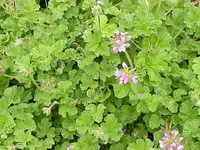
Rose scented geranium (Pelargonium capitatum) is a tender, aromatic shrub-like perennial grown mainly for its fragrant, rose-scented foliage. It forms a low, bushy mound with soft, slightly fuzzy leaves and small pink to mauve flowers.

In nature it occurs along coastal and lowland areas of South Africa, often in sunny, well-drained sites. The plant adapts well to containers and indoor windowsills in cooler climates.

Its scented leaves, tolerance of light pruning, and moderate drought resistance make it relatively easy to manage, especially for those learning how to care for rose scented geranium. It prefers bright light, good air movement, and lean, free-draining soil to stay compact and healthy.

Main Plant Requirements

Care Difficulty

Easy Care

Light Preference

Full Sun

Water Requirements

Moderate Water

Temperature Preference

Tropical / Frost Sensitive

Hardiness Zone

9–11

Soil Texture

Sandy, Loamy, Organic-rich

Soil pH

Acidic (5.5–6.5), Slightly acidic (6.5–7.0)

Soil Drainage

Well-drained

Fertilization

Light (every 4–6 weeks)

Get Personalized Care Plan

Scan your plant to receive care tips personalized for your specific plant

Available on iOS and Android

How to Care for the rose scented geranium

Pelargonium capitatum grows best with bright, direct light for strong, compact growth and good scent production.

  • Provide 4–6 hours of direct sun daily, ideally morning sun with light afternoon shade in hotter regions.
  • Tolerates light or dappled shade for part of the day, but stems may stretch and flowering decrease if total sun falls below about 3–4 hours.
  • In summer, protect from intense midafternoon sun to reduce leaf scorch; in winter, move plants to the brightest available spot to compensate for shorter days.

Pelargonium capitatum prefers slightly dry conditions and is sensitive to waterlogged soil.

  • Water only when the top 3–5 cm of soil feels dry, applying enough to moisten the root zone, then allow excess to drain away fully.
  • Use sharply drained soil and avoid standing water, as persistently wet conditions cause yellowing leaves, soft stems, and root rot.
  • Reduce watering in cooler seasons when growth slows; leaves that droop yet feel thin and dry indicate thirst, while limp, soft leaves suggest overwatering.

This species thrives in mild, frost-free conditions typical of Mediterranean-type climates.

  • Aim for daytime temperatures of 65–80°F (18–27°C) and slightly cooler nights for steady growth and flowering.
  • Protect from frost; tissue damage begins close to 32°F (0°C), and plants are best kept above 40°F (4°C) for long-term health.
  • Tolerates short heat spells up to about 90–95°F (32–35°C) if soil is not waterlogged; provide airflow and light shade during extreme heat to limit stress.

This species prefers relatively dry air and usually does well in 30–50% humidity.

  • Rose scented geranium tolerates centrally heated, dry rooms better than many foliage plants, as long as soil moisture is managed carefully.
  • Watch for limp, pale, or mildew-prone leaves as signs of stress from overly damp, stagnant air rather than low humidity.
  • If air feels very still, increase gentle air movement with a small fan on low instead of misting, which only raises surface moisture briefly.

Pelargonium capitatum grows best in light, sharply drained soil that dries moderately between waterings.

  • Use a sandy or loamy mix such as 50% peat-free potting mix, 30% coarse sand, and 20% perlite to keep the root zone airy.
  • Aim for slightly acidic to neutral pH around 6.0–7.0, which supports nutrient uptake without encouraging nutrient lockout or leaf chlorosis.
  • Improve drainage by adding extra perlite or fine bark if water lingers on the surface or the pot feels heavy long after watering.
  • Avoid compacted, clay-heavy, or waterlogged substrates, which encourage root rot and reduce oxygen around the fine feeder roots.

This species is well suited to container growing outdoors or in bright, airy spaces.

  • Choose a wide, relatively shallow pot to support its spreading habit while preventing excess wetness in the lower root zone.
  • Select a lightweight but stable container so it can be moved for light changes without tipping when foliage becomes dense.
  • Ensure drainage holes stay clear and lift the pot slightly on feet or bricks so excess water escapes quickly after rain or watering.

Nutrient support helps Pelargonium capitatum flower well in pots and lean soils.

  • Use a balanced liquid fertilizer (around 10-10-10) at 1/2 strength every 2–3 weeks during the growing season.
  • Alternatively, apply a light top-dressing of compost or a low-dose slow-release fertilizer in spring.
  • Reduce feeding to once every 4–6 weeks in fall and winter, or stop if growth is dormant.
  • Water before applying fertilizer to lower root burn risk and avoid overfeeding in poor light.

Thoughtful pruning keeps Pelargonium capitatum compact, leafy, and free-flowering.

  • Carry out main pruning in late winter or early spring before strong new growth starts.
  • Remove dead, damaged, or crossing stems and thin crowded centers to improve light and air flow.
  • Shorten long, leggy shoots by 1/3–1/2 to encourage branching and more flowering tips.
  • Use clean, sharp scissors or pruners and pinch soft tips through the season to maintain shape.

Container-grown plants of this species benefit from occasional repotting to maintain vigor.

  • Check for roots circling the pot base, pushing from drainage holes, or slow, weak growth as signs to repot Pelargonium capitatum.
  • Plan repotting for early spring, every 1–2 years, into a pot just 2–5 cm wider with free-draining mix.
  • Water lightly the day before, then gently loosen the root ball, trimming only densely circling roots.
  • Firm in fresh mix, water thoroughly, then keep out of intense sun for 3–5 days to limit root stress.

This species is commonly multiplied from stem cuttings for consistent fragrance and form.

  • Take 7–10 cm softwood or semi-ripe cuttings in late spring to late summer from healthy, non-flowering shoots of Pelargonium capitatum.
  • Remove lower leaves, optionally dip the base in rooting hormone, and plant in a well-drained mix such as 50% perlite, 50% compost.
  • Maintain bright, indirect light, gentle warmth around 68–75°F, and slightly moist but not wet substrate.
  • Seed can also be sown in spring on the surface of light mix, with even moisture and similar temperatures for germination.

Cold-sensitive plants need structured winter management in regions with frost or prolonged chills.

  • Pelargonium capitatum is not frost hardy; growth declines near 40°F and foliage can be damaged below 32°F.
  • Move containers indoors before frost into a bright, cool room kept around 45–60°F.
  • In mild climates, mulch the root zone with 5–8 cm of dry material to buffer soil temperature.
  • Reduce watering in winter, allowing the top mix to dry more deeply while preventing complete desiccation.

Care Tips

Pinch for bushiness

Regularly pinch out the soft shoot tips with clean fingers during active growth to keep plants compact and encourage dense, leafy growth with more scented foliage.

Refresh leggy plants

In late winter or early spring, cut back overly woody, leggy stems by 1/3 and use the healthiest tip pieces as cuttings to renew the plant and maintain a steady stock of vigorous replacements.

Rotate for even scent

Turn containers 1/4 turn every 1–2 weeks so all sides receive similar light, which reduces lopsided growth and keeps the scented foliage evenly distributed for harvesting.

Harvest leaves correctly

When collecting leaves for fragrance or craft use, remove entire side shoots or individual leaves close to the stem rather than snipping random mid-stem sections, which helps preserve a balanced plant structure.

Outdoor summering strategy

In mild climates, move containers outdoors after frost risk passes, placing them in a bright, sheltered spot and elevating pots on bricks or pot feet to improve drainage and air circulation while growing rose scented geranium.

Common Pests and Diseases

Botrytis blight

This disease often appears in cool, humid conditions with poor air movement. Symptoms include soft, water-soaked areas on leaves, flowers, and stems that develop gray, fuzzy mold.

Solution

Remove and discard all affected leaves, flowers, and stems, then improve airflow around the plant and avoid overhead watering. If humidity cannot be reduced, apply a labeled fungicide for Botrytis on ornamentals and space plants so foliage dries quickly after watering.

Pelargonium rust

This disease causes small yellow spots on the upper leaf surface and brown powdery pustules directly underneath. Symptoms include progressive yellowing and premature leaf drop, especially in crowded or damp conditions.

Solution

Promptly remove and dispose of infected leaves and reduce overhead watering to keep foliage dry. Improve air circulation, avoid overcrowding, and if the problem persists, use a rust-specific fungicide labeled for geraniums, following all instructions carefully.

Caterpillar leaf damage

These insects chew irregular holes in leaves and can quickly strip soft new growth, especially on outdoor plants. Symptoms include ragged foliage, frass pellets, and sometimes rolled leaves where larvae hide.

Solution

Hand-pick caterpillars in the early morning or evening and dispose of them away from the plants. For heavier infestations, use Bacillus thuringiensis (Bt) or spinosad products labeled for ornamental caterpillars and limit night lighting that may attract egg-laying moths nearby.

Aphids

These insects cluster on tender shoots and flower stems, sucking sap and causing curling or distorted growth. This pest also excretes sticky honeydew that can lead to sooty mold on leaves.

Solution

Rinse colonies off with a firm stream of water and pinch back heavily infested shoot tips. For ongoing issues, apply insecticidal soap or horticultural oil, ensuring good coverage of stems and leaf undersides, and encourage natural predators such as lady beetles by avoiding broad-spectrum insecticides.

Whiteflies

These insects are small white moth-like pests that fly up in a cloud when the plant is disturbed. This pest feeds on leaf sap, leading to yellowing, leaf drop, and honeydew deposits on foliage.

Solution

Hang yellow sticky traps near plants to capture adults and regularly shake plants to monitor activity. Treat the undersides of leaves with insecticidal soap or horticultural oil every 7–10 days until populations decline, and combine this with removing the most heavily infested leaves to break the life cycle.

Interesting Facts

Native dune specialist

This species is naturally found along coastal dunes and sandy slopes in South Africa, where its root system helps stabilize loose, nutrient-poor soils in a windy, salt-influenced environment.

Oil glands on leaves

The rose-like fragrance comes from tiny oil glands on the leaf surface; when the leaves are rubbed or damaged, these glands release volatile aromatic compounds, many of which are monoterpenes such as geraniol and citronellol.

Source of hybrid fragrance

Although not the main commercial oil crop, this species has been used in breeding scented geranium hybrids because its strong rose scent and variable leaf shape contribute desirable traits to cultivated lines.

Botan icon

Did you know?

In its native Cape Floristic Region, this species occurs within one of the world’s biodiversity hotspots, growing alongside many endemic fynbos shrubs and bulbs, and contributes to the aromatic character of this low, shrubby vegetation community after rain or in warm weather.

FAQs about rose scented geranium

Brown leaf edges usually result from low humidity, salt buildup from fertilizer, or irregular watering. Sudden brown patches can indicate sun scorch after moving the plant into stronger light. Remove damaged leaves and adjust conditions gradually.

Grow Healthy Plants with Botan Care

Keep your plants happy and healthy with plant identification, disease detection, and easy care guidance.

Botan plant care app — identify plants on mobile

Explore More Plants