Vicks Plant Care (Coleus hadiensis)

Also known as: Hairy Spurflower
Vicks Plant

About Vicks Plant

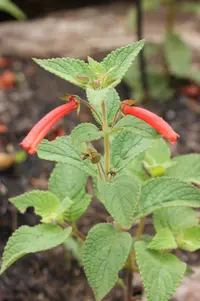
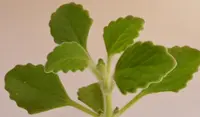
Vicks plant, Coleus hadiensis, is a tender, aromatic shrub grown mainly for its soft, fuzzy leaves that release a menthol-like scent when touched. It is usually kept as a compact container or windowsill plant, though in warm climates it can form a low, branching shrub outdoors. Native to parts of East Africa and Arabia, it prefers warm conditions and does not tolerate frost. The plant is generally easy to grow as long as it receives bright light, moderate moisture, and a well-drained potting mix. Beginners usually find it straightforward to care for Vicks Plant once its dislike of cold and soggy soil is understood.

Main Plant Requirements

Care Difficulty

Easy Care

Light Preference

Partial Sun

Water Requirements

Moderate Water

Temperature Preference

Tropical / Frost Sensitive

Hardiness Zone

10–11

Soil Texture

Sandy, Loamy, Organic-rich

Soil pH

Acidic (5.5–6.5), Slightly acidic (6.5–7.0)

Soil Drainage

Moist but well-drained

Fertilization

Light (every 4–6 weeks)

Get Personalized Care Plan

Scan your plant to receive care tips personalized for your specific plant

Available on iOS and Android

How to Care for the Vicks Plant

Coleus hadiensis thrives with bright, indirect light and some gentle direct sun.

  • Outdoors, provide 3–5 hours of gentle morning sun with light afternoon shade to prevent leaf scorch.
  • Tolerates partial shade, but in deep shade foliage becomes sparse and stems stretch, so aim for dappled light under taller plants.
  • For Vicks Plant in hotter regions, use filtered light or 30–40% shade cloth in summer and move it to brighter exposure in low-light winter months.

Coleus hadiensis prefers evenly moist but not saturated soil.

  • Water when the top 2–3 cm of soil feels dry, using enough water so it drains freely from the root zone.
  • In spring and summer, expect more frequent watering; in cooler months, allow the top layer to stay dry slightly longer to reduce rot risk.
  • Watch for limp, curling leaves and dry soil as signs of underwatering, and yellowing, mushy stems or a sour smell as signs of overwatering.

This species grows best in warm, frost-free conditions with stable temperatures.

  • Ideal growth occurs around 65–80°F (18–27°C), where foliage stays dense and aromatic.
  • Below about 45°F (7°C), tissue damage can occur, and light frost can quickly kill stems, so protect plants from cold snaps.
  • Handles short heat spells up to about 90°F (32°C) if soil moisture is maintained and the plant receives partial shade during the hottest hours.

This species handles typical indoor humidity but benefits from moderate moisture in the air.

  • Aim for 40–60% humidity, which suits Vicks Plant while limiting fungal risk.
  • Dry household air can cause slight leaf curl and browning at edges, especially near heating or AC vents.
  • Increase humidity locally with a pebble tray or grouping plants, rather than misting leaves directly.

Coleus hadiensis prefers a loose, well-drained mix that stays lightly moist but never waterlogged.

  • Use a peat- or coco-coir-based potting mix with added perlite or pumice for aeration and quick drainage.
  • Include 20–30% compost or leaf mold to provide organic matter that improves moisture retention without creating soggy conditions.
  • Target a slightly acidic to neutral pH around 6.0–7.0, which supports nutrient availability for foliage growth.
  • Avoid compacted, heavy clay or mixes high in unamended garden soil, which restrict roots and promote root rot.

This species is well suited to container growing for both indoor and outdoor settings.

  • Choose a pot only 2–5 cm wider than the root ball to prevent excess wet substrate that can suffocate roots.
  • Select a container material that matches your climate, using terracotta for drier conditions and plastic for faster drying sites.
  • Secure lightweight pots or hanging containers, as the plant’s bushy, top-heavy growth can tip unstable or narrow-based containers.

Coleus hadiensis responds well to light, consistent feeding during active growth.

  • Use a balanced liquid fertilizer (for example 10-10-10 or 20-20-20) at 1/4–1/2 strength for Vicks Plant in spring and summer.
  • Apply every 2–4 weeks when growth is strong, on moist soil to limit root burn.
  • Pause or reduce feeding to once every 6–8 weeks in fall and winter, especially indoors.
  • Organic compost or slow-release granules can be mixed into the potting mix at the start of the growing season.

Pruning supports compact, leafy growth and maintains a neat shape in Coleus hadiensis.

  • Pinch or trim stem tips in spring and summer to encourage branching and denser foliage.
  • Remove dead, damaged, or leggy stems with clean, sharp scissors or pruning snips.
  • Thin crowded interior stems to improve airflow and reduce fungal problems.
  • Cut back flowering spikes if leaf production is preferred over seed set.

Container-grown plants benefit from timely repotting to support healthy roots and foliage.

  • Repot when roots circle the pot, emerge from drainage holes, or growth slows despite good care.
  • Plan repotting for spring, increasing container diameter by 2–5 cm with fresh, well-drained mix.
  • Gently loosen circling roots and trim any rotten sections to reduce stress and encourage new growth.
  • Water thoroughly after repotting and keep in bright, indirect light for 3–7 days to help recovery.

Coleus hadiensis is commonly propagated from softwood cuttings for uniform plants.

  • Take 8–12 cm non-flowering stem cuttings in late spring or summer, just below a node.
  • Strip lower leaves and place cut ends in moist, free-draining mix or water; rooting hormone is optional.
  • Keep cuttings warm (68–75°F), in bright, indirect light, and maintain high humidity for rooting.
  • Seeds can also be sown on the surface of fine mix, kept lightly moist and warm until germination.

This species is frost-sensitive and needs protection in regions with cold winters.

  • Move container plants indoors before temperatures drop below 45°F, placing them in bright, indirect light.
  • In mild climates, apply a 3–5 cm mulch layer around outdoor roots to buffer temperature swings.
  • Reduce watering in winter, keeping soil barely moist to avoid root rot in cooler conditions.
  • Inspect indoor plants for pests, as reduced light and drier air can favor outbreaks.

Care Tips

Pinch for Bushiness

Regularly pinch 1–2 cm from the tips of new shoots every 2–3 weeks to keep the plant compact, encourage dense branching, and delay early flowering that can make stems leggy.

Timed Flower Removal

As soon as flower spikes form, cut them off at the base of the spike with clean scissors to direct energy back into foliage production and extend the plant’s ornamental life.

Overwintering Strategy

In cool climates, take 7–10 cm tip cuttings in late summer, root them indoors in a small pot, and use these as stock plants to restart outdoor containers the following spring.

Scent-Stimulated Inspection

When lightly rubbing the foliage to release fragrance, combine this with a quick check for pests on leaf undersides and stems so infestations are caught early while caring for Vicks Plant.

Container Refresh Cycle

For container-grown plants, trim back up to one-third of the stems and top up with fresh potting mix every 4–6 months to maintain root vigor and prevent the plant from becoming woody and sparse.

Common Pests and Diseases

Mealybugs

This pest feeds on sap and often hides in leaf axils and along stems, leaving white, cottony deposits and causing leaf yellowing and stunting. Symptoms include sticky honeydew and sooty mold developing on affected leaves.

Solution

Isolate the plant, then dab visible mealybugs with cotton swabs dipped in 70% isopropyl alcohol and wipe down stems and leaf undersides. Repeat every 5–7 days, rinse foliage with lukewarm water, and use an insecticidal soap or neem oil spray to control remaining insects while improving light and airflow to reduce reinfestation when growing Vicks Plant indoors.

Spider mites

These insects are tiny and often go unnoticed until fine webbing appears on stems and leaf undersides, with foliage showing pale speckling and eventually browning. This pest thrives in warm, dry conditions, especially on soft, aromatic foliage like Vicks plant.

Solution

Rinse the plant thoroughly with a strong but gentle stream of water, focusing on the undersides of leaves. Increase humidity around the plant, prune heavily infested growth, and apply insecticidal soap or a light neem oil spray every 5–7 days until new growth appears clean.

Aphids

These insects cluster on tender shoot tips and young leaves, sucking sap and causing curled, distorted growth and sticky honeydew on foliage. This pest often appears on plants grown in rich soil or after heavy nitrogen fertilization.

Solution

Pinch or cut back heavily infested tips, then wash the plant with a firm stream of water to dislodge insects. Follow with insecticidal soap on all green tissues, repeating weekly as needed, and avoid overfertilizing to reduce soft, highly attractive new growth.

Downy mildew

This disease produces pale, yellowish patches on upper leaf surfaces with a grayish, fuzzy growth on the undersides, leading to leaf drop in humid, crowded conditions. Symptoms include rapid decline of dense, shaded plants, especially in poorly ventilated indoor placements.

Solution

Remove and discard affected leaves promptly, then increase spacing, airflow, and light levels around the plant. Water at the soil level in the morning, keep foliage dry, and if needed use a copper-based fungicide labeled for ornamental plants, following label directions and avoiding repeated overhead misting.

Bacterial leaf spot

This disease causes small, water-soaked spots that turn dark, sometimes with a yellow halo, often starting on lower leaves and spreading in warm, wet conditions. Symptoms include irregular lesions along leaf margins where water lingers.

Solution

Prune and discard infected leaves and any fallen debris around the pot, then avoid splashing water onto foliage and do not reuse contaminated tools without disinfecting. Improve airflow, allow the top of the soil to dry slightly between waterings, and if the problem persists, consider replacing severely affected plants and starting fresh with clean stock to maintain good Coleus hadiensis plant care.

Interesting Facts

Distinctive menthol aroma

The foliage of Coleus hadiensis releases a strong, Vicks-like menthol scent when touched, caused by volatile essential oils concentrated in glandular hairs on the leaves and stems.

Dry-climate adaptation

This species is native to dry, rocky areas of East Africa and the Arabian Peninsula, and its semi-succulent, softly hairy leaves help reduce water loss and buffer the plant against high light and heat.

Pollinator-friendly flowers

The small, tubular, pale purple to lilac flowers are arranged in upright spikes and are adapted to attract bees and other small pollinators that can access nectar deep inside the corolla tube.

FAQs about Vicks Plant

Leaf curl usually results from stress such as underwatering, sudden temperature swings, low humidity, or pests like spider mites. Check soil moisture, improve airflow, inspect leaf undersides, and remove pests with a gentle shower or insecticidal soap.

Grow Healthy Plants with Botan Care

Keep your plants happy and healthy with plant identification, disease detection, and easy care guidance.

Botan plant care app — identify plants on mobile

Explore More Plants