Regular tip pinching
Pinch back only the soft shoot tips every 4–6 weeks during active growth to keep plants compact and encourage more lateral flowering stems.

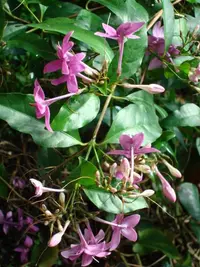
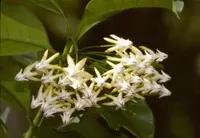
Shooting star (Pseuderanthemum laxiflorum) is a tropical evergreen shrub grown mainly for its bright purple, star-shaped flowers and neat, glossy foliage. It usually stays compact and bushy, making it suitable for small gardens or large containers.
This species is native to Pacific islands, where it grows in warm, humid conditions with filtered light. It responds well to regular pruning, which helps maintain a dense shape and encourages more blooms.
In cultivation, it prefers bright, indirect light, evenly moist but not waterlogged soil, and protection from cold. Understanding these basic needs makes it easier to care for Shooting star in home landscapes or sheltered patios.

Care Difficulty
Moderate Care

Light Preference
Partial Shade

Water Requirements
Regular Water

Temperature Preference
Tropical / Frost Sensitive

Hardiness Zone
10–11

Soil Texture
Loamy, Sandy, Organic-rich

Soil pH
Acidic (5.5–6.5), Slightly acidic (6.5–7.0)

Soil Drainage
Moist but well-drained

Fertilization
Light (every 4–6 weeks)
Scan your plant to receive care tips personalized for your specific plant
Available on iOS and Android
This shrub prefers bright, gentle light to support compact growth and flowering.
Watering should keep the soil consistently slightly moist but never saturated.
Stable warmth is important for healthy growth and flowering.
This species prefers consistently moderate to high humidity to maintain healthy foliage and flowering.
This plant grows best in a loose, airy, organic-rich substrate that drains quickly but holds some moisture.
This species is well suited to container growing for patios, entries, and protected outdoor spots in mild climates.
Pseuderanthemum laxiflorum responds well to moderate, consistent feeding during active growth.
Pruning helps Pseuderanthemum laxiflorum stay compact and produce more blooms.
Container-grown plants benefit from periodic repotting to maintain healthy roots and growth.
This shrub is commonly propagated from cuttings for consistent flowering and foliage.
This tropical shrub is frost-sensitive and needs protection in regions with cold winters.

Plant Health Check
Not sure what's wrong with your plant? Check your plant's health inside the app.
Individual flowers open a bright pinkish purple and often fade to a paler lilac as they age, so a single plant can display multiple flower shades at once. This color change is typical of the species and is due to shifts in pigment concentration in the petals over time.
The flowers have a narrow, tubular base that opens into a slightly irregular 5-lobed corolla, with one lobe usually larger and differently shaped. This asymmetry is characteristic of the Acanthaceae family and helps guide visiting pollinators to the nectar source.
In its native Pacific island habitats, this species grows as a low, semi-woody shrub in warm, humid, partially shaded understory conditions. It is naturally adapted to dappled light beneath taller vegetation rather than full, open sun.
Flowering reduces when light intensity, nutrition, or plant age is off. Old, woody stems bloom less. Regular pruning to stimulate new shoots, balanced fertilizer, and a bright position usually restore reliable flowering over the growing season.
Keep your plants happy and healthy with plant identification, disease detection, and easy care guidance.