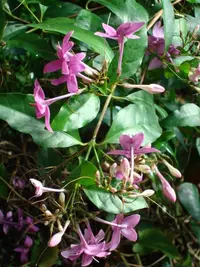



Shooting star (Pseuderanthemum laxiflorum) Light Needs

Shooting star grows best in bright filtered light or partial sun, with protection from harsh afternoon rays.

Light Preference

Partial Shade

Pseuderanthemum laxiflorum Light Requirements

Like many tropical understory shrubs, this species is adapted to warm sites where light shifts through the day. It can receive open morning sun, filtered midday light, and partial shade from nearby vegetation, rather than constant deep shade. In cultivation, that pattern supports strong growth and flowering without scorching the leaves. Preferred light is bright filtered light or partial sun.

  • Ideal exposure:

    Shooting star needs about 6–8 hours of bright filtered light or partial sun daily, including about 2–4 hours of gentle direct morning sun.

  • Direct sun:

    Acclimated outdoor plants can tolerate more direct sun, but strong midday or afternoon exposure is more likely to scorch leaves in hot weather.

  • Lower light:

    Light shade is tolerated, yet growth and flowering are usually weaker when the site stays dim most of the day.

  • Best timing:

    Morning sun is safer than late-day sun because leaves receive usable light before heat and glare build.

Indoors, place it where light is bright for most of the day but direct sun is limited or filtered.

NConditional
North-facing window:

Use only a very bright, unobstructed north window, and expect less flowering if the room stays dim.

EBest
East-facing window:

Set it within 1–3 ft of the glass for gentle morning sun and bright indirect light later.

SSuitable
South-facing window:

Place it 2–5 ft back or behind a sheer curtain so midday rays do not hit the leaves hard.

WConditional
West-facing window:

Use a sheer curtain or keep it several feet back because late afternoon sun can be hot and direct.

If growth leans toward the glass, rotate the pot every 1–2 weeks for even light.

Excess light usually shows first on exposed leaves.

Bleached patches:

Pale tan or whitish areas can appear where direct sun hits the leaf surface for several hours.

Crisp sun spots:

Dry, papery spots may develop after a sudden move from shade into full sun.

Dull foliage:

Leaves may lose their fresh green color and look washed out under intense afternoon glare.

Heat-leaning leaves:

Foliage may angle away from the window or sunniest side during the brightest part of the day.

Move Pseuderanthemum laxiflorum into filtered light or reduce direct sun to the morning hours. Increase brightness again slowly if the plant was recently relocated.

Low light often changes the plant’s shape before leaves show stress.

  • Stretched stems:

    New stems may become longer and thinner as they reach toward the strongest light source.

  • Wider leaf spacing:

    Gaps between leaf pairs can increase, giving the plant a looser, less compact form.

  • Fewer flowers:

    Pseuderanthemum laxiflorum may bloom poorly when it receives shade for most of the day.

  • Small new leaves:

    Fresh growth can emerge smaller than older leaves during the active growing season.

Shift it to brighter filtered light or add gentle morning sun. Make the change over several days if the new spot is much brighter.

If ideal exposure is not available, choose bright filtered light over strong all-day sun. A spot with morning sun and afternoon shade usually meets Pseuderanthemum laxiflorum light needs better than a hot, glaring position.

Rotate the pot every 1–2 weeks so new growth stays balanced and the plant does not lean toward one side.

A dim corner is unsuitable because it reduces flowering and encourages stretched stems.

Get Personalized Care Plan

Scan your plant to receive care tips personalized for your specific plant

FAQ

The best light for Shooting star is bright filtered light or partial sun for about 6–8 hours daily, including 2–4 hours of gentle morning sun when possible.

More Plant Light Guides

Get the Botan App

Discover how to care for your plants with Botan.

Botan app identifying a plant with a phone camera
How to Group Plants in Landscaping: A Practical Layout Guide

8 min read · 31 Aug 2026

How to Group Plants in Landscaping: A Practical Layout Guide

Good plant grouping can mean the difference between a well-planned garden and one that looks sloppy. This guide explores layers, spacing, cluster shapes, and the plants that thrive when you group them.

Plant Care
How to Group Plants in Landscaping: A Practical Layout Guide
How to Repot a Plant: A Step-by-Step Guide

7 min read · 28 May 2026

How to Repot a Plant: A Step-by-Step Guide

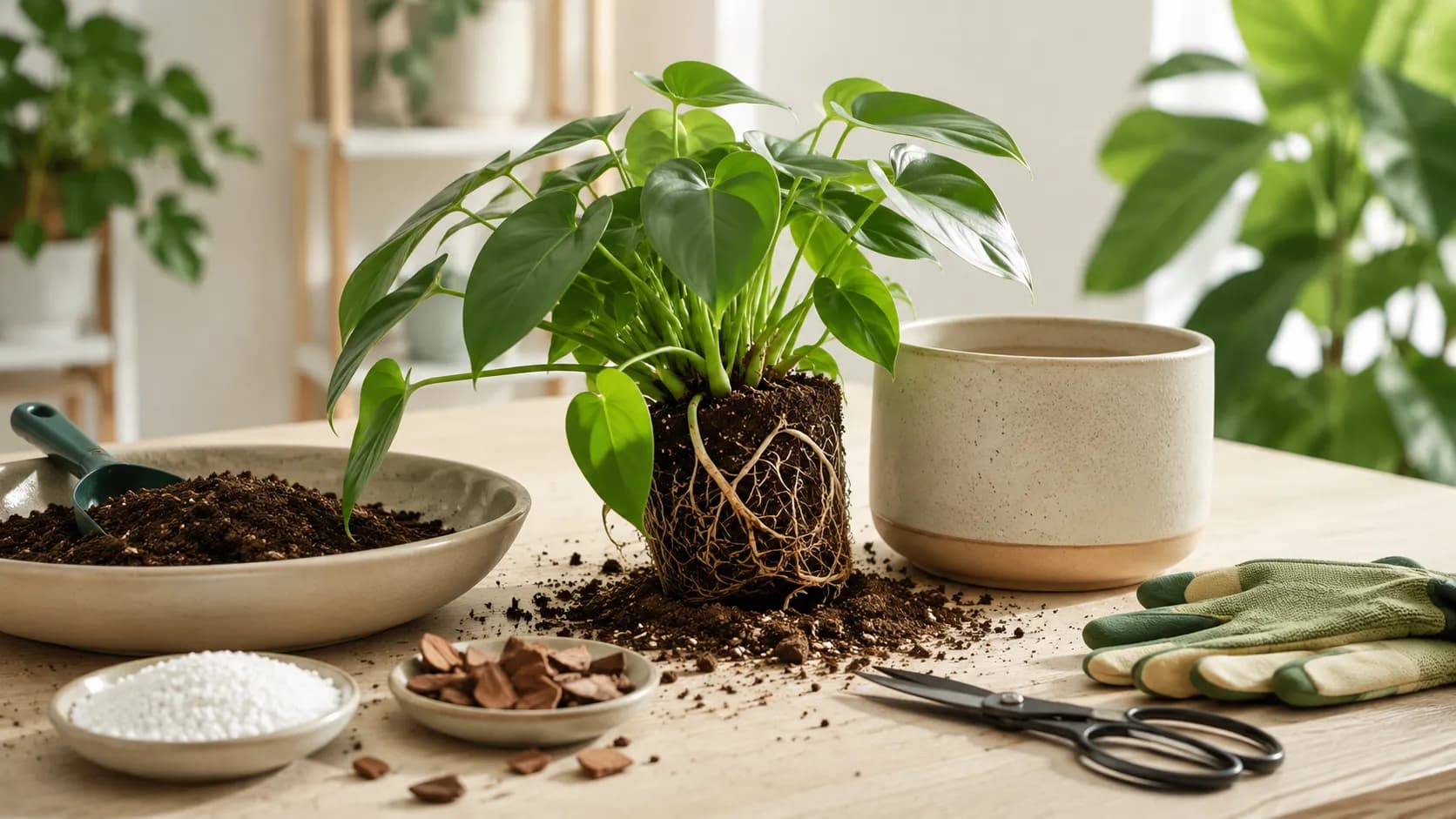
In spring, many plants need repotting—an essential part of care. To avoid stress, consider the plant’s type and size. This article offers a step-by-step guide for repotting indoors or outdoors and shows how to check plant health and get care tips using the Botan app.

Plant Care
How to Repot a Plant: A Step-by-Step Guide
Plant Pot Sizes: How to Choose the Right Plant Container

7 min read · 20 Aug 2026

Plant Pot Sizes: How to Choose the Right Plant Container

Plant pot sizes can be confusing because the number on the label only tells you part of the required information. A container may look spacious but actually be too shallow. So, how to choose pot size for plant species?

Beginner Guides
Plant Pot Sizes: How to Choose the Right Plant Container