

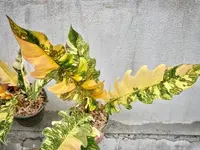
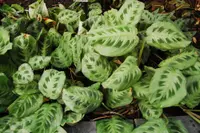
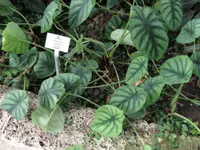
Dumbcane (Dieffenbachia 'Camille') Light Needs

Dumbcane grows best in bright, indirect light for most of the day, with protection from harsh afternoon sun.

Light Preference

Bright Indirect Light

Dieffenbachia 'Camille' Light Requirements

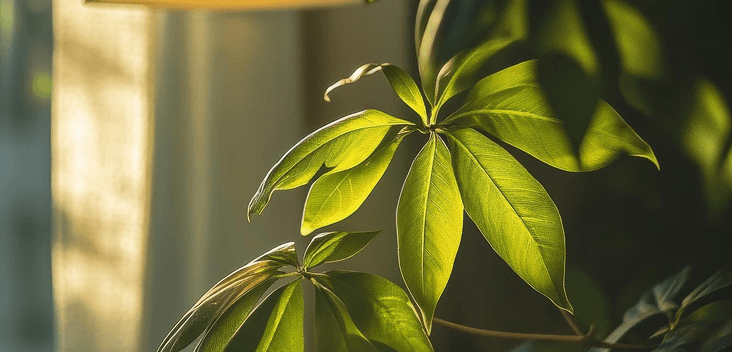
In tropical forest understories, this type of Dieffenbachia grows below taller vegetation where light is broken by leaves above. It may receive brief shafts of morning or late-day sun, but open midday sun is not typical.

That filtered habitat explains why cultivated plants tolerate shade yet keep stronger growth and clearer leaf patterning with brighter exposure. Preferred light is bright, indirect or filtered light.

  • Ideal exposure:

    Dumbcane needs about 6–8 hours of bright, indirect or filtered light daily, including up to 1–2 hours of gentle morning sun.

  • Direct sun:

    Avoid full sun and unfiltered afternoon rays, which can scorch the broad leaves.

  • Lower light:

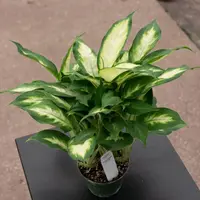
    It can tolerate shade, but growth usually slows and the pale center pattern may look duller.

  • Best timing:

    Morning light is safer than hot western sun, especially close to glass in summer.

Indoors, place it where daylight is bright but the leaves are protected from harsh sun.

NConditional
North-facing window:

Use a north-facing window only if it is large, unobstructed, and bright; keep the plant close to the glass.

EBest
East-facing window:

Set it within 1–4 ft of an east-facing window, where morning sun is gentle and indirect light lasts longer.

SConditional
South-facing window:

Place it 3–6 ft back or behind a sheer curtain so midday sun does not strike leaves directly.

WConditional
West-facing window:

Keep it several feet from a west-facing window or filter the afternoon sun, which is the highest burn risk indoors.

If leaves lean strongly, rotate the pot and move it toward the brighter side of the acceptable range.

Strong direct sun can mark the leaves quickly.

Bleached patches:

Creamy leaf centers may turn washed out or pale tan on the side facing the window.

Scorched spots:

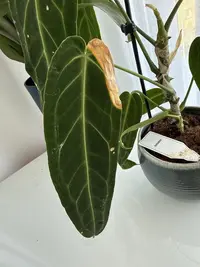
Dry brown or tan areas can appear after sudden direct sun, especially during hot afternoon exposure.

Curling leaves:

Leaves may curl slightly or angle away when light is too intense near glass.

Faded contrast:

The green margins and pale centers may lose definition under harsh, unfiltered sun.

Move Dieffenbachia 'Camille' out of direct afternoon sun and place it in bright filtered light. Keep damaged leaves until they are mostly spent if they still support the plant.

Low light is tolerated, but it often changes growth quality over time, especially in winter.

  • Leaning stems:

    Stems may bend toward the brightest side as the plant searches for stronger light.

  • Wider spacing:

    New leaves can form farther apart, giving the cane a stretched look.

  • Duller pattern:

    The pale variegation may become less distinct when light is consistently weak.

  • Small new leaves:

    Fresh growth may emerge smaller during the active growing season.

  • Slow growth:

    Little change in spring or summer can point to inadequate light when other conditions are steady.

Move it closer to a bright window or choose a brighter room with filtered light. Make changes gradually over several days.

If ideal brightness is not available, choose the brightest spot without direct afternoon sun. Keep the pot close enough to read comfortably by daylight, then pull it back if leaves fade or scorch.

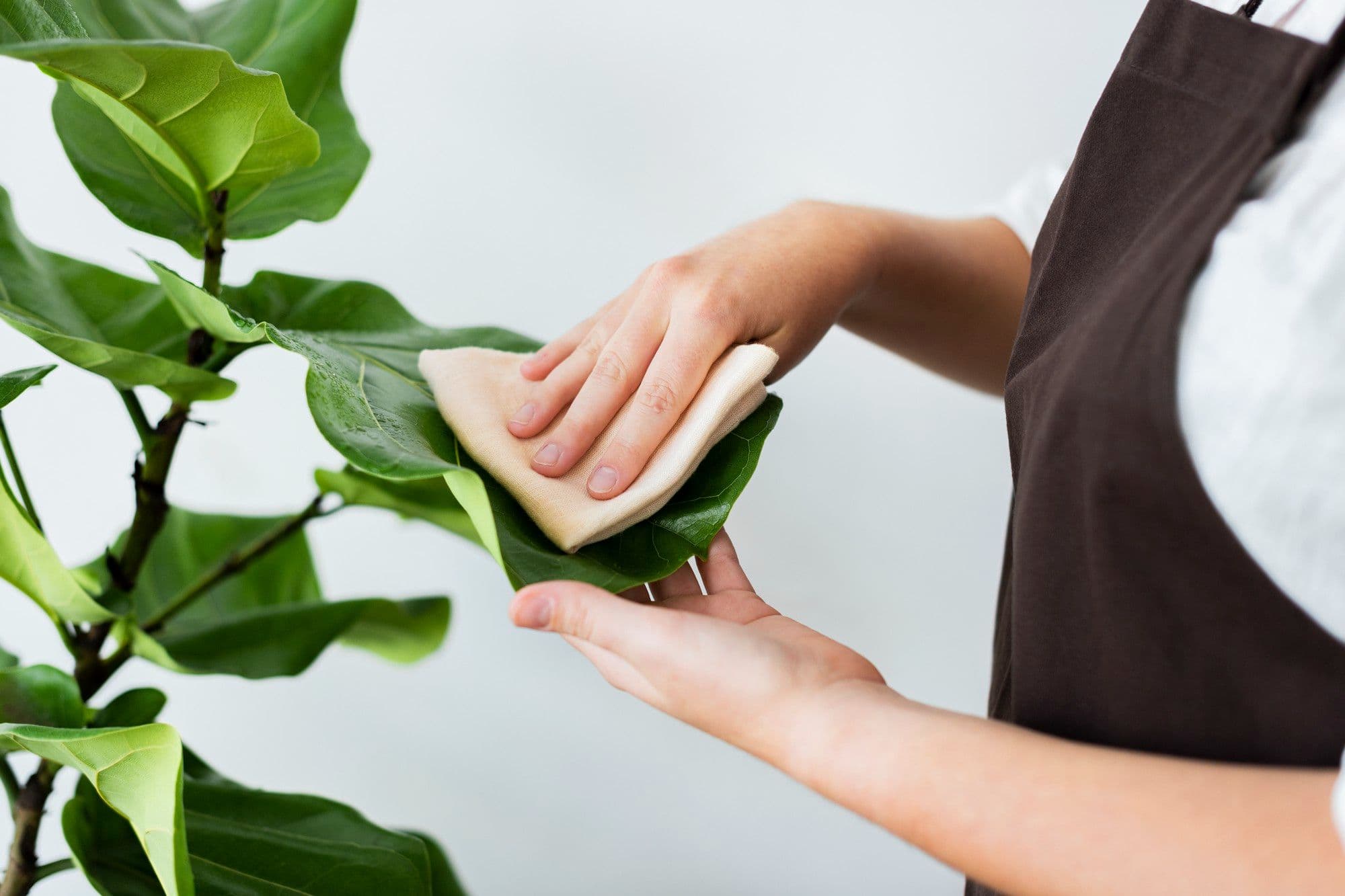
Rotate the pot every 1–2 weeks so new growth stays balanced. Clean dust from the broad leaves to help available light reach the surface.

Avoid a dark corner across the room because shade tolerance does not support compact, well-patterned growth for long.

Get Personalized Care Plan

Scan your plant to receive care tips personalized for your specific plant

FAQ

For best light for Dumbcane, provide bright, indirect light for most of the day. A little gentle morning sun is fine, but strong direct afternoon sun is too harsh.

More Plant Light Guides

Get the Botan App

Discover how to care for your plants with Botan.

Botan app identifying a plant with a phone camera
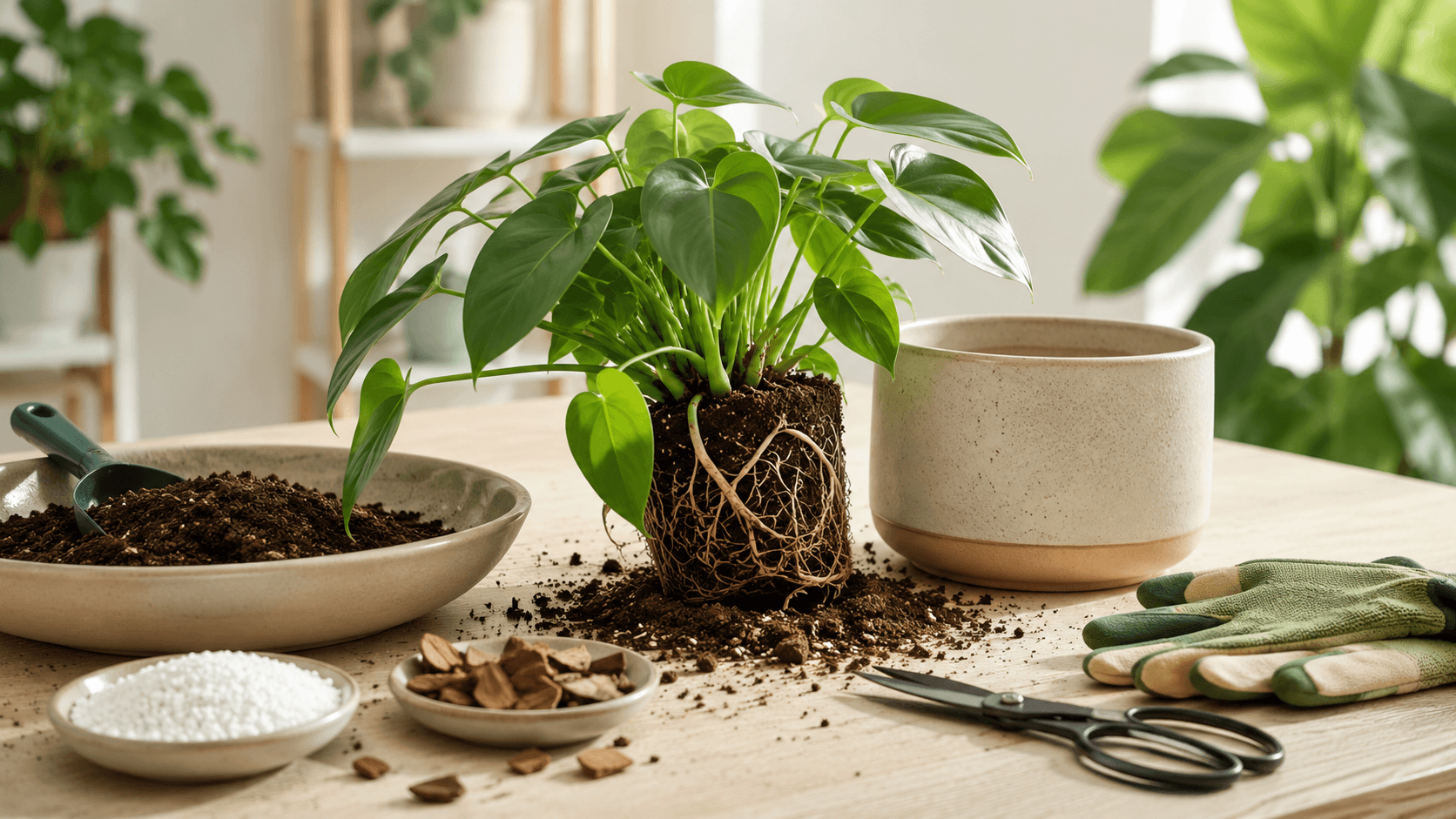
How to Repot a Plant: A Step-by-Step Guide

7 min read · 28 May 2026

How to Repot a Plant: A Step-by-Step Guide

In spring, many plants need repotting—an essential part of care. To avoid stress, consider the plant’s type and size. This article offers a step-by-step guide for repotting indoors or outdoors and shows how to check plant health and get care tips using the Botan app.

Plant Care
How to Repot a Plant: A Step-by-Step Guide
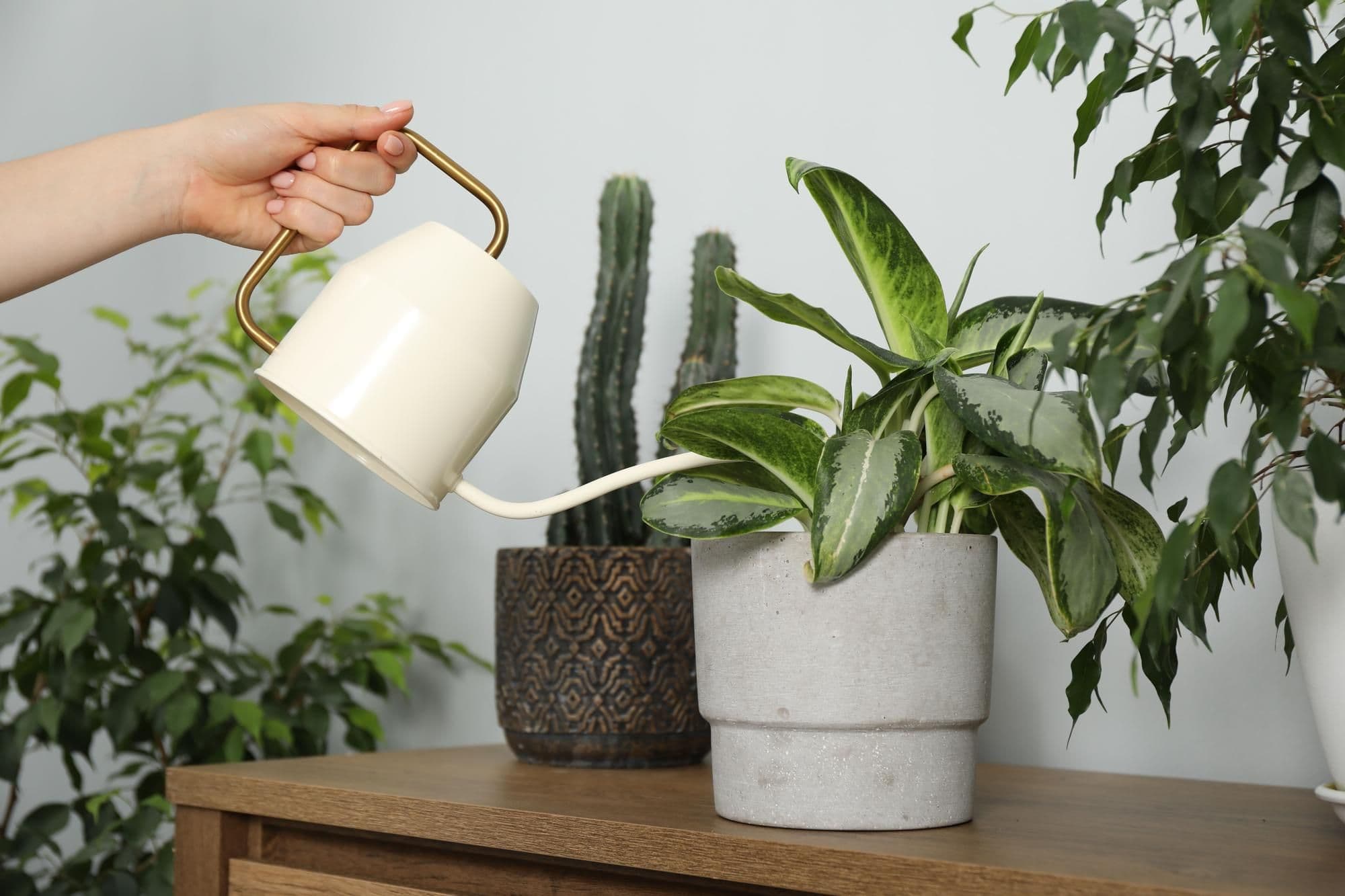
How to Water Houseplants: Watering Guide

7 min read · 24 Aug 2026

How to Water Houseplants: Watering Guide

Learn how often to water indoor plants, key factors for proper watering, and how to adjust the care routine by plant type, season, pot size, light, and indoor conditions.

Plant Care
How to Water Houseplants: Watering Guide
How to Clean Plant Leaves: A Simple Care Guide

6 min read · 4 Aug 2026

How to Clean Plant Leaves: A Simple Care Guide

Dusty leaves look dull and don't absorb light well. Below, you'll find simple ways to clean them, which tools are truly effective, how often you should do it, and what causes damage.

Beginner Guides
How to Clean Plant Leaves: A Simple Care Guide