How to Bottom Water Plants: Complete Guide
Bottom watering helps soil absorb moisture evenly and keeps foliage dry, reducing the risk of missed dry spots or root problems. Place the pot in a tray of water for a short time, then let it drain well.

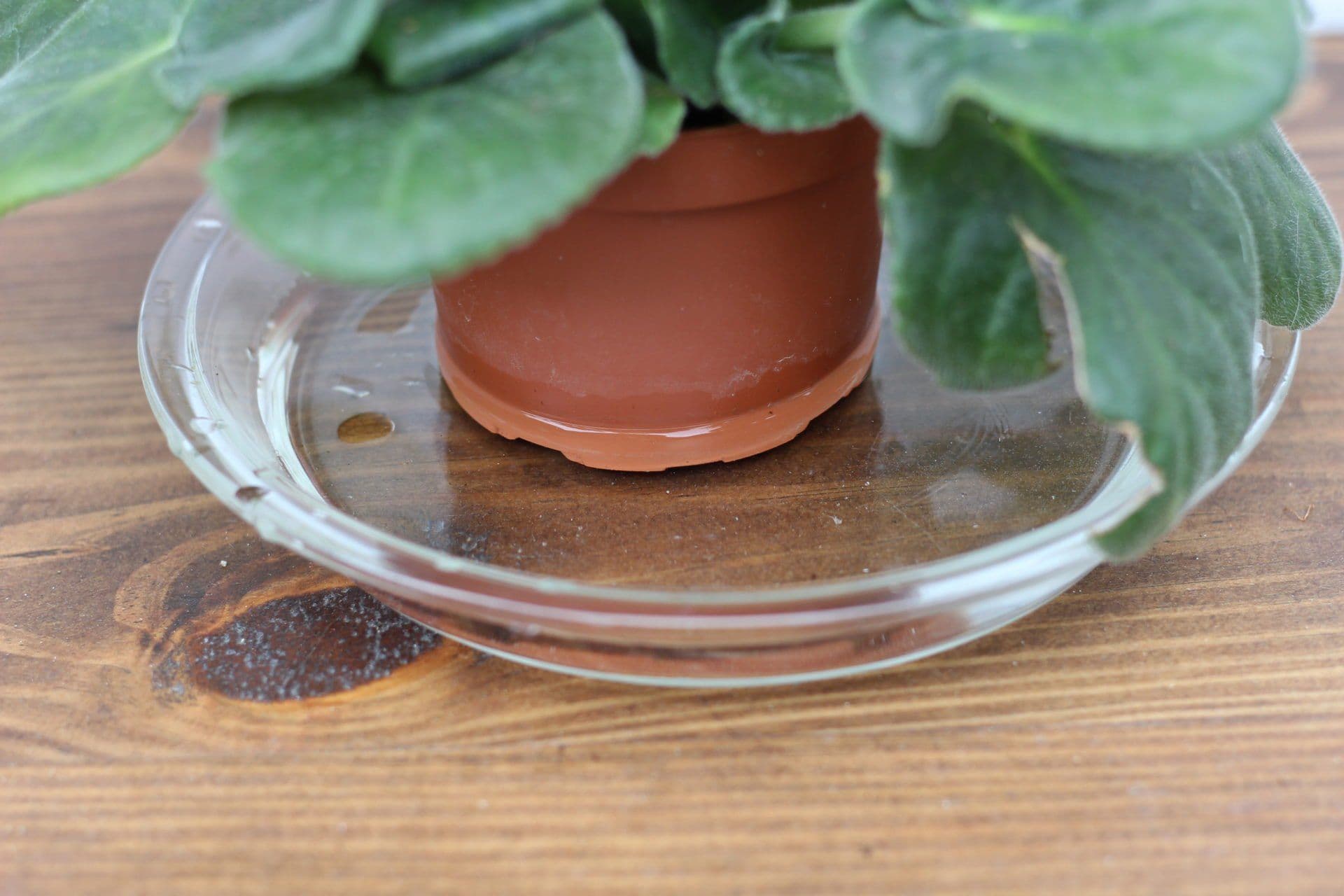
Pouring water on top of your plant is not always the best choice. It also leads to root rot, drying out foliage you'd like to see dry, and missing half the soil. Bottom watering plants solves most of these problems.
You simply place the pot in a tray of water for a while, and the soil absorbs what it needs. That's all. If you don't already know what's in your pot, Botan's houseplant identifier will tell you in about 5-10 seconds.

What Is Bottom Watering?
So, what is bottom watering? It's a technique where the pot drinks through its drainage holes from below instead of from the top. You set the pot in a tray of shallow water, and capillary action pulls the moisture up through the soil.
The roots get a slow, even drink, and the top of the soil stays dry. This process requires three conditions: a pot with drainage holes, well-draining soil (most standard potting mixes have this property), and room-temperature water. Cold liquid from the tap will shock the roots, so give it a little time to reach room temperature first.
Keep Plants Thriving
Get simple care guidance tailored to each plant’s needs in the app
Which Plants Like Bottom Watering
Many houseplants prefer this method to a splash from above. Among them are those that don't like liquid on their leaves, those prone to root rot, and those that don't drink evenly from a top pour. If you want to know which plants like bottom watering, check the following list:
- African Violet (Saintpaulia ionantha) – fuzzy leaves spot up the second they get wet
- Polka Dot Begonia (Begonia maculata) – crown rots if liquid pools at the base
- Peace Lily (Spathiphyllum wallisii) – droops less when moisture is even
- Snake Plant (Dracaena trifasciata) – rhizomes rot in damp topsoil
- Pothos (Epipremnum aureum) – roots drink steadily this way
- Spider Plant (Chlorophytum comosum) – tip burn drops when watering is consistent
- Boston Fern (Nephrolepis exaltata) – dense root ball soaks better from below
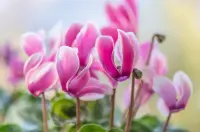
- Cyclamen (Cyclamen persicum) – the corm rots from the top pour
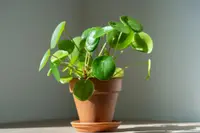
- Chinese Money Plant (Pilea peperomioides) – round leaves catch droplets you don't want
- Calathea (Goeppertia orbifolia) – picky about leaf wetness
- Maidenhair Fern (Adiantum raddianum) – fronds dislike a drenching
- Anthurium (Anthurium andraeanum) – blooms stay clean
- Streptocarpus (Streptocarpus saxorum) – fuzzy foliage stains easily
- Gloxinia (Sinningia speciosa) – tubers go mushy with top water
- Fiddle Leaf Fig (Ficus lyrata) – big root system pulls a lot upward
- ZZ Plant (Zamioculcas zamiifolia) – rhizomes hold their own moisture, so a slow soak suits them
Almost any plant with a sensitive root system or roots that need watering responds well to this technique.
How to Bottom Water Plants: Step by Step
In order to bottom water plants, you don’t need special equipment. A sink, a basin, or even a saucer is enough. Here’s how to bottom water plants without hassle, step by step:
- Use a tray wider than the base of the pot.
- Fill it with about 2-3 centimeters of room-temperature water.
- Place the pot in the tray, making sure the drainage holes are below the liquid level.
- Wait 10 to 30 minutes; larger pots require longer.
- Press your finger into the top 2.5 centimeters of soil — if it's moist, there's enough liquid.
- If the top layer is still completely dry, add more liquid and wait some more.
- Remove the pot and let the liquid drain in the sink before putting it back.
Be careful — if you keep the pot in liquid for too long, the tray underneath will turn into a swamp.

Plants That Don't Need Bottom Watering
This method is less suitable for some potted plants. Most store water in their leaves or grow without soil at all. Here are several popular plants that don’t need bottom watering:
- Echeveria (Echeveria elegans) – holds liquid in its leaves and rots after a long soak
- Cacti (Mammillaria elongata) – want dry stretches between drinks
- Orchids (Phalaenopsis amabilis) – aerial roots prefer a quick rinse
- Air Plants (Tillandsia ionantha) – no soil, no point
- Venus Flytrap (Dionaea muscipula) – needs distilled liquid on top of the media
- Bromeliads (Guzmania lingulata) – drink from the central cup, not the roots
- Jade Plant (Crassula ovata) – another succulent that rots in standing damp
For these plants, it’s best to use the overhead method and allow them to dry out between cycles.
5 Benefits of Bottom Watering Plants
The benefits of bottom watering plants become apparent within a few weeks of switching to this method. Here are some of the most obvious pluses of this technique:
- Promotes Stronger Root Growth. Roots reach down toward the moisture. This creates a deeper root system and allows the plant to better absorb nutrients from the soil. Steady root growth also keeps the plant upright in its pot.
- Prevents Overwatering. The soil absorbs only what it can — once it's full, the process stops. Accidental overwatering becomes virtually impossible.
- Reduces Risk of Root Rot. The top layer of soil dries out between waterings. Root rot fungi require moist conditions to thrive, and overwatering is the main cause.
- Helps Prevent Fungus Gnats. Gnats lay their eggs in the moist top layer of soil. A dry surface interrupts the cycle.
- Ensures Even Soil Moisture. Water absorption involves the whole pot, not just the channels where the liquid reaches the fastest.
This method has a cumulative effect. Plants appear more resilient, have fewer pests, and ultimately suffer fewer deaths.
Not Sure How to Water Your Plant?
Bad watering kills more houseplants than anything else. That's why it's important to choose the right method to ensure your plant thrives and stays healthy. The Botan app helps you select the right technique for your plant. Take a photo, identify the plant, and read the care instructions for that specific species.
The instructions inside the app describe how much liquid the plant requires, which method is best, and give a rough watering schedule. If something seems off and isn't covered in the instructions, you can message the botanist directly through the app.

Bottom Watering vs. Top Watering
Neither method is effective every time. Watering plants from the bottom suits some species, while others require a splash from above. The choice depends on the plant, the season, and the soil it grows in.
Some growers use both methods: bottom watering almost weekly, followed by periodic overhead rinsing to remove salt deposits. Let’s see the difference between these two methods.
Feature | Bottom Watering | Top Watering |
Foliage safety | The leaves are dry | Risk of splashing |
Time required | 10-30 min soak | Quick pour |
Fungus gnat risk | Low | Higher |
Soil moisture | Even throughout | Often patchy |
Salt buildup | Appears over time | Flushes salts out |
Best for | Sensitive crowns, thirsty roots | Cacti, orchids, salt flushing |
FAQ
No. Succulents, cacti, and air plants don't like prolonged soaking because their roots are adapted to drying out between waterings. A top pour or a quick mist suits them better.
Dariia Plaksina
Botanist
5 years of botanical research experience
Dariia Plaksina is a biologist, botanist, and writer of informational articles with over 5 years of experience exploring the world of plants, nature, and biology. She studied at Taras Shevchenko National University of Kyiv, Educational and Scientific Center “Institute of Biology and Medicine,” where she built a strong scientific foundation for her future work.
For Dariia, writing is a hobby, a calling, and a way to make reliable knowledge easier to understand. Her articles focus on plant care, plant health, and natural processes, helping readers learn more about the living world through clear, accessible, and science-based explanations.
Related Articles
5 min read · 28 Sept 2026
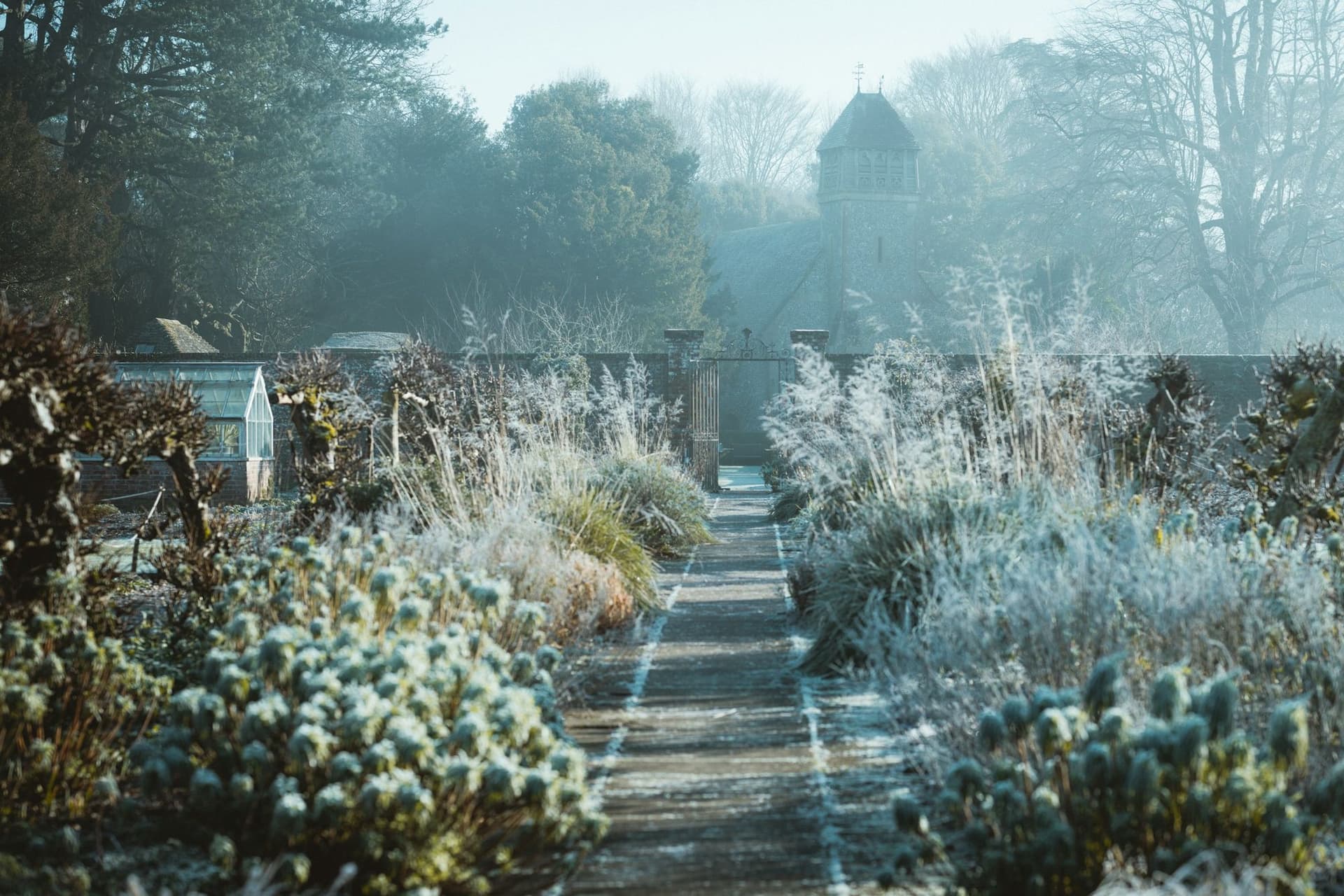
How to Winterize Your Garden in 6 Steps
Learn how to prepare your garden for winter with a practical six-step checklist covering cleanup, tender plant care, watering, mulching, winter protection, and winterizing equipment and containers.
6 min read · 15 Sept 2026
Can Plants Grow With Artificial Light?
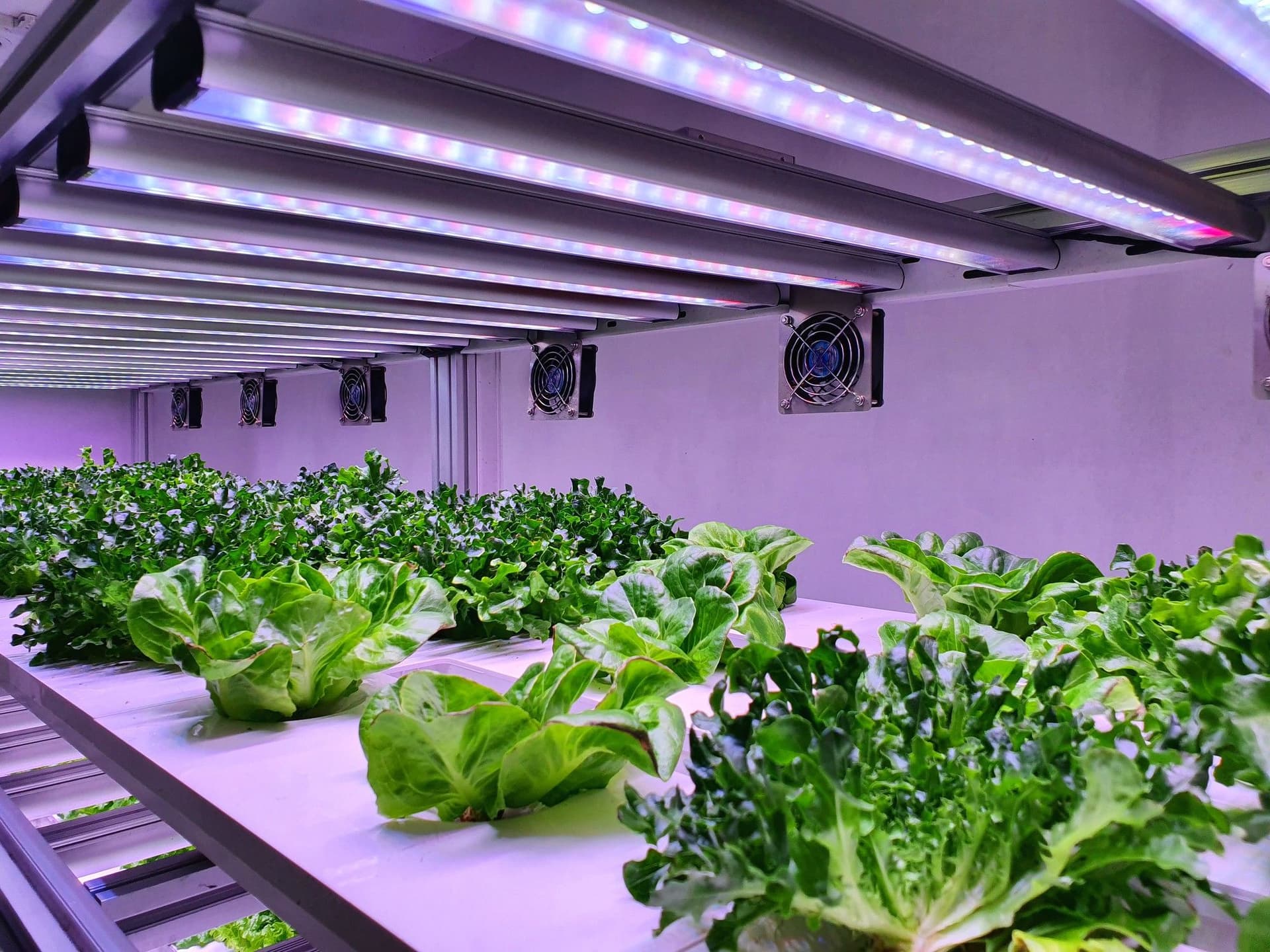
Plants can grow under artificial light when the setup provides a suitable spectrum, enough intensity, and sufficient daily exposure. This guide explains how artificial lighting compares with sunlight, which options work indoors, and how to match a setup to houseplants.
4 min read · 14 Sept 2026
Is Sugar Water Good for Plants?
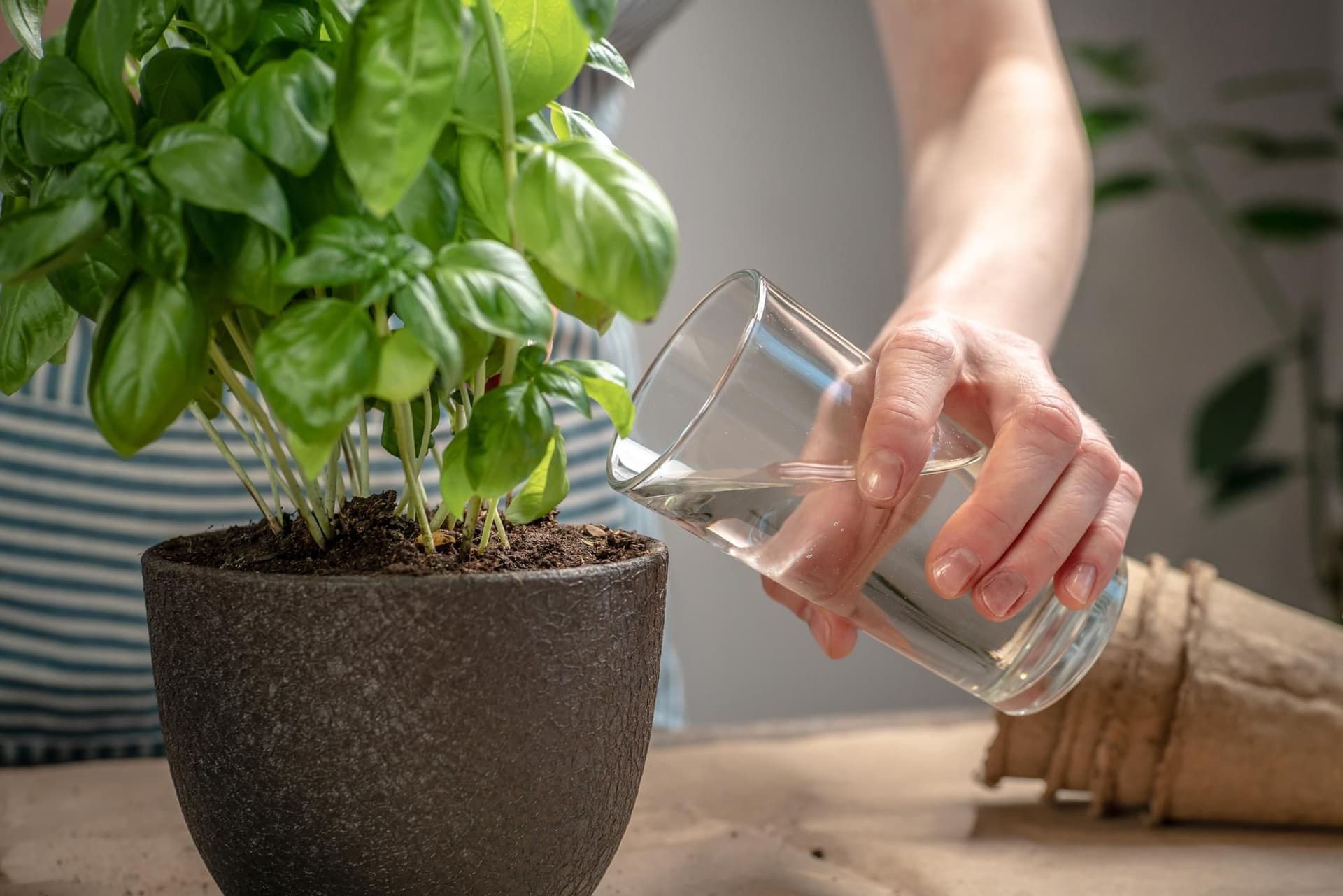
Sugar water may sound like an easy boost, but most rooted plants do not need extra sucrose. This guide explains how green tissues produce carbohydrates, when a sweetened solution can be useful, and why too much can cause problems.
Explore Plants by Care Needs
Identify the plant and problem. Help your plant recover
Identify plant problems early, understand what's wrong, and get clear care guidance. Botan helps you turn guesswork into confident plant care