Is Sugar Water Good for Plants?
Sugar water may sound like an easy boost, but most rooted plants do not need extra sucrose. This guide explains how green tissues produce carbohydrates, when a sweetened solution can be useful, and why too much can cause problems.

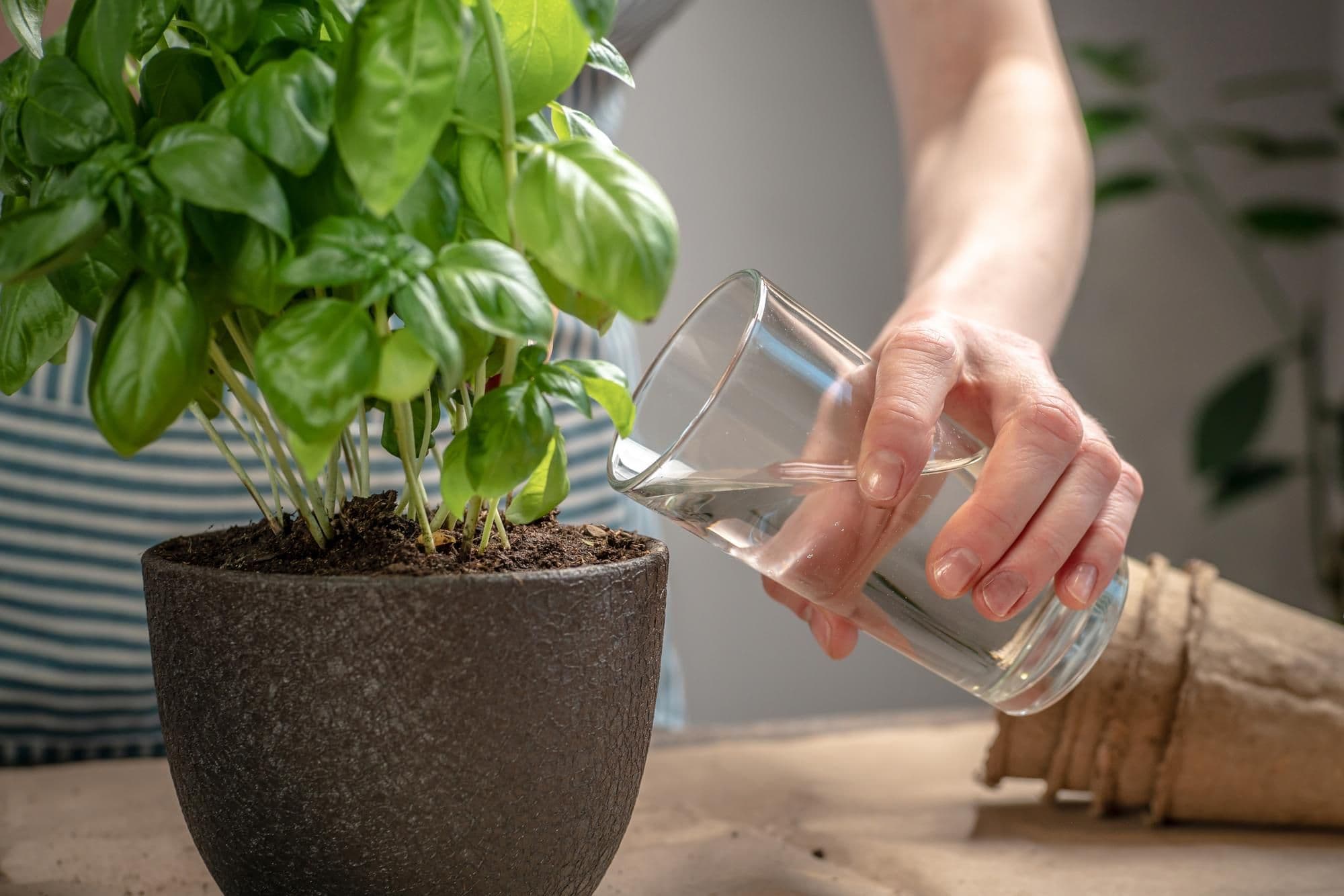
Is sugar water good for plants? For most rooted species, the answer is no. Green tissues produce the carbohydrates they need through photosynthesis. Botan lets you review care needs before you try a homemade remedy that may not suit the species.
Does Sugar Water Help Plants Grow?
A sweetened solution does not normally make rooted plants grow faster. They need carbohydrates, but produce them themselves. During photosynthesis, leaves use light, water, and carbon dioxide to produce glucose and other sugars.
Is sugar good for plants? They rely on carbohydrates produced internally, while added sucrose does not replace mineral nutrition. The solution is not a substitute for fertilizer because it lacks nutrients such as nitrogen, phosphorus, and potassium, which roots absorb from the growing medium.

Identify Your Plant’s Problem
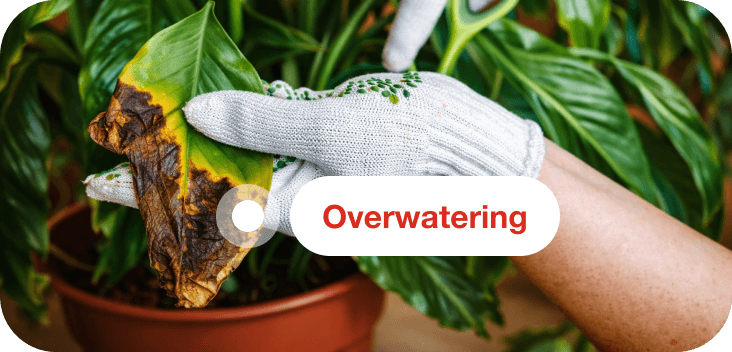
Scan with Botan for an instant diagnosis — 98%+ accuracy
Can Sugar Water Harm Plants?
Repeated use of a sweetened solution, or leaving it around stems or roots, can cause problems. Table sugar does not supply the mineral nutrients needed, so it does not correct issues caused by poor watering or inadequate feeding.
A sweetened solution can also encourage mold growth. Adding sucrose or sweetened drinks to water for holiday trees may lead to mold growth that can clog water-conducting tissue. For routine care, plain water remains the safer choice.
When Can Sugar Water Be Useful for Plants?
Cut flowers are the clearest case in which added sucrose can be useful. In a floral preservative, carbohydrates serve as an energy source, while other ingredients help lower pH and limit bacterial growth. Complete flower-food formulas can therefore be more effective than homemade mixtures, so a simple sweetened solution should not be treated as an equivalent replacement.
Rooted houseplants and garden plants are different: they produce carbohydrates through photosynthesis and take up mineral nutrients through their roots. For routine care, water and species-appropriate fertilizer are more suitable than adding sucrose to the soil.
Situation | Role of Added Sugar | Recommended Approach |
Cut flowers with commercial flower food | Provides carbohydrates as part of a complete preservative | Follow the product directions |
Cut flowers in a homemade sweetened solution | Provides carbohydrates but lacks the other preservative components | Prefer commercial flower food |
Rooted houseplants | Carbohydrates are already produced through photosynthesis | Use appropriate watering and fertilizer |
Garden plants | Extra carbohydrates are not needed | Follow normal care and feeding needs |

Signs Your Plant May Be Harmed by Sugar Water
There is no single symptom that proves the mixture caused damage. If decline begins after repeated applications, stop using it and check for persistent wilting, slow growth, yellowing or dropping leaves, and dark or limp roots. These signs can also result from overwatering, overfertilization, root rot, or other care problems.
If you are not sure which plant you have, start with Botan’s leaf identification tool, then compare its specific care requirements with the conditions you provide. Mold forming in the mixture is another reason to discontinue it. Return to plain water, check drainage and light, and review how to water houseplants before adding fertilizer or trying another treatment.
Not Sure What Your Plant Needs?
Check symptoms and get care guidance
How to Make Sugar Water for Plants
Because this mixture is not recommended for routine care, the recipe is for cut flowers only. A simple homemade preservative can be made with fresh water, vinegar, and sucrose.
- Measure 1 liter of water into a clean vase or container.
- Pour in 1 tablespoon of vinegar, then add 1 teaspoon of sugar.
- Mix until the sugar dissolves before placing the cut flowers in the vase.
A homemade preservative is unlikely to be as effective as commercial cut-flower food, which also contains an antibacterial treatment. Replace the vase solution every two to four days, and do not use this mixture for rooted houseplants.

What to Use Instead of Sugar Water
Instead of adding sweeteners, focus on the basics that support healthy growth. If growth declines, correct the care issue first.
- Use plain water for routine care.
- Fertilizer when feeding is needed.
- Enough light for photosynthesis.
- Good drainage if the root zone stays wet.
Check Botan’s plant care recommendations for species-specific needs; plants make their own sugars and absorb mineral nutrients through their roots. The right balance of light, drainage, and feeding matters more than adding sweeteners.
For a simpler routine, explore low-maintenance plants with easier day-to-day care.
FAQ
Using sugar for plants is not a reliable feeding method. Do plants like sugar water? Most rooted plants have no routine need for it. They produce simple carbohydrates through photosynthesis and absorb mineral nutrients through their roots. A sweetened solution cannot replace appropriate watering or fertilizer.
Alex Yar
Plant Expert
7+ years of experience studying plants, researching their diseases, and examining their characteristics.
Alex is a plant expert and writer with more than 7 years of experience studying plants, their growing requirements, and their responses to environmental conditions. His areas of expertise include plant care, disease recognition, stress diagnosis, pest-related problems, and the distinctive characteristics of different species.
Over the years, Alex has developed a strong practical understanding of how light, temperature, humidity, watering, soil conditions, and nutrition affect plant health. He combines careful observation with in-depth research to explain effective care and recovery methods.
Alex has extensive hands-on experience caring for houseplants. His articles translate complex botanical topics into clear guidance that helps you better understand your plants and recognize early warning signs.
Related Articles
6 min read · 15 Sept 2026
Can Plants Grow With Artificial Light?
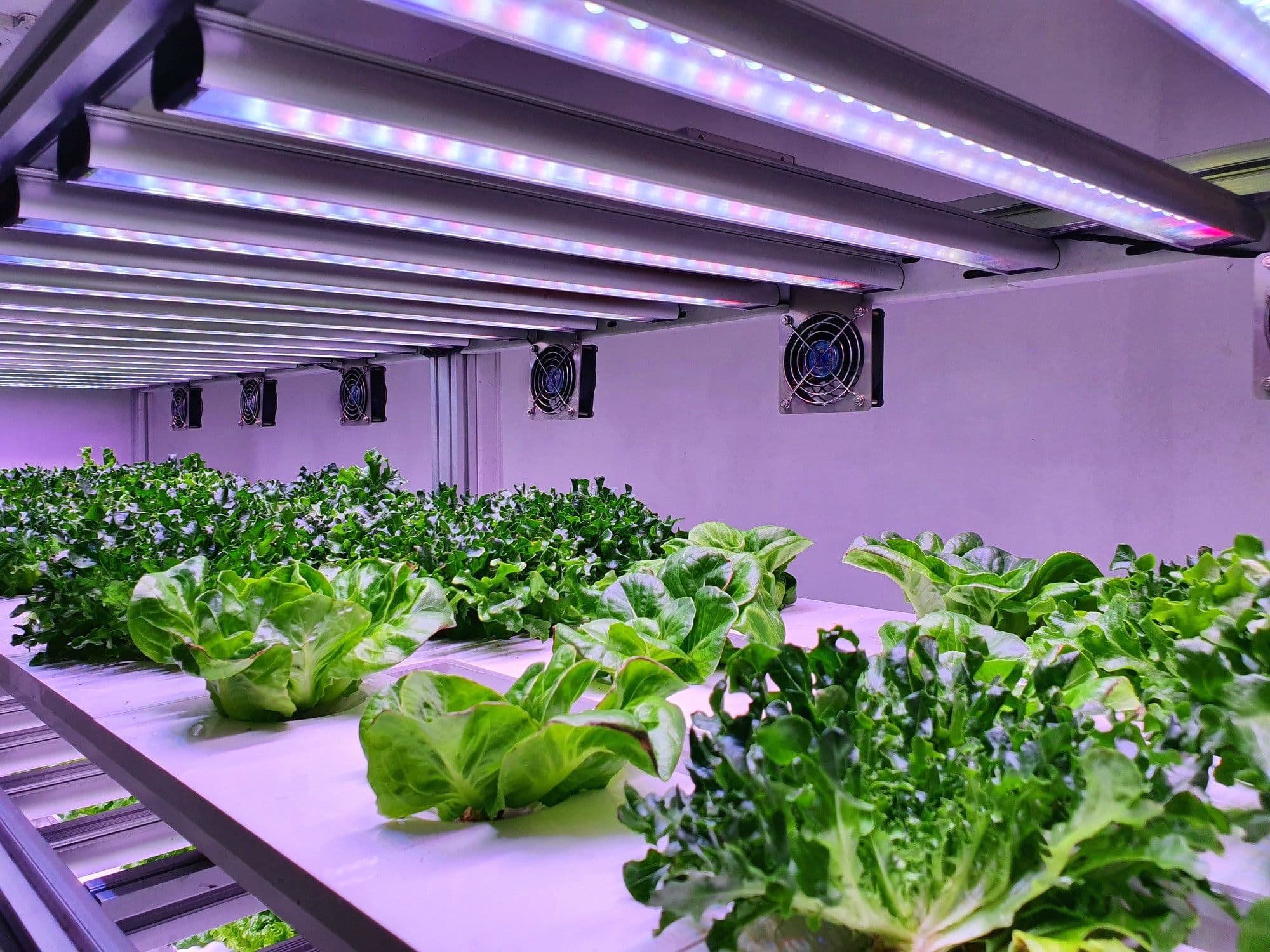
Plants can grow under artificial light when the setup provides a suitable spectrum, enough intensity, and sufficient daily exposure. This guide explains how artificial lighting compares with sunlight, which options work indoors, and how to match a setup to houseplants.
6 min read · 1 Sept 2026
How To Revive a Dying Plant: 6 Steps To Bring A Plant Back To Life
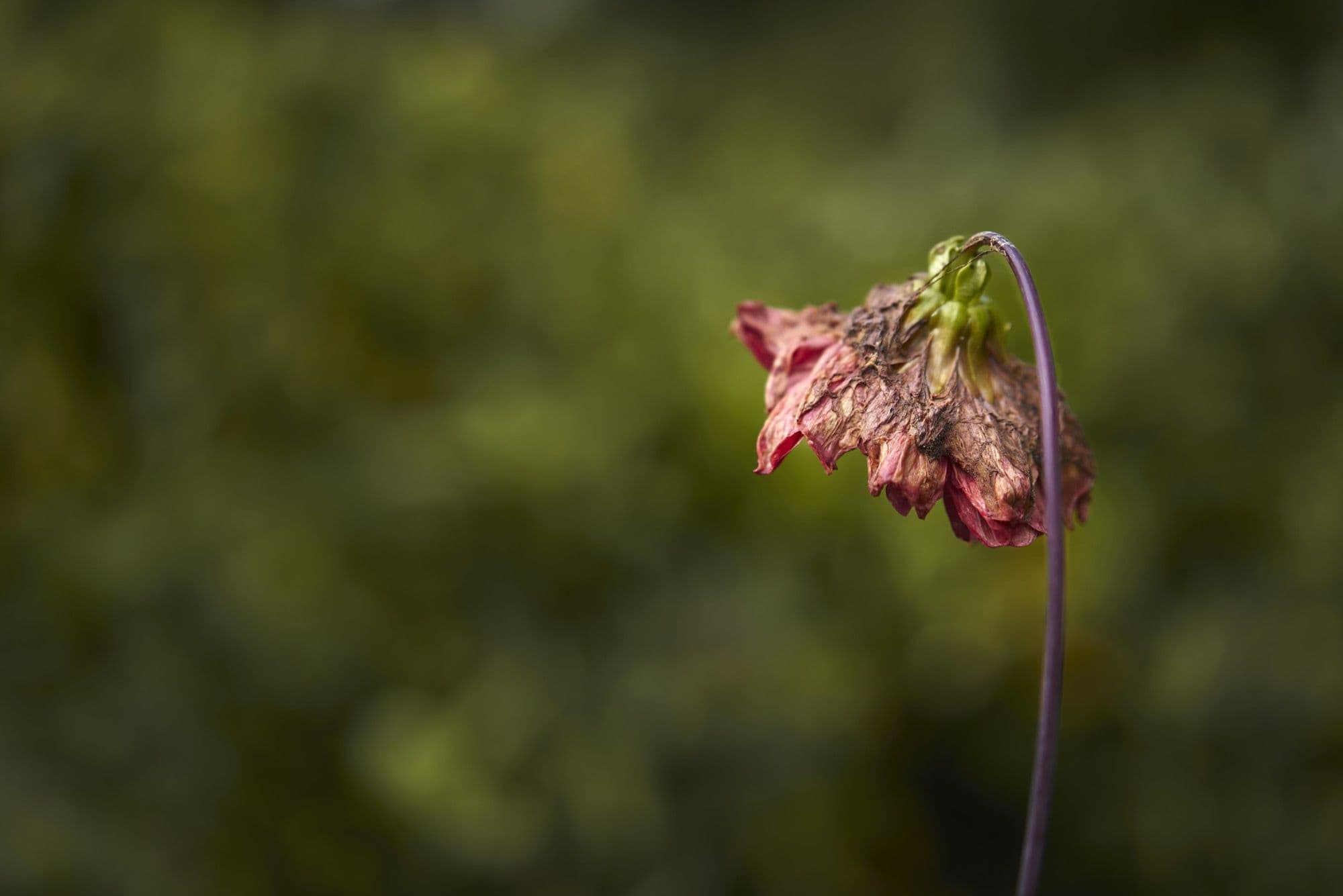
Drooping leaves and brown tips don't always mean the end, and a weakened plant can often recover with a little help. These six simple steps will help you revive a dying plant and restore its health.

8 min read · 31 Aug 2026
How to Group Plants in Landscaping: A Practical Layout Guide
Good plant grouping can mean the difference between a well-planned garden and one that looks sloppy. This guide explores layers, spacing, cluster shapes, and the plants that thrive when you group them.
Explore Plants by Care Needs
-1-200x150.webp) POPULAR
POPULARCreeping Fig
Ficus pumila
 POPULAR
Spider Plant
Chlorophytum comosum
 POPULAR
Pink Jasmine
Jasminum polyanthum
 POPULAR
Philodendron Cobra
Monstera standleyana
 POPULAR
Cliff Cotyledon
Cotyledon pendens
 POPULAR
Philodendron mayoi
Philodendron mayoi
 POPULAR
Silver Monstera
Monstera siltepecana
 POPULAR
Macodes petola
Macodes petola
Identify the plant and problem. Help your plant recover
Identify plant problems early, understand what's wrong, and get clear care guidance. Botan helps you turn guesswork into confident plant care