



Low-Maintenance Plants
Explore low-maintenance plants that make gardening simple. These species require minimal effort in homes or gardens.
Find Plants by Letter
 POPULAR
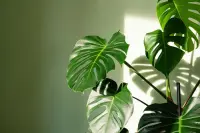
Monstera
Monstera deliciosa
 POPULAR
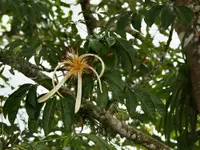
Money Tree
Pachira aquatica
 POPULAR
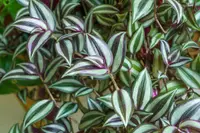
Wandering Jew
Tradescantia zebrina
 POPULAR
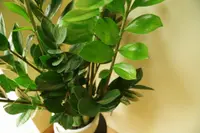
ZZ Plant
Zamioculcas zamiifolia
 POPULAR
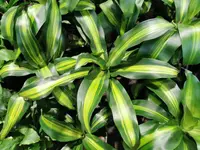
Corn Plant
Dracaena fragrans
 POPULAR
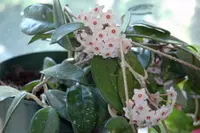
Wax Plant
Hoya carnosa
 POPULAR
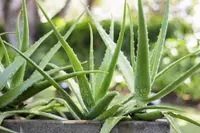
Aloe
Aloe vera
 POPULAR
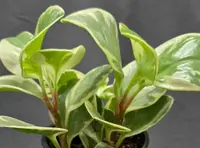
Baby Rubberplant
Peperomia obtusifolia
 POPULAR
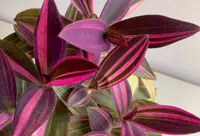
Purple Heart
Tradescantia pallida
 POPULAR
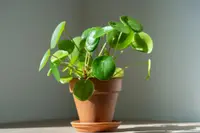
Chinese Money Plant
Pilea peperomioides
 POPULAR
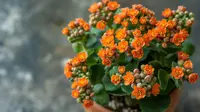
Flaming Katy
Kalanchoe blossfeldiana
 POPULAR
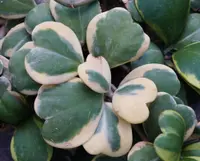
Hoya Hearts
Hoya kerrii
 POPULAR
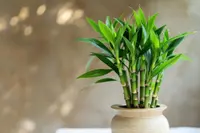
Lucky Bamboo
Dracaena sanderiana
 POPULAR
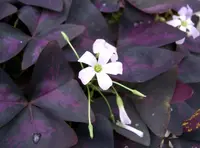
False Shamrock
Oxalis triangularis
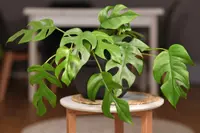 POPULAR
Mini Monstera
Rhaphidophora tetrasperma
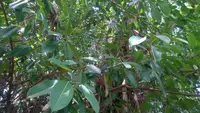 POPULAR
Rubber Tree
Ficus elastica
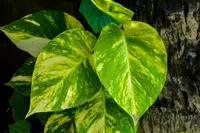 POPULAR
Golden Pothos
Epipremnum aureum
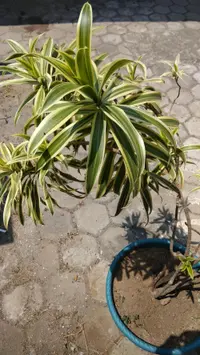 POPULAR
Song of India
Dracaena reflexa
 POPULAR
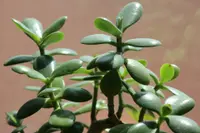
Jade plant
Crassula ovata
 POPULAR
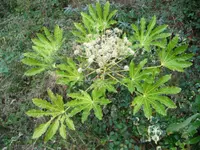
Japanese aralia
Fatsia japonica
 POPULAR
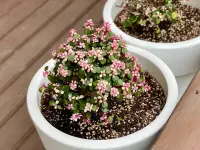
Elephant Bush
Portulacaria afra
 POPULAR
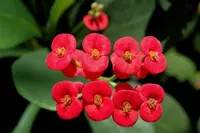
Crown-of-thorns
Euphorbia milii
 POPULAR
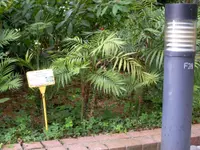
Parlor Palm
Chamaedorea elegans
 POPULAR
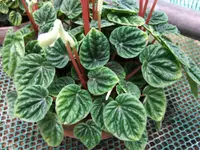
Emerald-Ripple Peperomia
Peperomia caperata
What Are Low-Maintenance Plants
Low-maintenance is not a single characteristic. It’s a combination of traits that make a plant easy to care for. The first and key criterion is drought tolerance, and many succulents and cacti (Aloe vera, Jade plant, and many others) fit it perfectly. The most resilient species adapt to different light conditions, and that’s often the case for forest varieties like the ZZ plant.
Easy-care plants are also expected to be resistant to both pests and diseases (root rot, fungal or bacterial infections). Many gardeners also select species that are quite self-sufficient in terms of shape and structure and require no pruning. Another factor is low fertilizer needs, and in this regard, varieties that evolved in nutrient-poor soil are the champions.
However, the most resilient species are the ones that adapt to most conditions quite easily and can tolerate a wide range of temperatures and different lighting, such as bunny ears or pothos.
Easy Care Plants that Fit Every Space
Still, though resilient species can tolerate many conditions, you need to choose the plant that fits yours the best. For instance, succulents are drought-tolerant, but you can overwater them. Even light-tolerant ones can’t always stand prolonged hours of full shade. Drainage is essential for all types.
There are easy-care options across all categories. If you’re looking for low-light indoor species, you can choose golden pothos. Succulent varieties are some of the low-maintenance plants for bright outdoor spaces. For shade outdoors, species like Japanese aralia work perfectly, while succulents are compatible with sunny outdoor spots.
Signs Low-Maintenance Plants Are Your Perfect Fit
Such easy options are ideal for beginners, great for busy gardeners, and perfect for those who travel frequently. They're also irreplaceable for those with difficult light conditions or low humidity in their homes or apartments.
If you’d like to learn more about the species that will suit you best, browse plant profiles from the list above. That way, you can check the environmental conditions and special needs, and enjoy your undemanding garden.