



Savanna Plants List
Discover plants adapted to warm climates with seasonal rainfall and open landscapes. Here are collected hardy grasses, flowering plants, shrubs, and trees.
Find Plants by Letter
 POPULAR
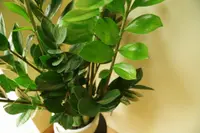
ZZ Plant
Zamioculcas zamiifolia
 POPULAR
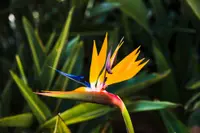
Giant White Bird of Paradise
Strelitzia nicolai
 POPULAR
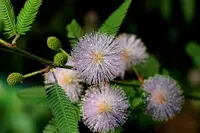
Sensitive Plant
Mimosa pudica
 POPULAR
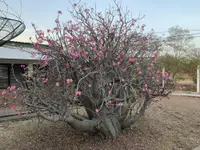
Desert Rose
Adenium obesum
 POPULAR
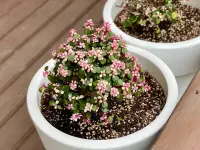
Elephant Bush
Portulacaria afra
 POPULAR
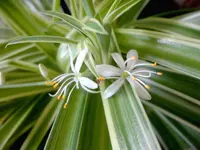
Spider Plant
Chlorophytum comosum
 POPULAR
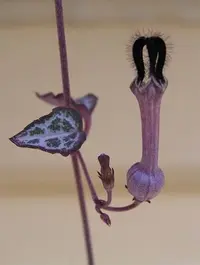
Rosary Vine
Ceropegia woodii
 POPULAR
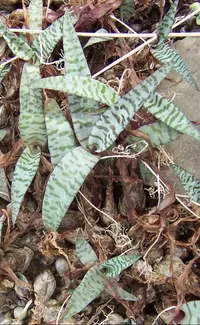
Silver squill
Ledebouria socialis
 POPULAR
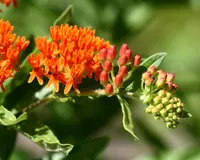
Butterfly weed
Asclepias tuberosa
 POPULAR
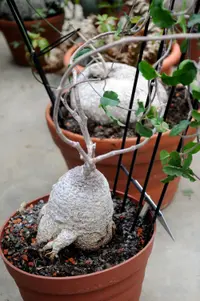
Hottentot Bread
Fockea edulis
 POPULAR
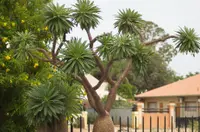
Madagascar palm
Pachypodium lamerei
 POPULAR
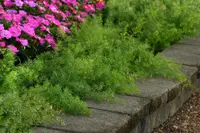
Cwebe asparagus fern
Asparagus densiflorus
 POPULAR
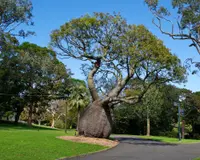
Queensland bottle tree
Brachychiton rupestris
 POPULAR
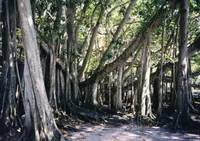
Cushion Aloe
Ficus benghalensis
 POPULAR
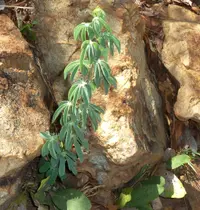
Blue leaf elephant foot
Adenia glauca
 POPULAR
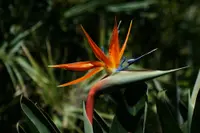
Bird of paradise plant
Strelitzia reginae
 POPULAR
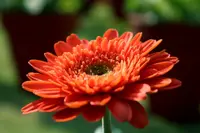
Gerbera daisy
Gerbera jamesonii
 POPULAR
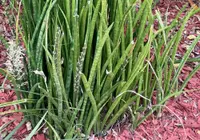
Cylindrical snake plant
Dracaena angolensis
 POPULAR
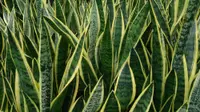
Snake plant
Dracaena trifasciata
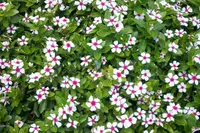
Madagascar Periwinkle
Catharanthus roseus
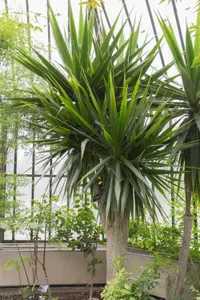
African Dragon Tree
Dracaena arborea
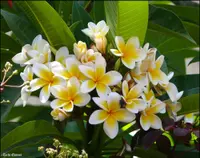
Mexican Plumeria
Plumeria rubra
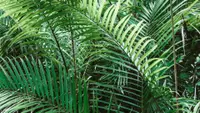
Areca Palm
Dypsis lutescens
 POPULAR
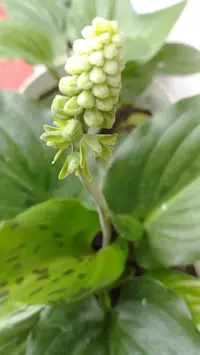
African False Hosta
Drimiopsis maculata
Savanna Plants: Unique Due to The Adaptation Strategy
We know at least some of the iconic savanna plants’ names, like Acacia spirorbis, baobab, Elephant grass, Red oat, and Bermuda grass. Savanna plants in general can be divided into drought-resistant grasses and scattered trees. They form a balanced ecosystem, using different water depths. Fires and animals don’t allow either of them to take over.
This entire category is defined and shaped by a combination of stresses. These are seasonal droughts, poor and toxic soils, extreme temperatures, and periodic fires. To resist them, trees developed deep taproots, deciduous habits, thick bark, and small and leathery leaves. Grasses developed deep root systems and dormancy mechanisms.
The Geographic Diversity of the Species
The full savanna plants’ list would include thousands of species. The group diversity is wide, but we can still categorize them by their geography. African, South American (Cerrado), and Australian savannas are built around their own very specific types of threats.
In Africa, these are mammals, so the plants are built not to be eaten. For example, African acacia trees have a flat canopy, small leaflets, and thorns. In the Cerrado, plants resist toxic soils and fire.
That’s why its species, such as pau-terra or murici, may have twisted trunks, furrowed corky bark, and large, rough leaves. For Australian savannas, the main challenge is fire, which is why many trees are tall and straight, with vertical leaves.
You can see the diverse savanna plants’ names and pictures above, and learn more about every group by discovering both common and rare species and their environmental requirements.