





Air-Purifying Plants
Discover air-purifying plants that create a fresher and more inviting indoor environment. Browse species known for their lush foliage and find the perfect addition to your home or office.
Find Plants by Letter
 POPULAR
Monstera
Monstera deliciosa
 POPULAR
Fiddleleaf Fig
Ficus lyrata
 POPULAR
ZZ Plant
Zamioculcas zamiifolia
 POPULAR
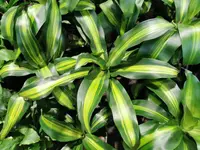
Corn Plant
Dracaena fragrans
 POPULAR
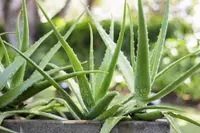
Aloe
Aloe vera
 POPULAR
Weeping Fig
Ficus benjamina
 POPULAR
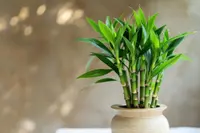
Lucky Bamboo
Dracaena sanderiana
 POPULAR
Rubber Tree
Ficus elastica
 POPULAR
Golden Pothos
Epipremnum aureum
 POPULAR
Song of India
Dracaena reflexa
 POPULAR
Parlor Palm
Chamaedorea elegans
 POPULAR
Arrowhead Vine
Syngonium podophyllum
 POPULAR
Chinese Banyan
Ficus microcarpa
 POPULAR
English Ivy
Hedera helix
 POPULAR
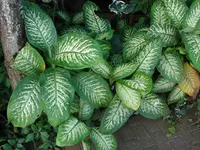
Dumbcane
Dieffenbachia seguine
 POPULAR
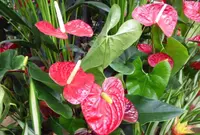
Flamingo Flower
Anthurium andraeanum
 POPULAR
Blushing Philodendron
Philodendron erubescens
 POPULAR
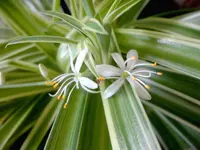
Spider Plant
Chlorophytum comosum
 POPULAR
Heartleaf philodendron
Philodendron hederaceum
 POPULAR
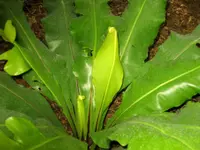
Bird's nest ferns
Asplenium nidus
 POPULAR
Centipede tongavine
Epipremnum pinnatum
 POPULAR
Peace Lily
Spathiphyllum wallisii
 POPULAR
Cast Iron Plant
Aspidistra elatior
 POPULAR
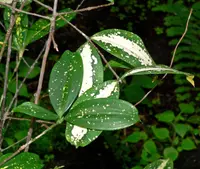
Gold dust dracaena
Dracaena surculosa
How Exactly Plants Filter Air
We encounter many pollutants in everyday life. These include formaldehyde released by furniture and flooring, benzene released by paints and varnishes, and trichloroethylene released by paints and cleaning products. That’s when air-purifying plants come into play, absorbing them through a natural process called phytoremediation.
Pores on the leaf surface (stomata) absorb pollutants and break them down into safe byproducts, such as CO₂ and water. Roots feed soil microbes that break down formaldehyde, benzene, and other pollutants into harmless compounds. Leaves, especially hairy or waxy ones, physically trap dust, smoke, or tiny pollution particles.
These filtering mechanisms were researched and confirmed by NASA. Moreover, the study has shown that roots and soil play the largest role in the process, acting as a living filter from microbes.
Best Species for Every Room & Any Light Conditions
The list of air-purifying plants isn’t random. It includes species with large, highly porous leaves and roots that attract the most “effective” bacteria that break down pollutants very quickly. They aren’t exotic or rare, and you can definitely choose the species that would suit your space perfectly.
Snake plant, Peace lily, Chinese evergreen, and pothos tolerate low light and can be placed in bedrooms, hallways, and north-facing rooms. Species like Spider plant grow well in medium indirect light and are well-suited to living rooms and offices.
Areca palm needs bright yet indirect light and is well-suited to east- or west-facing rooms. Boston fern thrives in high-humidity rooms and is compatible with bathrooms and kitchens.
How Effective Are Air-Purifying Plants?
Plants do absorb harmful chemicals and then release harmless compounds. That’s a proven fact. However, the main scientific debate focuses on the magnitude of that effect in everyday spaces. In this regard, plants are less effective filters than natural ventilation or air purifiers.
Still, greenery in your room comes with a broader set of combined benefits. It’s proven to reduce stress, increase humidity, improve mood, productivity and cognitive performance, and reduce background noise levels. Find the best air-purifying indoor plants with names right on this page, and enjoy all these and many more positive effects.