



Slow-Growing Plants
Explore plants that reward patience with graceful ornamental value. These species are perfect for gardeners who appreciate enduring beauty.
Find Plants by Letter
 POPULAR
ZZ Plant
Zamioculcas zamiifolia
 POPULAR
Corn Plant
Dracaena fragrans
 POPULAR
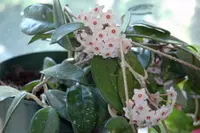
Wax Plant
Hoya carnosa
 POPULAR
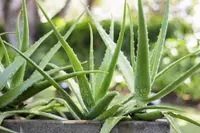
Aloe
Aloe vera
 POPULAR
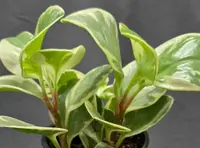
Baby Rubberplant
Peperomia obtusifolia
 POPULAR
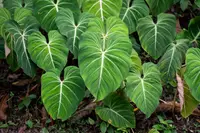
Philodendron gloriosum
Philodendron gloriosum
 POPULAR
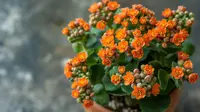
Flaming Katy
Kalanchoe blossfeldiana
 POPULAR
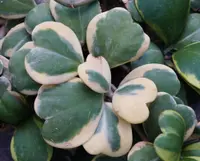
Hoya Hearts
Hoya kerrii
 POPULAR
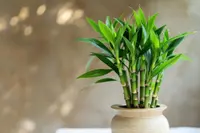
Lucky Bamboo
Dracaena sanderiana
 POPULAR
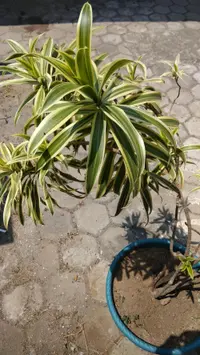
Song of India
Dracaena reflexa
 POPULAR
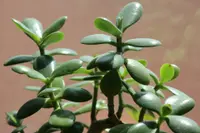
Jade plant
Crassula ovata
 POPULAR
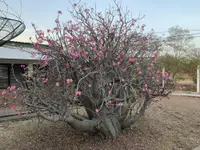
Desert Rose
Adenium obesum
 POPULAR
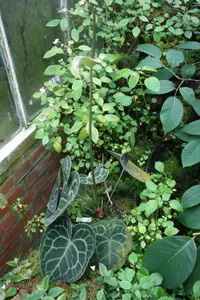
Anthurium clarinervium
Anthurium clarinervium
 POPULAR
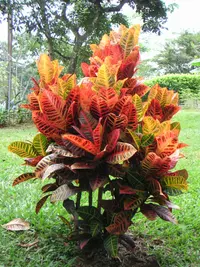
Garden croton
Codiaeum variegatum
 POPULAR
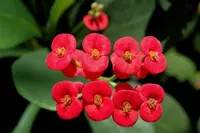
Crown-of-thorns
Euphorbia milii
 POPULAR
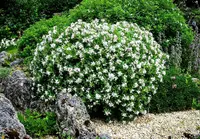
Cape jasmine
Gardenia jasminoides
 POPULAR
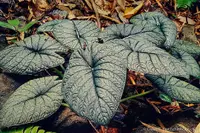
Alocasia melo
Alocasia melo
 POPULAR
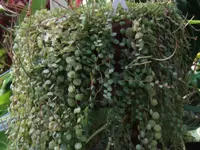
String of Turtles
Peperomia prostrata
 POPULAR
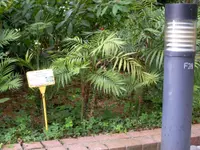
Parlor Palm
Chamaedorea elegans
 POPULAR
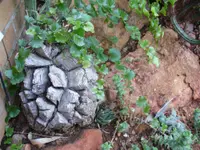
Elephant's Foot Plant
Dioscorea elephantipes
 POPULAR
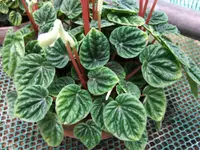
Emerald-Ripple Peperomia
Peperomia caperata
 POPULAR
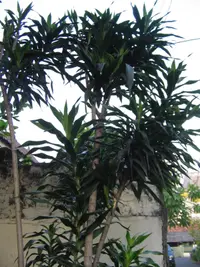
Suji
Dracaena angustifolia
 POPULAR
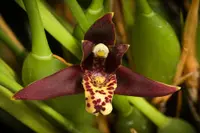
Coconut orchid
Maxillaria tenuifolia
 POPULAR
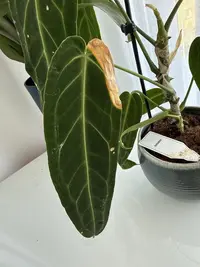
Queen Anthurium
Anthurium warocqueanum
What Makes a Plant a Slow Grower
The name of this category speaks for itself. It refers to plants that grow more slowly than other species in their group or in a similar environment. The slow growth rate, however, is relative.
For example, a Japanese maple can add 6-12 inches per year, while a Jade plant can grow only 2-4 inches per year. A Saguaro cactus can grow just 1 inch during the first decade of its life. So, it’s all about the comparison within a group.
There are specific factors that cause slow growth. First, it’s genetics — such species are built to form structures more slowly but make them more durable. Second, slow-growers are adapted to low light, water, and nutrient availability.
That’s why they store energy instead of using it for quick growth, build denser, tougher tissue and larger roots, and limit active growth to survive environmental stress.
Real Benefits & Use Cases of Slow-Growing Plants
Such biology, however, offers multiple benefits instead of just a satisfying and visible growing process. They require less frequent pruning, repotting, and overall maintenance, are well-suited to smaller spaces and containers, and aren’t as invasive as fast-growers, like Arrow bamboo or Callery pear.
They are also much more resistant to pest damage and disease and have a longer lifespan compared to faster-growing species.
The category includes a great variety of species like aloe vera, desert rose, Flaming Katy, crown-of-thorns, and many more common and rare species. You can access the wide selection of them right on this page and find all the information on each of the slow-growing plants.