



Fragrant Plants
Look at a collection of fragrant plants to add pleasant scents to your space. Discover aromatic favorites for gardens, patios, balconies, and indoor spaces.
Find Plants by Letter
 POPULAR
Corn Plant
Dracaena fragrans
 POPULAR
Wax Plant
Hoya carnosa
 POPULAR
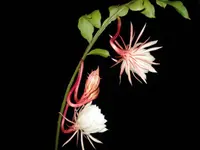
Queen of The Night
Epiphyllum oxypetalum
 POPULAR
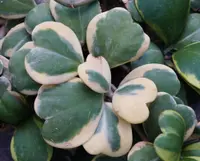
Hoya Hearts
Hoya kerrii
 POPULAR
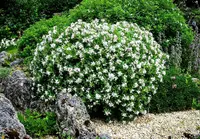
Cape jasmine
Gardenia jasminoides
 POPULAR
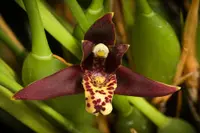
Coconut orchid
Maxillaria tenuifolia
 POPULAR
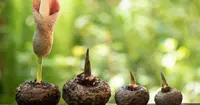
Devil's Tongue
Amorphophallus konjac
 POPULAR
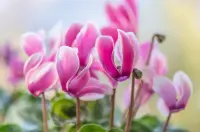
Cyclamen
Cyclamen persicum
 POPULAR
Hoya linearis
Hoya linearis
 POPULAR
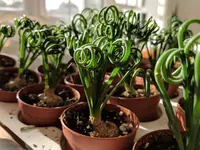
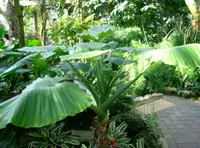
Curly Tamarak
Albuca spiralis
 POPULAR
Asian Taro Plant
Alocasia odora
 POPULAR
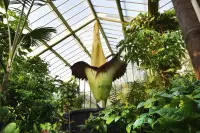
Corpse Flower
Amorphophallus titanum
 POPULAR
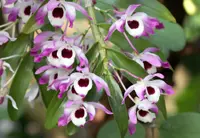
Noble Dendrobium
Dendrobium nobile
 POPULAR
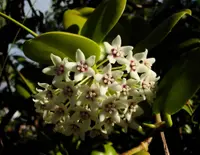
Hoya
Hoya australis
 POPULAR
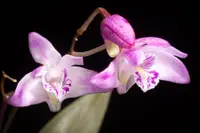
Pink Rock Orchid
Dendrobium kingianum
 POPULAR
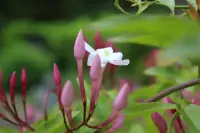
Pink Jasmine
Jasminum polyanthum
 POPULAR
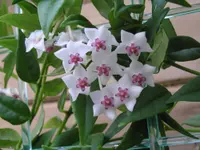
Miniature wax plant
Hoya bella
 POPULAR
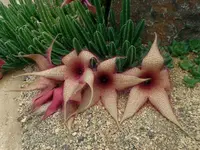
Carrion plant
Stapelia gigantea
 POPULAR
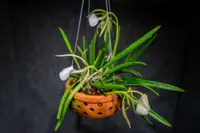
Lady of the Night Orchid
Brassavola nodosa
 POPULAR
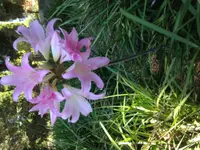
Naked Lady plants
Amaryllis belladonna
 POPULAR
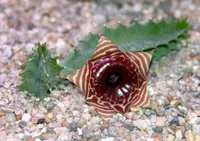
Lifesaver Plant
Huernia zebrina
 POPULAR
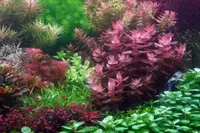
Lemon bacopa
Bacopa caroliniana
 POPULAR
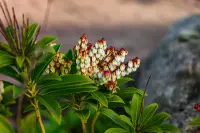
Japanese pieris
Pieris japonica
 POPULAR
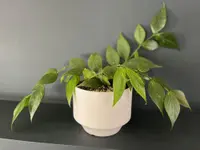
Fishtail Hoya
Hoya polyneura
Science Behind Plant Fragrance
Some shrubs, vines, and flowers produce volatile chemical compounds that we detect as scent. The range of fragrances serves specific purposes. The primary reason is attracting pollinators. For example, fresh, sweet, or slightly anise-like fragrances are for bees. Lighter, more delicate scents attract butterflies. Musty and yeasty scents draw beetles, etc.
Also, these scents help fragrant plants repel insects, fungi, and browsing animals and even suppress the germination of other plants. The intensity varies greatly. Tuberose, Tahitian gardenia, and oriental lilies can easily scent a large space. Lilac, sweet pea, and roses are in the mid-range, while orchids have rather subtle fragrance.
The intensity will also depend on the part of the plant that releases scent. Flowers are the dominant source. Foliage produces low- to mid-intensity fragrance, often released only when the leaf is physically damaged. The same applies to bark, though at lower intensity.
How to Choose Fragrant Plants for Your Garden
The right placement will depend on the airflow and proximity to where you usually linger. Most plants work best near doors, windows, or outdoor seating areas. Night-scented species are usually planted below the bedroom window.
Also, consider the season. Witch hazel and Winter daphne can provide winter and early-spring scent. Spring is a perfect time for most bulb fragrances from hyacinths and narcissus. Summer is the richest season for most species, while autumn offers sweet autumn clematis, salvias, and heliotrope.
Remember that scent attracts pollinators. For example, French lavender will attract a lot of bees from late May through August. That's definitely worth keeping in mind when choosing the species, and you can find this and other information on the Botan fragrant plants list above.