

Alpine Plants List
Read about alpine plants adapted to cool mountain climates and rocky landscapes. They bring natural beauty to rock gardens and outdoor spaces.
Find Plants by Letter
 POPULAR
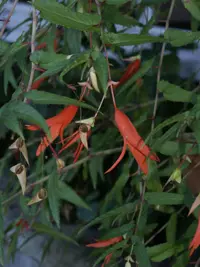
Bolivian begonia
Begonia boliviensis
 POPULAR
Cliff maids
Lewisia cotyledon
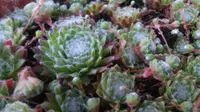
Cobweb Houseleek
Sempervivum arachnoideum
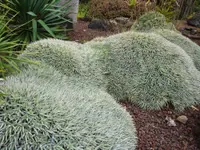
Deuterocohnia brevifolia
Deuterocohnia brevifolia

Corsican Stonecrop
Sedum dasyphyllum
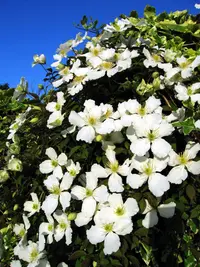
Anemone clematis
Clematis montana
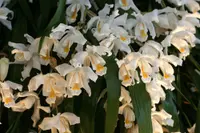
Coelogyne cristata
Coelogyne cristata
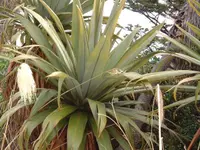
Mountain cabbage tree
Cordyline indivisa
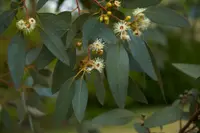
Cider gum
Eucalyptus gunnii
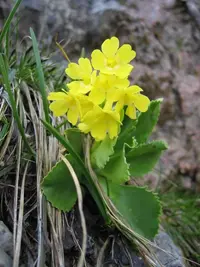
Bear's ear
Primula auricula
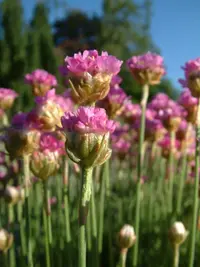
Sea thrift
Armeria maritima
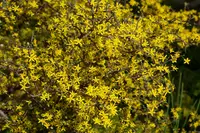
Korokio
Corokia cotoneaster
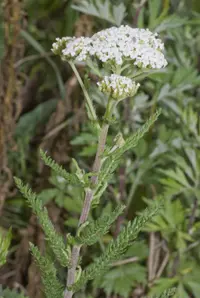
Yarrow
Achillea millefolium
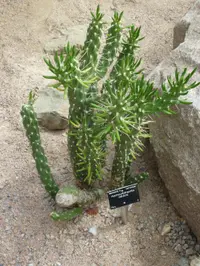
Eve's needle cactus
Austrocylindropuntia subulata
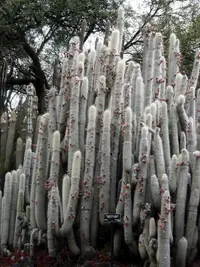
Silver torch cactus
Cleistocactus strausii
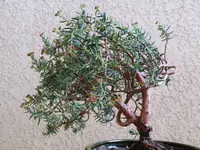
Bonsai Stonecrop
Crassula sarcocaulis
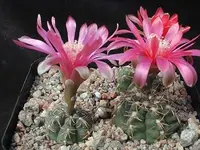
Dwarf Chin Cactus
Gymnocalycium baldianum
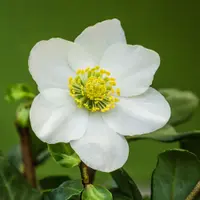
Christmas rose
Helleborus niger
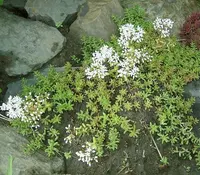
White stonecrop
Sedum album
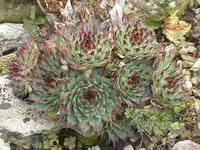
houseleek
Sempervivum calcareum
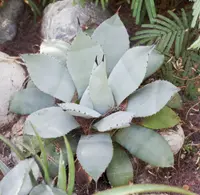
Artichoke agave
Agave parryi
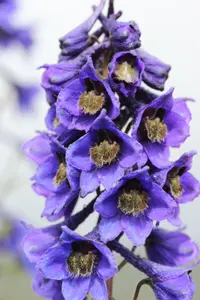
Candle larkspur
Delphinium elatum
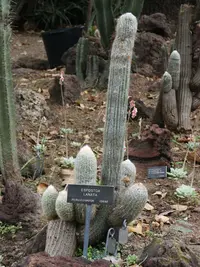
cotton ball cactus
Espostoa lanata
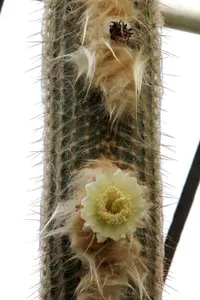
Espostoa melanostele
Espostoa melanostele
What are Alpine Plants?
You can see alpine plants growing above the treeline, where no forest can survive. Conditions there are harsh: cold winds, thin air, and intense sunlight every day. The growing season lasts only a few weeks.
Many species remain low to the ground to avoid strong winds. The full list of alpine plants worldwide includes between 8,000 and 10,000 vascular species, which represent about 4% of the world's plants.
Classification of Alpine Plants by Growth Form
Alpine species cope with various challenges thanks to several different body types:
- Cushion plants — tightly fold their stems into a dome-shaped mound that retains heat and moisture, protecting them from drying winds;
- Rosette plants — form a flat circle of leaves near the ground that protects the growing center and catches the low-angle sun;
- Dwarf shrubs — retain woody stems but remain short and creep along the ground, remaining exposed to the strongest winds and snow;
- Geophytes — store their energy in bulbs or tubers underground, safely surviving the winter, and then quickly germinate during the short summer.
Main Alpine Plant Families and Genera
Among all alpine plant names, a few families dominate mountain slopes around the world. The daisy family, Asteraceae, is the largest, plus edelweiss and mountain asters. Buttercups, heaths, and saxifrages also belong to this group. Find more details about the major families below.
Family | Species (worldwide) | Alpine example |
Asteraceae | 25,000+ | |
Ranunculaceae | ~2,500 | |
Ericaceae | ~4,000 | |
Saxifragaceae | ~600 | |
Caryophyllaceae | ~2,600 | |
Primulaceae | ~2,500 |
Asteraceae and the grasses are the most diverse of these families. Our alpine plants list above shows a photo for each species.