Wind protection strategy
In windy sites, install a permeable windbreak such as mesh fencing or shrub hedging on the prevailing-wind side to prevent leaf shredding and trunk rocking that can destabilize young plants.

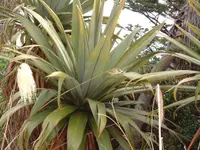
The mountain cabbage tree, Cordyline indivisa, is a broad-leaved evergreen from New Zealand’s cool, moist mountain regions. It forms a single trunk topped with a dense crown of long, arching blue-green leaves. Mature plants can develop a strong architectural presence in gardens with mild, damp climates. This species is more sensitive to heat, drought, and poor drainage than many other cordylines, which makes it harder to keep alive in warm or dry areas. It prefers cool conditions, consistent moisture, and rich, free-draining soil, so site choice is important when learning how to care for Mountain cabbage tree.

Care Difficulty
Hard Care

Light Preference
Partial Shade

Water Requirements
Keep Soil Moist

Temperature Preference
Cool Climate

Hardiness Zone
8–10

Soil Texture
Loamy, Silty, Organic-rich

Soil pH
Acidic (5.5–6.5), Slightly acidic (6.5–7.0)

Soil Drainage
Moist but well-drained

Fertilization
Minimal (feed rarely)
Scan your plant to receive care tips personalized for your specific plant
Available on iOS and Android
Cordyline indivisa prefers cool, bright conditions with protection from harsh midday sun.
Cordyline indivisa needs steady moisture but is sensitive to waterlogged soil.
This species favors cool, mild climates and reacts poorly to temperature extremes.
This species prefers moderately moist air but usually adapts to typical household humidity.
Cordyline indivisa performs best in deep, well-aerated, moisture-retentive but free-draining soil.
This species can be grown in large containers if they provide depth, stability, and fast drainage.
Cordyline indivisa benefits from modest, consistent feeding during active growth for steady foliage development.
Pruning Cordyline indivisa is mainly about removing damaged material and maintaining a clean, safe crown.
Cordyline indivisa is usually grown in the ground, but young or container plants sometimes need careful transplanting.
Cordyline indivisa is slow-growing and most home propagation attempts have limited success.
Cordyline indivisa has limited frost tolerance and benefits from targeted winter protection in cooler climates.

Plant Health Check
Not sure what's wrong with your plant? Check your plant's health inside the app.
This species is native to montane cloud forests in New Zealand, where it grows at higher, cooler elevations and often in misty, high-rainfall sites, unlike many other cordyline species that prefer warmer, drier conditions.
It has unusually wide, soft, drooping leaves for a cordyline, forming a dense, rounded crown that is adapted to shedding heavy rain and intercepting cloud moisture in its native habitat.
The species occurs naturally in a relatively limited part of New Zealand’s North Island and the northern South Island, mostly in upland gullies and ridges, which contributes to its sensitivity outside those conditions in cultivation.
Cordyline indivisa is often considered one of the most difficult cordyline species to cultivate successfully because it is highly adapted to cool, consistently moist, and mild mountain conditions, and can decline rapidly when exposed to heat stress, poor drainage, or fluctuating moisture in cultivation.
Leaf browning usually results from wind scorch, low humidity, salt-laden air, or root stress from poor drainage. Protect from strong wind, improve soil aeration, and remove only fully dead leaves to prevent further damage.
Keep your plants happy and healthy with plant identification, disease detection, and easy care guidance.