Wind hardening outdoors
Before planting outside, expose seedlings to light wind for 1–2 hours per day over 7–10 days to strengthen stems and reduce transplant shock.

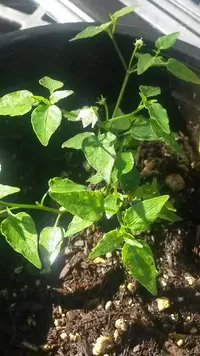
Tova pepper, Capsicum chacoense, is a small wild chili species valued for its tiny, very hot fruits and naturally branching, shrubby growth. Plants stay compact and often develop a dense canopy of narrow leaves.
This species is native to parts of South America, especially dry forests and grassland edges, where it tolerates sun, wind, and seasonal drought. It is generally more cold- and stress-tolerant than many cultivated peppers, but slower to mature.
Good drainage, moderate watering, and plenty of light support healthy growth, which makes how to care for tova pepper different from more demanding tropical Capsicum types.

Care Difficulty
Moderate Care

Light Preference
Full Sun

Water Requirements
Moderate Water

Temperature Preference
Tropical / Frost Sensitive

Hardiness Zone
10–12

Soil Texture
Sandy, Loamy, Organic-rich

Soil pH
Acidic (5.5–6.5), Slightly acidic (6.5–7.0)

Soil Drainage
Well-drained

Fertilization
Moderate (every 2–4 weeks)
Scan your plant to receive care tips personalized for your specific plant
Available on iOS and Android
This wild Capsicum chacoense thrives in bright, direct sun with some protection at the hottest times of day.
Capsicum chacoense prefers evenly moist, well-drained soil that dries slightly between waterings.
This species grows best in warm, stable conditions without exposure to frost.
This species handles a wide humidity range but grows best with moderately moist air.
Capsicum chacoense prefers a loose, well‑aerated mix that drains quickly but retains some moisture.
This species is well suited to container growing when given ample root space and sharp drainage.
Capsicum chacoense benefits from light, consistent feeding during its warm growing season.
Pruning helps Capsicum chacoense stay compact, productive, and easier to manage.
Capsicum chacoense adapts well to containers and garden beds but dislikes severe root disturbance.
Capsicum chacoense is most commonly propagated from seed, with cuttings used less often.
Capsicum chacoense is frost sensitive and needs protection in regions with cold winters.

Plant Health Check
Not sure what's wrong with your plant? Check your plant's health inside the app.
This species is considered one of the wild relatives closely related to domesticated chili peppers and is often used in research to understand the evolution and domestication of Capsicum crops.
Its small, very hot fruits are readily eaten by birds, which are insensitive to capsaicin; the seeds then pass through the digestive tract and are dispersed over long distances in its native South American habitats.
Wild populations show notable genetic variation in traits such as fruit shape and pungency level, making this species valuable for breeding programs aiming to improve disease resistance and stress tolerance in cultivated peppers.

Capsicum chacoense is one of the few wild chili species that has been documented growing in a wide range of open habitats, from dry Chaco woodland margins to disturbed roadsides, demonstrating an unusual ecological flexibility among wild Capsicum.
Yellowing leaves usually result from overwatering, nutrient deficiency, or natural aging of lower foliage. Check drainage, reduce watering if soil stays wet, and use a balanced fertilizer. Sudden yellowing plus wilting can also follow root disturbance or cold stress.
Keep your plants happy and healthy with plant identification, disease detection, and easy care guidance.