Small-leaved Lilly Pilly Care (Syzygium luehmannii)

Small-leaved Lilly Pilly

About Small-leaved Lilly Pilly

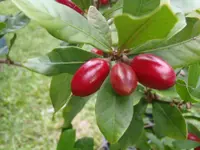
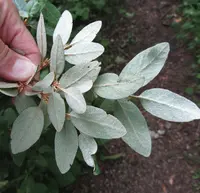
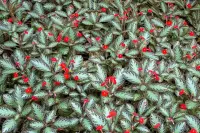
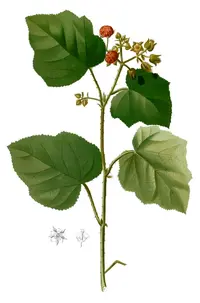
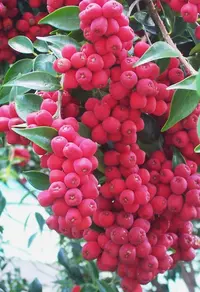
Syzygium luehmannii, commonly called small-leaved lilly pilly, is an evergreen tree or large shrub valued for its dense foliage and smooth, glossy leaves. It often forms a neat, naturally rounded canopy and produces small white flowers followed by attractive pink to red edible berries.

This species is native to coastal rainforests of eastern Australia, where it grows in warm, humid conditions. Its compact leaves and good response to pruning make it popular for hedges, screens, and topiary.

Syzygium luehmannii is generally considered easy to grow when provided with moisture-retentive soil and regular watering, especially while establishing. Stable conditions and adequate light are the main points to understand when learning how to care for Small-leaved Lilly Pilly.

Main Plant Requirements

Care Difficulty

Moderate Care

Light Preference

Full Sun

Water Requirements

Moderate Water

Temperature Preference

Warm Climate

Hardiness Zone

10–11

Soil Texture

Sandy, Loamy, Organic-rich

Soil pH

Acidic (5.5–6.5), Slightly acidic (6.5–7.0)

Soil Drainage

Moist but well-drained

Fertilization

Minimal (feed rarely)

Get Personalized Care Plan

Scan your plant to receive care tips personalized for your specific plant

Available on iOS and Android

How to Care for the Small-leaved Lilly Pilly

This species grows best with bright light and some direct sun while protected from harsh extremes.

  • Provide 4–6 hours of direct morning sun with light afternoon shade; in hotter regions, give filtered light after 11 a.m. to protect Small-leaved Lilly Pilly foliage.
  • Plant in an open position with no dense overhead shade; in sites with only 2–3 hours of sun, expect slower, looser growth.
  • Watch leaves for stress: pale, sparse foliage and long gaps between leaves indicate too little light, while crisped tips or bronzing suggest excessive sun.

This plant prefers evenly moist, well-drained soil rather than frequent shallow watering.

  • Before watering, check that the top 3–5 cm of soil has dried; water deeply so moisture reaches the root zone, then let excess drain away fully.
  • In hot, dry periods, you may water once soil feels dry at that depth, while in cool or rainy seasons reduce watering to avoid constant saturation.
  • Signs of overwatering include yellowing leaves and soft new growth, while drooping, dry leaf edges and brittle new shoots suggest the plant is too dry.

This species is a warm-climate tree that grows best in mild, frost-free conditions.

  • Aim for 65–80°F (18–27°C) for strongest growth; short peaks to 86°F (30°C) are tolerated if soil moisture is stable and roots are mulched.
  • Protect from frost, as damage usually occurs below about 30°F (-1°C); young plants are more sensitive and can die back to the base.
  • In regions with cool winters, choose a sheltered microclimate such as a north- or east-facing wall to buffer cold winds and night temperature drops.

This species prefers moderately humid air and benefits from extra humidity in heated or air-conditioned homes.

  • Aim for 40–60% humidity; it tolerates brief dips lower but long periods of very dry air slow growth and crisp leaf tips.
  • Dry, curling leaf edges and increased leaf drop indicate humidity stress in Small-leaved Lilly Pilly.
  • Increase humidity with grouped plants, a pebble tray under the pot, or a nearby humidifier rather than misting foliage.

This plant grows best in loose, moist, and well-drained soil with stable structure.

  • Use a loamy mix with 40–60% organic matter, such as composted bark or compost, plus coarse sand or perlite for drainage.
  • Aim for slightly acidic to neutral pH around 6.0–7.0 for Syzygium luehmannii to support nutrient uptake and root health.
  • In heavier native soils, improve structure by mixing in coarse sand and fine bark to increase aeration and prevent compaction around roots.
  • Avoid waterlogged, sticky clay or pure sand with no organic content, which either suffocates roots or dries out too quickly.

This species is suitable for container growing, especially for hedging, screening, or compact ornamental use.

  • Choose a wide, deep pot to accommodate a fibrous root system and reduce the risk of the plant becoming unstable in wind.
  • Select a heavier material like ceramic or concrete if growing a tall specimen, to keep the container from tipping over.
  • Use a container that drains freely, then elevate it on pot feet or blocks so excess water clears quickly and does not pool under the base.

This species benefits from modest feeding to support dense foliage and fruiting in gardens and containers.

  • Apply a balanced slow-release fertilizer (for example 10-10-10 or similar NPK) at the start of spring for Small-leaved Lilly Pilly.
  • Top-dress with compost or well-rotted manure once a year to improve soil structure and nutrient levels.
  • During the main growing season, use a half-strength liquid feed every 4–6 weeks if growth seems weak.
  • Stop additional feeding in late autumn and avoid fertilizing during winter dormancy.

Pruning helps Syzygium luehmannii maintain a dense canopy, good airflow, and a tidy hedge or small tree form.

  • Carry out main pruning in late winter to early spring before strong new growth starts.
  • Remove dead, diseased, crossing, or inward-growing branches to reduce pest and disease risk.
  • Shorten long shoots to shape hedges and encourage bushier branching from lower nodes.
  • Use sharp, clean bypass pruners or loppers, making cuts just above a bud or side branch.

This plant is often grown in the ground but can adapt to containers, where periodic transplanting maintains healthy growth.

  • Check for roots circling the pot base, crowded drainage holes, or slowed growth as signals to move Syzygium luehmannii.
  • Plan major transplanting or up-potting for late winter to early spring, before vigorous growth begins.
  • Expect container plants to need a larger pot every 2–3 years, stepping up only 1–2 pot sizes each time.
  • Water thoroughly before and after moving, keep the original soil level, and shade for 3–5 days to limit transplant shock.

Propagation is usually done from semi-hardwood cuttings or fresh seed taken from ripe fruit.

  • Take 8–12 cm semi-hardwood tip cuttings in late spring to summer, removing lower leaves.
  • Dip cut ends in a rooting hormone and insert into a free-draining mix of coarse sand and peat-free potting media.
  • Maintain high humidity and bottom warmth around 70–75°F with bright, indirect light until roots form.
  • Sow cleaned fresh seed in a moist, well-drained mix, just covered, and keep consistently warm for steady germination.

This subtropical tree is only moderately frost tolerant and benefits from some winter protection in cooler regions.

  • In climates with light frosts, add a 5–8 cm mulch layer around the root zone, keeping it off the trunk.
  • Wrap young stems with horticultural fleece or similar material during forecast freezes.
  • Move container-grown plants indoors or into a frost-free greenhouse when temperatures approach 32°F.

Care Tips

Hedge Density Training

Tip-prune new shoots lightly 2–3 times during the warm season rather than doing one hard cut, as this encourages dense side-branching and a thicker, more private hedge.

Wind-Smart Positioning

In windy sites, plant on the leeward side of buildings or use temporary windbreak netting for young plants to reduce leaf scorch and branch damage while roots establish.

Root-Zone Mulch Band

Maintain a 5–8 cm deep organic mulch band extending at least 30–45 cm beyond the canopy dripline to protect shallow feeder roots, stabilize soil moisture, and suppress weeds without piling mulch against the trunk.

Preventing Psyllid Damage

Inspect flushes of new red growth every 1–2 weeks for pimple-like bumps or distorted leaves, and if present, prune out and bin affected tips early or use horticultural oil according to label directions to limit psyllid buildup.

Edible Harvest Hygiene

When harvesting fruit for fresh eating or preserves, collect only fully colored berries, avoid those touching the ground, and rinse promptly to reduce spoilage and make caring for Small-leaved Lilly Pilly safer for food use.

Common Pests and Diseases

Psyllids

These insects feed on young foliage and cause cupped, distorted leaves with blistered or pimply surfaces, often called pimple psyllid damage. This pest is particularly common on lilly pilly hedges and new growth flushes.

Solution

Prune out and dispose of heavily distorted shoots, then encourage strong new growth with balanced watering and nutrition. For active infestations, spray the new growth thoroughly with a ready-to-use horticultural oil or insecticidal soap every 7–10 days until new leaves emerge clean, and avoid heavy nitrogen fertiliser that promotes very soft, susceptible shoots.

Scale insects

These insects appear as small, raised bumps on stems and leaf undersides and excrete sticky honeydew that can lead to sooty mold. Symptoms include sticky leaves, black fungal coating, and a decline in plant vigor over time.

Solution

Wipe or gently scrub accessible stems and leaves with a damp cloth or soft brush to remove scales, then apply horticultural oil to all infested surfaces to suffocate remaining insects. Improve air movement through the canopy by light thinning cuts and monitor regularly, treating new hot spots early as part of long-term Syzygium luehmannii care instructions.

Sooty mold

This disease is a black, powdery fungal growth that develops on the sugary honeydew secreted by sap-sucking pests such as psyllids, scale, or aphids. Symptoms include a charcoal-colored film coating leaves and stems that can reduce photosynthesis and make the plant look dull and dirty.

Solution

Control the underlying sap-sucking pests first so new honeydew stops forming, using horticultural oil or insecticidal soap where appropriate. Then gently wash affected foliage with water and a small amount of mild, non-detergent soap, or allow rain and time to remove residues as new clean leaves grow.

Leaf spot

This disease causes small brown, purple, or dark spots that can merge into larger blotches, sometimes with a yellow halo, especially on dense or humid hedges. Severe infections may lead to premature leaf drop and thinning of the foliage.

Solution

Remove and discard badly affected leaves and any fallen debris from around the base to reduce spore sources, then water at soil level rather than overhead to keep foliage drier. Improve airflow with light pruning, and if spotting continues during warm, wet periods, apply a labeled copper or other ornamental shrub fungicide according to directions, focusing on new growth and inner canopy surfaces.

Myrtle rust

This disease produces bright yellow to orange powdery pustules on young leaves, shoots, and sometimes stems, which can lead to leaf distortion, dieback of new growth, and in severe cases canopy thinning. Symptoms include yellow spotting on the upper leaf surface and velvety rust-colored spores beneath.

Solution

Isolate affected plants if possible, avoid handling them when wet, and promptly prune off infected shoots at least 10–15 cm below visible symptoms, disposing of all material in sealed bags in the trash. Disinfect pruning tools with a suitable disinfectant between cuts, avoid overhead watering, and in regions where myrtle rust is established, consider preventative or early-intervention fungicide sprays labeled for rust diseases on Myrtaceae, following local regulations and label directions closely.

Interesting Facts

Coastal rainforest specialist

This species naturally occurs in lowland and coastal rainforests of eastern Australia, particularly from northern New South Wales to southern Queensland, often forming part of the subcanopy rather than the emergent tree layer.

Food source for wildlife

Its pink to red berries are eaten by many Australian birds, including pigeons, lorikeets, and figbirds, which help disperse the seeds through the forest.

Naturally dense foliage

The small, closely spaced leaves and fine branching pattern create a naturally dense canopy that makes this species a favored choice for formal hedging and screening in Australian landscapes.

Botan icon

Did you know?

The edible fruits, often called riberry or cherry alder, have a crisp texture and a distinct clove-like, spice aroma, which has led to their use as a native Australian bushfood in sauces, jams, syrups, and lightly cooked savory dishes.

FAQs about Small-leaved Lilly Pilly

This species is evergreen, keeping foliage year-round in mild climates. It may shed some leaves seasonally or after stress, but it does not have a true dormant, leafless period like many deciduous trees.

Grow Healthy Plants with Botan Care

Keep your plants happy and healthy with plant identification, disease detection, and easy care guidance.


Botan plant care app — identify plants on mobile

Explore More Plants