smallflower pawpaw Care (Asimina parviflora)

Also known as: dwarf pawpaw
smallflower pawpaw

About smallflower pawpaw

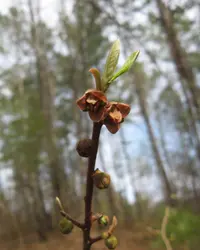
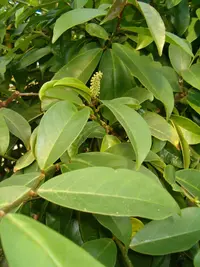
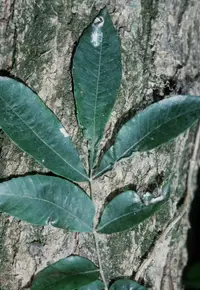
Smallflower pawpaw, Asimina parviflora, is a deciduous shrub or small tree in the custard-apple family. It forms an upright, multi-stemmed clump with a soft, woodland look. Leaves are narrow, medium green, and turn yellow in fall, while the small, dark maroon flowers appear in spring and are followed by elongated, greenish fruits. This species is native to the southeastern United States, typically found in open woods, stream banks, and well-drained sandy or loamy soils. It adapts best to sites with partial sun and consistent moisture but tolerates some drought once established. For gardeners learning how to care for smallflower pawpaw, its deep root system and slow early growth are the main factors that influence ease of cultivation.


Main Plant Requirements

Care Difficulty

Moderate Care

Light Preference

Partial Shade

Water Requirements

Moderate Water

Temperature Preference

Cold Hardy

Hardiness Zone

6–9

Soil Texture

Sandy, Loamy, Organic-rich

Soil pH

Acidic (5.5–6.5), Slightly acidic (6.5–7.0)

Soil Drainage

Moist but well-drained

Fertilization

Minimal (feed rarely)

Get Personalized Care Plan

Scan your plant to receive care tips personalized for your specific plant

Available on iOS and Android

How to Care for the smallflower pawpaw

This species prefers bright conditions with some protection from intense midday sun.

  • Provide 4–6 hours of direct morning sun with light dappled shade in the afternoon, similar to an open woodland edge.
  • Young smallflower pawpaw plants benefit from 30–60% filtered shade; mature shrubs tolerate more direct sun if soil stays evenly moist.
  • In hot summers, strong afternoon sun can scorch leaves, while deep shade reduces flowering and fruiting over time.

This plant favors consistently moist, well-drained soil, especially while establishing.

  • Let the top 3–5 cm of soil become slightly dry, then water deeply so moisture reaches the root zone without leaving puddles.
  • During hot, dry periods, monitor weekly; drooping leaves and dry, crumbly soil indicate the need for thorough watering.
  • Avoid waterlogging; yellowing leaves, soft stems, or a sour soil smell suggest overwatering and poor drainage that should be corrected.

This North American shrub is quite cold-hardy and handles a wide outdoor temperature range.

  • Active growth is strongest around 70–85°F (21–29°C), with good performance in typical spring and summer conditions.
  • Mature plants tolerate winter lows near 0°F (−18°C) once established, though young plants benefit from protection from harsh freezing winds.
  • Summer heat up to about 95°F (35°C) is tolerated if soil moisture is maintained; repeated hard frosts after bud break can damage flowers and reduce fruit set.

Asimina parviflora tolerates a broad humidity range and usually needs no special humidity management outdoors.

  • Performs well at 40–70% humidity, typical of most temperate outdoor climates.
  • Handles brief dry air spells but may show leaf edge browning and slight rolling in prolonged low humidity with heat or wind.
  • If grown in a sheltered or warmer site, increase humidity slightly by mulching the root zone to keep soil moisture more even.

Asimina parviflora prefers deep, moist, well-drained soils that stay aerated yet never waterlogged.

  • Use a loamy or sandy-loam soil with high organic matter, such as native soil amended with 20–30% compost.
  • Aim for slightly acidic to neutral pH, around 5.5–7.0, avoiding strongly alkaline or saline conditions.
  • Improve drainage and aeration by blending in coarse sand or fine pine bark where native soil is heavy or compacted.
  • Avoid sites that collect standing water, dense clay that cracks when dry, or very shallow, stony ground that dries out rapidly.

This species can be grown in containers for several years, but long-term growth is easier in the ground.

  • Choose a deep, heavy container to accommodate the taproot and prevent the plant from tipping in wind.
  • Use a slightly acidic, barky loam-based mix that holds moisture yet drains quickly through large drainage holes.
  • Place the container where sides are shaded or insulated so the root zone does not overheat and dry excessively in summer sun.

This native understory tree needs only light feeding in most garden soils, so focus on gentle support rather than heavy fertilization for smallflower pawpaw.

  • Use a balanced, slow-release fertilizer (around 10-10-10) or a thin layer of finished compost in early spring.
  • Feed once per year in spring for in-ground plants; container plants can receive a light dose again in midsummer.
  • Apply at half the label strength to avoid salt buildup and root burn in this taprooted species.
  • Do not fertilize in fall or winter, when the tree is dormant and not actively growing.

Asimina parviflora needs minimal pruning, mainly to maintain structure and plant health rather than to control size.

  • Prune in late winter to very early spring, before bud break, to limit sap flow and stress.
  • Remove dead, diseased, crossing, or storm-damaged branches with clean, sharp bypass pruners or loppers.
  • Thin crowded interior shoots sparingly to improve light and air movement while keeping the natural form.
  • Avoid heavy structural cuts; instead make small, angled cuts just outside the branch collar.

This taprooted species dislikes disturbance, so transplanting must be infrequent, planned, and done with care.

  • Look for roots circling the container drainage holes, stalling top growth, or frequent wilting as signs it has outgrown its pot.
  • Transplant very young plants in early spring before leaf-out, usually after 1–2 years in a container at most.
  • Move into a slightly larger, deep container or permanent ground site, keeping the taproot as intact and vertical as possible.
  • Water thoroughly, shade lightly for 1–2 weeks, and keep soil evenly moist but not saturated to reduce transplant shock.

Asimina parviflora is usually propagated from seed, as vegetative methods are slow and often unreliable.

  • Collect ripe seeds in fall, clean off pulp, and sow promptly or store moist in the refrigerator for cold stratification.
  • Provide 3–4 months at 35–41°F, then move to a warm medium (70–75°F) for germination in deep pots or tree tubes.
  • Use a well-drained, slightly acidic mix, keep evenly moist, and be patient, as germination and seedling growth are slow.
  • Protect young seedlings from direct, intense sun and from root disturbance during their first 1–2 growing seasons.

This species is cold hardy in much of its native range and usually needs only modest winter care outdoors.

  • Established in-ground plants tolerate typical winter frosts across USDA zones where they are hardy.
  • Apply 5–8 cm of organic mulch over the root zone, keeping it a few cm away from the trunk to prevent rot.
  • For container plants, move pots into an unheated garage or sheltered spot where temperatures stay above about 15°F.

Care Tips

Windward staking

In exposed sites, place a sturdy stake on the prevailing-wind side of young plants and use a soft, wide tie in a loose figure‑8 to reduce root rock and help the tree establish a deeper, more stable root system during the first 2–3 years.

Root-zone mulching

Apply a 5–8 cm layer of shredded bark or leaf mold over the root zone, keeping it 5–8 cm away from the trunk, to mimic its natural woodland leaf litter, cool the soil, and protect fine feeder roots from summer heat and winter temperature swings.

Sucker management

Inspect annually for root suckers emerging around the base and either remove them cleanly at ground level to maintain a single-trunk form or select 1–2 strong shoots to train into a multi-stem clump, depending on the desired landscape shape.

Hand pollination

Where fruit set is poor, use a soft artist’s brush in mid‑spring to transfer pollen between flowers on different plants, visiting them on several consecutive days, which can significantly increase yield when growing smallflower pawpaw in small plantings.

Rodent and borer checks

In late winter, examine the lower trunk and root flare for gnawing damage or small frass-filled holes, then use hardware cloth guards for rodent protection and promptly remove and destroy any clearly borer‑infested twigs or branches to limit spread.

Common Pests and Diseases

Pawpaw peduncle borer

This pest is a small moth larva that tunnels into flower stalks and young shoots, causing wilting, flower drop, and reduced fruit set. Symptoms include hollowed pedicels, browned tissue, and shriveled flower clusters.

Solution

Prune and destroy wilted or flagging flower clusters and shoots as soon as they are noticed to remove larvae before they complete development. Keep the shrub well spaced and pruned for visibility, and in home landscapes use pheromone traps or sticky traps near flowering time to monitor activity and time any targeted applications of a labeled Bacillus thuringiensis (Bt) product to young larvae on external surfaces.

Zebra swallowtail caterpillars

These insects are the larvae of the zebra swallowtail butterfly, which use Asimina species as their exclusive host and can skeletonize or strip leaves, especially on small shrubs. Damage often appears as chewed leaf margins and missing sections between veins.

Solution

On landscape plants, handpick caterpillars from reachable branches and relocate them to a less prominent pawpaw if preserving butterflies is a goal. For heavy defoliation on young or newly planted shrubs, use selective biological controls such as Bt sprayed in the evening on leaf surfaces, and maintain good watering and mulching so the plant can quickly replace lost foliage while still supporting some caterpillars.

Pawpaw leaf spot

This disease is typically fungal and produces small brown or purplish spots that can merge into larger blotches on leaves, leading to early leaf yellowing and drop in humid summers. Symptoms include spotted, thinning foliage starting on lower, shaded branches.

Solution

Collect and dispose of fallen leaves to reduce overwintering spores, and prune interior twigs to improve air movement through the canopy. During persistently wet, warm periods, home growers with recurrent problems can apply a labeled copper or chlorothalonil fungicide to young expanding leaves, following label directions and avoiding unnecessary repeat treatments once weather turns drier.

Phyllosticta leaf blotch

This disease, caused by Phyllosticta fungi, creates irregular tan or brown blotches with darker margins, sometimes surrounded by yellow halos, mainly on older leaves. Symptoms include premature leaf drop and a patchy, scorched appearance late in the season, especially in shaded, damp sites.

Solution

Rake and discard infected leaves in autumn, and avoid overhead irrigation that keeps foliage wet for long periods. If blotch recurs annually and plants are of high value, apply a preventive fungicide labeled for ornamental trees and shrubs at bud break and again as leaves expand, combined with thinning nearby vegetation to increase light and drying.

Scale insects

These insects attach to stems and sometimes leaf midribs, appearing as small, immobile bumps that suck sap and weaken the plant over time. Symptoms include sticky honeydew on leaves, sooty mold growth, and gradual thinning or yellowing of foliage on affected branches.

Solution

For light infestations, gently scrub stems with a soft brush and water, or prune out heavily encrusted twigs and dispose of them. For larger populations, apply horticultural oil during the dormant season to smother overwintering stages, and follow with a light summer oil spray on new growth if needed, ensuring thorough coverage of stems while avoiding spraying during high heat above about 85°F.

Interesting Facts

Specialist beetle pollinators

Its maroon, nodding flowers are primarily visited by sap beetles and other small beetles, rather than bees, following the pollination pattern seen across the pawpaw genus.

Smallest North American pawpaw

Within the North American pawpaws, this species produces some of the smallest fruits and more slender growth, which helps distinguish it from its larger-fruited relative Asimina triloba.

Coastal plain specialist

It is native to the Southeastern US coastal plain and commonly occurs on well-drained, often sandy or loamy soils in open woods, streambanks, and pine or oak understories.

Botan icon

Did you know?

Genetic and morphological studies indicate that this species is an important southern representative of the pawpaw lineage, helping researchers understand how these largely tropical Annonaceae relatives adapted to temperate North American environments.

FAQs about smallflower pawpaw

Growth is moderate. Young plants usually add about 15–30 cm in height per year once established, sometimes more in ideal conditions. Shaded or dry sites, root disturbance, and competition from tree roots slow growth noticeably.

Grow Healthy Plants with Botan Care

Keep your plants happy and healthy with plant identification, disease detection, and easy care guidance.

Botan plant care app — identify plants on mobile

Explore More Plants