Promote basal shoots
After flowering, lightly thin older woody stems at the base to encourage new basal shoots, which helps maintain the dense, thorny framework this species needs for good flowering and hip production.

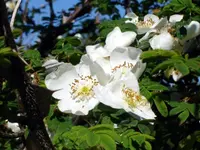
Rosa sericea, commonly called silky rose, is a deciduous wild rose known for its fine-textured foliage and distinctive, often spiny stems. It usually forms a medium shrub with an open, airy habit. This species occurs naturally in high-altitude regions of the Himalayas and nearby mountain ranges, where conditions are cool and soils are often rocky and well drained. Its hardiness and tolerance of poor soils make it relatively resilient, but it can be less forgiving in hot, humid climates. Silky rose prefers full sun, moderate moisture, and neutral to slightly acidic soil. Gardeners who learn how to care for Silky Rose typically find it manageable but not completely low maintenance, especially in warmer regions.

Care Difficulty
Moderate Care

Light Preference
Full Sun

Water Requirements
Moderate Water

Temperature Preference
Cold Hardy

Hardiness Zone
5–8

Soil Texture
Sandy, Loamy, Rocky

Soil pH
Acidic (5.5–6.5), Slightly acidic (6.5–7.0)

Soil Drainage
Well-drained

Fertilization
Minimal (feed rarely)
Scan your plant to receive care tips personalized for your specific plant
Available on iOS and Android
Rosa sericea thrives in cool, bright conditions with substantial direct sun each day.
Rosa sericea prefers evenly moist, well-drained soil that never stays saturated for long periods.
This rose is hardy and adapted to cool to temperate climates with cold winters.
Rosa sericea performs best in relatively dry to moderate outdoor air and rarely needs humidity adjustment.
Rosa sericea prefers well-structured, free-draining mineral soil that still holds moderate moisture.
This species can be grown in containers outdoors, though long-term growth is easier in the ground.
Rosa sericea generally needs modest feeding, especially when grown in lean or native soils.
Rosa sericea benefits from light, targeted pruning to maintain structure and flowering wood.
This rose is more often transplanted in the ground than grown in containers, but similar principles apply.
Rosa sericea is commonly propagated by hardwood cuttings, semi-ripe cuttings, and seeds for species-true plants.
This species is generally cold hardy in temperate climates and needs only modest winter care outdoors.

Plant Health Check
Not sure what's wrong with your plant? Check your plant's health inside the app.
Unlike most roses with 5 petals, this species typically has only 4, a rare trait in the genus Rosa and a useful feature for field identification.
Its younger stems often develop flattened, wing-like prickles that can cover much of the stem surface, likely helping protect the plant from browsing animals in its native mountain habitats.
This rose naturally occurs in the Himalaya and parts of western China, where it grows on rocky slopes and forest edges at relatively high elevations, showing good adaptation to cold, seasonal climates.

Rosa sericea has been used as a parent in breeding ornamental garden roses, mainly for its unusual 4-petaled flower form and distinctive stem armature, contributing novel traits to modern rose collections.
Lack of flowers usually comes from too little sun, excessive nitrogen fertilizer, hard pruning at the wrong time, or plant immaturity. Ensure full light, balanced feeding, and prune right after flowering to protect next season’s buds.
Keep your plants happy and healthy with plant identification, disease detection, and easy care guidance.