Yellow Paintflower Care (Alectra sessiliflora)

Yellow Paintflower

About Yellow Paintflower

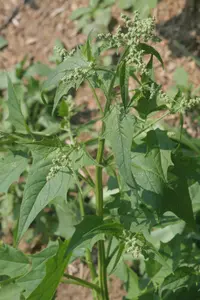
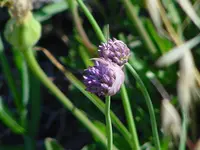
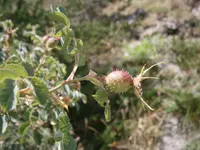
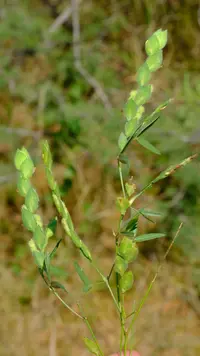
Yellow paintflower (Alectra sessiliflora) is a small, annual, parasitic herb that attaches to the roots of nearby host plants to obtain water and nutrients. It typically shows slender, simple stems with small leaves and bright yellow tubular flowers held close to the stem.

This species occurs in dry, open habitats in parts of Africa and Asia, often in grasslands or disturbed ground. Because it is root-parasitic and depends on suitable host plants, it is challenging to cultivate and not commonly grown as an ornamental.

Gardeners who want to care for Yellow Paintflower should understand its specialized life cycle, preference for sunny, well-drained sites, and reliance on compatible host species for successful growth.

Main Plant Requirements

Care Difficulty

Hard Care

Light Preference

Full Sun

Water Requirements

Moderate Water

Temperature Preference

Warm Climate

Hardiness Zone

Unknown

Soil Texture

Sandy, Loamy

Soil pH

Slightly acidic (6.5–7.0)

Soil Drainage

Well-drained

Fertilization

Minimal (feed rarely)

Get Personalized Care Plan

Scan your plant to receive care tips personalized for your specific plant

Available on iOS and Android

How to Care for the Yellow Paintflower

This hemiparasitic wildflower prefers bright, open conditions with controlled exposure.

  • Provide 6–8 hours of direct sun daily, ideally with morning sun and light afternoon shade in hot climates to prevent leaf scorch.
  • Tolerates light partial shade for 2–3 hours, but flowering and vigor decline if shaded for more than half the day, so avoid dense canopy cover.
  • In summer, monitor for bleaching or crisp edges as a sign of excessive sun, and note that Yellow Paintflower may stretch and bloom poorly in persistent low light.

This species favors evenly moist but not saturated soil around its host roots.

  • Water only when the top 3–5 cm of soil around the host plant feels dry, using slow, deep soaking so moisture reaches the shared root zone.
  • Reduce watering in cooler seasons when growth slows, watching foliage for wilting or dull, limp leaves as a sign that Alectra sessiliflora and its host need moisture.
  • Ensure free-draining soil; yellowing, soft stems suggest overwatering or waterlogged roots, while crisp, brittle foliage indicates prolonged drought stress.

This plant grows best in warm, frost-free conditions that mimic a mild to hot seasonal climate.

  • Aim for an active growth range of 70–85°F (21–29°C), where root activity and flowering are strongest alongside a compatible host plant.
  • Protect from cold; growth slows noticeably below 60°F (16°C) and plants are usually damaged or killed by frost near 32°F (0°C).
  • It tolerates short heat waves up to about 95°F (35°C) if soil moisture is stable; in hotter periods, reduce reflected heat and avoid dry, compacted soil.

Humidity plays a minor role for Alectra sessiliflora, which copes well with typical outdoor air levels.

  • Target 40–60% humidity if grown in a sheltered or indoor research setting, but avoid creating a constantly damp microclimate around roots.
  • This Yellow Paintflower relative tolerates short dry-air spells; prioritize correct watering and drainage over humidity adjustment.
  • Watch for humidity stress signs such as leaf edge browning and slowed growth, and increase local humidity using grouped pots or a nearby water tray rather than misting foliage.

Alectra sessiliflora is a hemiparasitic species, so soil choice focuses on supporting its host plant while avoiding waterlogging.

  • Use a light sandy or sandy-loam substrate around the host plant, with 20–30% coarse sand or fine grit to keep the profile open and fast-draining.
  • Maintain soil that drains freely within minutes after watering; avoid compacted clay that stays wet and excludes air from roots and host roots.
  • Aim for slightly acidic to neutral pH, roughly 6.0–7.0, which suits most potential host species and supports stable nutrient availability.
  • Improve aeration by mixing in materials such as perlite or fine bark, and avoid dense peat-heavy mixes that collapse and reduce oxygen around the root zone.

This species is difficult and specialized in pots, but container culture is possible mainly for research or careful display with a suitable host plant.

  • Select a wide, relatively shallow container to allow spreading host roots that the plant can attach to, rather than a very deep, narrow pot.
  • Use a rigid, stable pot material such as thick plastic or clay so the container does not shift when roots of the host and parasite develop tension.
  • Ensure drainage holes clear water within minutes and raise the pot slightly on feet or bricks so runoff does not re-enter through the base.

This hemiparasitic wildflower generally does not need supplemental fertilizer when growing in natural soil conditions.

Pruning needs for Alectra sessiliflora are minimal and mainly hygiene-focused.

  • Carry out any light pruning in late winter or just after flowering, when growth is slower.
  • Use clean, sharp hand pruners to remove dead, diseased, or mechanically damaged stems at the base.
  • Thin out badly crowded shoots only if they impede airflow around nearby host plants.

Transplanting is seldom required because this root-parasitic species is usually established directly in the ground near a suitable host.

  • If moving plants, do so in early spring while they are still small and before vigorous host root growth begins.
  • Select a new site with similar light, soil texture, and host species to reduce shock.
  • Lift plants with a wide soil clump to keep fine feeder roots and attached host roots intact.
  • Water gently after transplanting and shade for a few days to limit moisture loss and stress.

Propagation of Alectra sessiliflora is specialized and mostly handled by researchers and native plant specialists.

This small wildflower is generally cold hardy in its native range and needs little specific winter attention.

  • In colder regions, leave fallen leaves or add a light mulch layer to insulate the root zone without smothering the crown.
  • Avoid heavy soil disturbance around plants in winter so dormant roots and host connections are not damaged.
  • Container-grown Yellow Paintflower should be overwintered in a cold, frost-free space with good light and slightly moist soil.

Care Tips

Host root access

Plant seeds or young plants directly adjacent to the roots of a suitable host species so the haustoria (specialized absorbing organs) can attach quickly and prevent the Alectra from starving.

Host vigor management

Maintain the host plant in good health with appropriate irrigation and nutrition, because a stressed or weak host will limit growth and flowering of the parasite.

Controlled host selection

Use a non-invasive, well-adapted host species that tolerates root parasitism, and avoid using valuable or long-lived ornamentals as hosts since they may decline over time.

Root zone mapping

Before transplanting, mark or lightly trench the host root line and place Alectra seedlings exactly along this line to maximize contact with fine feeder roots rather than the main taproot.

Seasonal host renewal

In annual or short-lived plantings, re-sow or replant the host slightly ahead of schedule each season so that growing Yellow Paintflower always has fresh root tissue to attach to and does not exhaust a single host stand.

Common Pests and Diseases

Orobanchaceae rust

This disease causes yellow to brown pustules on stems, leaves, and floral parts, often leading to premature drying of the small host-parasitic shoots. Symptoms include reduced vigor and early senescence of the parasite on its grass or legume hosts.

Solution

Remove and destroy heavily infected parasite patches in the field and avoid moving contaminated soil or plant debris. Use crop rotation with non-host species and encourage good air movement around host plants so foliage dries quickly, which reduces further rust spread.

Leaf spot complex

This disease presents as small water-soaked lesions on the diminutive leaves and bracts that turn brown and may coalesce, especially in humid, crowded stands of the parasite. Symptoms include localized necrosis that can limit the parasite’s growth on host roots.

Solution

Improve spacing and air circulation in infested areas and avoid overhead irrigation that keeps foliage wet for long periods. Remove and dispose of severely affected parasite clumps and surrounding host foliage, and in agricultural settings use clean seed and sanitation to lower inoculum levels.

Dodder parasitism

This pest is another parasitic plant that can form orange to yellow threadlike stems over both Alectra sessiliflora and its grass or legume hosts, further stressing the host-parasite system. Symptoms include tangles of thin wiry stems, reduced host vigor, and increased dieback of the Alectra shoots.

Solution

Physically remove dodder as soon as it appears by cutting and destroying all visible strands before seed set, including a small portion of the host tissue if needed. Keep field margins clean, avoid moving contaminated crop residues, and use crop rotations and clean seed lots to prevent reintroduction.

Interesting Facts

Specialist root parasite

This species is an obligate root parasite that taps into the roots of host plants from the legume family, especially species of Alysicarpus and Desmodium, to obtain water and nutrients instead of developing a full root system of its own.

Tiny, sessile flowers

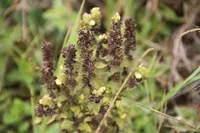
The plant produces small yellow flowers that are sessile, meaning they lack individual flower stalks and sit directly against the stem, a feature that helps distinguish it from some related parasitic genera.

Tropical grassland native

It is naturally found in open, seasonally dry habitats such as savannas and grasslands across parts of tropical Africa and Asia, where its lifecycle is closely synchronized with the rainy season and the growth period of its host plants.

FAQs about Yellow Paintflower

This species behaves mainly as an annual hemiparasite, completing its life cycle in a single growing season. It relies on host plant roots for water and nutrients, then dies back after flowering and seed production.

Grow Healthy Plants with Botan Care

Keep your plants happy and healthy with plant identification, disease detection, and easy care guidance.

Botan plant care app — identify plants on mobile

Explore More Plants