Staggered Succession Sowing
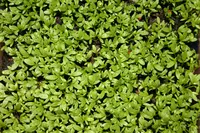
Sow small batches every 10–14 days during the cool season so plants stay in their prime cutting stage and you avoid a single flush that turns tough and bitter at once.


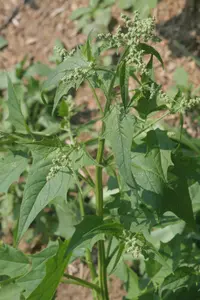
Diplotaxis virgata is a fast-growing annual herb in the mustard family, often known as a wild rocket type. It forms slender, branching stems with narrow, deeply cut leaves and small yellow flowers.
This species is native to Mediterranean regions but now appears as a volunteer plant in fields, roadsides, and disturbed soils in many mild-climate areas. It self-seeds easily and tolerates poor, dry soils, which makes it simple to keep going once established.
Those planning to care for Diplotaxis virgata should note that it prefers sunny, open sites and well-drained soil, and usually grows best with moderate moisture and good light exposure.

Care Difficulty
Easy Care

Light Preference
Full Sun

Water Requirements
Moderate Water

Temperature Preference
Warm Climate

Hardiness Zone
7–11

Soil Texture
Sandy, Loamy

Soil pH
Slightly acidic (6.5–7.0), Neutral (7.0)

Soil Drainage
Well-drained

Fertilization
Minimal (feed rarely)
Scan your plant to receive care tips personalized for your specific plant
Available on iOS and Android
This sun-loving herb thrives with strong light in open garden beds or sunny borders.
This species prefers evenly moist but not saturated soil, especially during active growth.
This hardy annual tolerates a wide range of outdoor temperatures but has a clear comfort zone for best growth.
This species tolerates a wide humidity range but prefers moderately dry air.
Diplotaxis virgata grows best in light, well-drained mineral soil with moderate organic content.
This species is suitable for container growing if given a wide, shallow pot that matches its fibrous root system.
This wild-type arugula relative usually grows well in lean soil, so fertilizing Diplotaxis virgata is light and targeted rather than intensive.
Pruning Diplotaxis virgata focuses on hygiene and maintaining compact, productive growth.
This species is more often grown in beds than in containers, so care centers on gentle transplanting rather than frequent repotting.
Propagation of Diplotaxis virgata is typically done from seed because the plant grows quickly and flowers young.
This hardy annual or short-lived perennial usually needs minimal winter care in mild climates.

Plant Health Check
Not sure what's wrong with your plant? Check your plant's health inside the app.
Diplotaxis virgata is one of the wild species behind modern salad rocket, contributing to the peppery, mustard-like flavor that is familiar in mixed leaf salads across the Mediterranean region.
This species often colonizes disturbed, stony, or roadside habitats in its native Mediterranean range, showing strong tolerance to drought, poor soils, and mechanical disturbance compared with many other brassicas.
Its small yellow flowers produce accessible nectar and pollen that support a range of pollinating insects, especially bees and hoverflies, in dry and open landscapes.

Genetic studies have shown that several wild Diplotaxis species, including D. virgata, are closely related to cultivated rocket (arugula), and breeders use this relationship to introduce new flavors and stress-tolerance traits into commercial salad varieties.
Leaves, young shoots, and flowers are edible and often used fresh in salads or lightly cooked. The flavor is peppery, similar to wild rocket. Harvest tender growth regularly, before plants become very tough or strongly pungent.
Keep your plants happy and healthy with plant identification, disease detection, and easy care guidance.