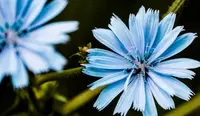
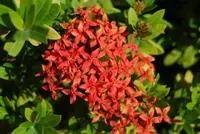
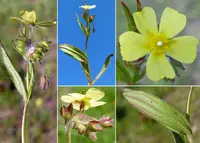
marsh para cress Care (Acmella uliginosa)

marsh para cress

About marsh para cress

Marsh para cress (Acmella uliginosa) is a low, spreading herb often grown as a leafy or edible ornamental in warm, humid regions. It forms dense mats of bright green foliage with small, button-like flower heads.

This species is naturally found in wet or seasonally flooded areas in tropical and subtropical zones, where it thrives in consistently moist soil. It grows quickly and recovers well from cutting, which makes it relatively forgiving for beginners who want to care for marsh para cress.

It prefers high moisture, warm temperatures, and fertile, well-drained soil, but can adapt to a range of light levels from bright shade to gentle sun.

Main Plant Requirements

Care Difficulty

Moderate Care

Light Preference

Full Sun

Water Requirements

Keep Soil Moist

Temperature Preference

Tropical / Frost Sensitive

Hardiness Zone

10–12

Soil Texture

Loamy, Silty, Organic-rich

Soil pH

Acidic (5.5–6.5), Slightly acidic (6.5–7.0)

Soil Drainage

Moist but well-drained

Fertilization

Light (every 4–6 weeks)

Get Personalized Care Plan

Scan your plant to receive care tips personalized for your specific plant

Available on iOS and Android

How to Care for the marsh para cress

This moisture-loving herb prefers bright, non-scorching light for steady leaf and flower production.

  • Provide 4–6 hours of sun daily, ideally with morning sun and light afternoon shade, especially in hotter climates above 85°F (29°C).
  • Tolerates partial shade (2–4 hours of direct sun) but flowering in marsh para cress may decrease if grown in too much shade.
  • In summer, protect from harsh midday sun that can scorch leaves; in cooler seasons, choose a more open, south- or west-facing position to maximize light.

This species thrives in consistently moist conditions but still benefits from some drainage to avoid root problems.

  • Keep soil evenly moist, not soggy; in beds, the top 1–2 cm should feel damp most of the time, never bone dry for long.
  • Increase watering during hot, windy periods when leaves droop or soil surface lightens in color, especially for Acmella uliginosa in exposed positions.
  • Reduce watering slightly in cooler weather; watch for yellowing, soft stems as a sign of overwatering and crisp, browning leaf edges as an underwatering signal.

This warm-season herb grows best in stable, frost-free conditions.

  • Aim for 70–86°F (21–30°C) for strongest growth and flowering; plants slow noticeably below 65°F (18°C).
  • Treat it as frost-tender; tissue damage occurs near 32°F (0°C), and prolonged exposure below 40°F (4°C) can kill roots and crowns.
  • In hot spells above 95°F (35°C), provide extra shade and soil moisture; growth may stall but usually resumes once temperatures fall back into the optimal range.

This moisture-loving species prefers consistently humid air to match its marshy origins.

  • Aim for 60–80% humidity, as marsh para cress performs best where air moisture stays moderately to highly elevated.
  • Expect leaf edge browning, drooping, and slower growth when exposed to prolonged indoor air below 40% humidity.
  • Increase humidity by grouping plants, placing pots on pebble trays with water, or growing near a humidifier rather than misting alone.

Acmella uliginosa prefers evenly moist, airy soil that mimics a rich, wet meadow or marsh edge.

  • Use a loose, loamy mix with high organic matter, such as 2 parts compost, 1 part coconut coir or peat, and 1 part fine bark or perlite.
  • Aim for slightly acidic to neutral pH around 6.0–7.0 to support nutrient availability and steady vegetative growth.
  • Keep soil consistently damp but not stagnant; waterlogging without air spaces leads to root decline and stem rots.
  • Improve structure and aeration by mixing in coarse sand or perlite anywhere water tends to sit longer than a few hours.

This species adapts well to container culture when moisture and stability are carefully managed.

  • Choose a wide, moderately deep pot to allow its spreading root system and creeping stems to anchor without becoming root-bound quickly.
  • Select heavier materials like ceramic or thick plastic in windy sites so the container does not tip as top growth becomes lush.
  • Elevate the pot slightly on feet or bricks so drainage holes stay clear and excess water can exit rapidly after heavy watering or rain.

Acmella uliginosa responds well to modest feeding during its warm growing season, especially in containers.

  • Use a balanced liquid fertilizer (for example 10-10-10 NPK) at 1/2 strength every 3–4 weeks while growth is active.
  • Alternatively, mix a light layer of finished compost into the topsoil once in spring.
  • For pots, a slow-release granular fertilizer in early spring can support steady growth without frequent dosing.
  • Stop feeding in late fall and winter to avoid weak, stretched growth when light and temperatures are low.

Acmella uliginosa benefits from light, regular shaping to keep plants compact and flowering well.

  • Pinch or trim soft shoot tips during the growing season to encourage bushier growth and more flower stalks.
  • In late winter or early spring, remove dead, damaged, or weak stems with clean, sharp scissors or bypass pruners.
  • Thin crowded stems at the base to improve air movement and reduce foliar disease risk.
  • Deadhead spent flower heads to prolong blooming and reduce unwanted self-seeding.

This species is often grown as a short-lived herb, so repotting or transplanting focuses on keeping roots unstressed for one strong season.

  • Check containers for roots circling the pot, escaping drainage holes, or slowed top growth as signs it needs a larger space.
  • Transplant or up-pot in spring once frosts are past, moving into a container only 1–2 in wider with fresh, well-drained, fertile mix.
  • Water deeply before and after moving, and keep the plant shaded or in bright indirect light for 2–3 days to reduce transplant shock.
  • In garden beds, lift and shift clumps only if overcrowded or shading neighbors, disturbing roots as little as possible.

Acmella uliginosa is most often propagated from seed, with warm conditions giving the best results.

  • Sow fresh seed in late winter to spring, indoors or under cover, keeping temperatures around 70–75°F.
  • Press seeds lightly onto the surface of moist, fine-textured mix; do not bury deeply, as light supports germination.
  • Maintain consistent moisture but avoid waterlogging; cover trays with a clear dome or plastic lid for humidity and ventilation holes.
  • For vegetative increase, take soft stem cuttings in late spring, root them in a sterile, moist medium, and provide bright, indirect light.

This warm-season plant lacks true frost tolerance and is usually treated as an annual in cold climates.

  • In regions below about 30°F, expect top growth to die after hard frost and replant from seed next year.
  • Mulch lightly around the root zone in fall if aiming to overwinter in mild climates with only brief light frosts.
  • For marsh para cress in containers, move pots indoors to a bright, cool, frost-free room before nighttime temperatures drop near freezing.

Care Tips

Low edging use

Plant in a shallow border strip or container edge and trim lightly every 2–3 weeks to maintain a dense, low edging that encourages fresh, tender growth for harvest.

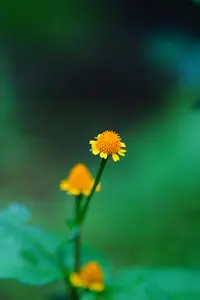
Continuous harvest strategy

Pinch or snip young shoots frequently rather than taking large cuts infrequently, which keeps the plant compact and stimulates ongoing leaf and flower production when growing marsh para cress.

Moisture basin setup

In hot or windy sites, sink the pot into the ground or place it in a wide tray filled with coarse gravel and water so the root zone stays evenly moist without leaving the crown sitting in water.

Targeted slug control

Use iron phosphate slug bait or set shallow beer traps around the bed at dusk, since the soft, low foliage is especially attractive to slugs and snails in damp conditions.

Seasonal succession planting

Start a second batch from seed or cuttings 4–6 weeks after the first planting so young plants are ready to take over as older clumps become woody or less productive later in the season.

Common Pests and Diseases

Leaf miner damage

This pest lives inside the leaf tissue and creates pale, winding tunnels on the soft foliage. Symptoms include distorted young leaves and reduced growth in heavily attacked plants.

Solution

Remove and discard leaves showing active mines to reduce larval numbers, and avoid overhead shading that keeps foliage damp and tender for long periods. For repeated problems, use yellow sticky traps to monitor adult flies and apply a neem oil or spinosad spray directed to the leaf surfaces where adults feed, following label directions.

Aphids

These insects cluster on tender shoot tips and undersides of leaves, sucking sap and causing curling, yellowing, and sticky honeydew that can attract sooty mold. Young growth of this moisture-loving herb is especially attractive during warm, mild weather.

Solution

Rinse colonies off with a strong but controlled stream of water, focusing on stems and leaf undersides. If numbers stay high, apply insecticidal soap or neem oil in the early morning, and remove nearby weedy hosts to reduce reinfestation while keeping plants well watered but not overfertilized with nitrogen.

Flea beetles

These insects chew many small, round holes in the leaves, giving a shot‑holed or sieve‑like appearance, and can slow growth in young plants. Damage is often worse in sunny, open beds, especially in warm weather.

Solution

Protect seedlings and small plants with floating row covers until well established, and keep surrounding areas free of weedy hosts from the Asteraceae family. For ongoing issues, use yellow sticky traps to monitor activity and apply a light layer of fine mulch around plants to reduce beetle movement, supplementing with a targeted spinosad spray when damage becomes severe.

Leaf spot

This disease causes small water‑soaked lesions that expand into brown or tan spots, sometimes with yellow halos, on the thin, succulent leaves. In humid, crowded conditions, spots can merge and lead to partial defoliation.

Solution

Promptly remove and discard heavily spotted leaves, then thin or space plants to improve air movement and speed drying of foliage. Water at the base in the morning rather than overhead, and in persistent cases rotate plantings to a new bed and use a copper‑based fungicide labeled for leafy herbs, applied according to instructions.

Powdery mildew

This disease appears as white or grayish powdery patches on upper leaf surfaces, which can cause leaf yellowing, distortion, and reduced vigor. Symptoms are more common when days are warm, nights are cool, and air circulation is poor around dense stands of plants.

Solution

Increase spacing, trim excess foliage, and avoid overhead watering to keep leaves dry and reduce humidity around the plant canopy, a key aspect of Acmella uliginosa plant care in warm climates. At first signs, remove the most affected leaves and treat remaining foliage with sulfur or potassium bicarbonate products labeled for edible herbs, following all safety intervals before harvest.

Interesting Facts

Native wetland specialist

This species naturally occurs in seasonally wet or marshy habitats in tropical America, where it thrives in periodically flooded soils that many other herbs cannot tolerate.

Persistent flowering habit

In warm, frost-free climates, the plant can produce small yellow flower heads over extended periods, often continuing to bloom as long as moisture and nutrients remain adequate.

Spreading growth strategy

It forms low, spreading clumps and can root at nodes where stems touch moist soil, allowing it to colonize disturbed, open wet areas efficiently.

FAQs about marsh para cress

Poor flowering usually comes from insufficient light, low nutrients, or plants that are too young. Ensure a full growing season, moderate feeding, and regular deadheading. Avoid heavy pruning late in the season, which removes developing buds.

Grow Healthy Plants with Botan Care

Keep your plants happy and healthy with plant identification, disease detection, and easy care guidance.

Botan plant care app — identify plants on mobile

Explore More Plants