


Encourage Low Mounding
Pinch very young shoot tips once or twice early in the season to encourage a denser, low mound rather than a few lanky stems, which helps cover soil quickly and suppress weeds when growing Chile trefoil.

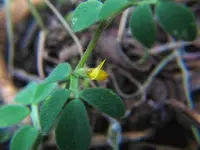
Chile trefoil (Acmispon wrangelianus) is a small annual legume native to California and parts of the western United States. It often appears in grasslands, open woodlands, and disturbed sites.
Plants typically form low, spreading mats with fine stems, small divided leaves, and delicate yellow to orange pea-like flowers. The overall look is light and airy rather than dense.
This species is adapted to dry, sunny habitats and poor, well-drained soils, which makes it relatively undemanding once established outdoors. Understanding how to care for Chile trefoil mainly involves providing sun, good drainage, and avoiding excessive watering.

Care Difficulty
Easy Care

Light Preference
Full Sun

Water Requirements
Low Water

Temperature Preference
Warm Climate

Hardiness Zone
7–10

Soil Texture
Sandy, Loamy, Rocky

Soil pH
Slightly acidic (6.5–7.0), Neutral (7.0)

Soil Drainage
Well-drained

Fertilization
Minimal (feed rarely)
Scan your plant to receive care tips personalized for your specific plant
Available on iOS and Android
This low-growing native legume prefers bright, direct conditions typical of open coastal or grassland sites.
This species is adapted to dry, well-drained sites and is sensitive to prolonged soil wetness.
This annual or short-lived perennial prefers mild, Mediterranean-type conditions with cool, moist winters and dry summers.
Humidity is rarely limiting for Acmispon wrangelianus, which adapts well to dry outdoor air.
Acmispon wrangelianus prefers lean, fast-draining soil that mimics its native dry, open habitats.
This small, short-lived species can be grown in containers, mainly for seasonal display or seed production outdoors.
Acmispon wrangelianus is a small native legume that usually needs little or no fertilizer in garden soil.
Acmispon wrangelianus benefits from light, targeted pruning to keep plants compact and flowering well.
This species is usually grown in the ground, so focus on careful transplanting rather than frequent repotting.
Propagation of Acmispon wrangelianus is most practical from seed for home gardeners.
This annual or short-lived perennial is adapted to mild, wet winters and usually needs minimal winter care.

Plant Health Check
Not sure what's wrong with your plant? Check your plant's health inside the app.
This small annual legume forms root nodules with nitrogen-fixing bacteria, helping enrich poor, sandy soils in California grasslands early in the growing season.
It is strongly associated with open, disturbed, or thin-soil sites such as roadsides, fields, and rocky slopes, where its low, spreading habit helps it avoid shading by taller grasses.
Despite its delicate appearance and small flowers, it provides an important early food source for native bees and other pollinators in its coastal and foothill range.

This species is considered a characteristic component of many California annual wildflower communities, often appearing in diverse spring displays alongside poppies and lupines, which makes it useful as an indicator of relatively intact native grassland and coastal scrub vegetation.
This species is usually an annual in the wild, completing its life cycle in 1 growing season. In mild, frost-free areas, some plants may behave as short-lived perennials but typically reseed instead of persisting for many years.
Keep your plants happy and healthy with plant identification, disease detection, and easy care guidance.

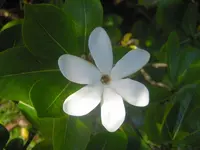
Tahitian Gardenia
Gardenia taitensis
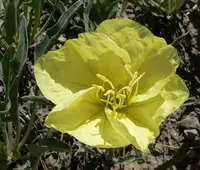
Howard's evening primrose
Oenothera howardii
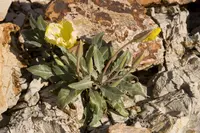
shortfruit evening primrose
Oenothera brachycarpa
-200x150.webp)
Astilbe × rosea
Astilbe × rosea
New Zealand Bamboo Orchid
Earina mucronata
dwarf spotflower
Acmella pusilla
clamshell orchid
Prosthechea cochleata
purple mountain saxifrage
Saxifraga oppositifolia