Cape Wild Banana Care (Strelitzia alba)

Also known as: white-flowered wild banana, white bird-of-paradise flower, White Bird-of-Paradise, Cape Strelitzia, Cape Mock Banana, Wild Mealie
Cape Wild Banana

About Cape Wild Banana

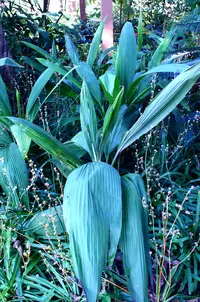
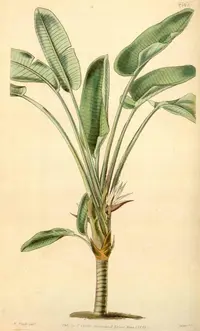
The Cape wild banana, Strelitzia alba, is a large evergreen plant related to the bird of paradise. It forms thick clumps of upright stems with broad, paddle-shaped leaves. Mature plants can resemble a small, multi-stemmed tree rather than a soft herbaceous plant.

In nature it grows in coastal and forested areas of South Africa, where conditions are mild and rarely freezing. Its tough leaves, strong roots, and slow to moderate growth make it fairly resilient but not ideal for very small spaces.

This species prefers bright light, room to spread, and well-drained soil, which influences how to care for Cape Wild Banana in homes and gardens.

Main Plant Requirements

Care Difficulty

Moderate Care

Light Preference

Full Sun

Water Requirements

Moderate Water

Temperature Preference

Tropical / Frost Sensitive

Hardiness Zone

9–11

Soil Texture

Sandy, Loamy, Organic-rich

Soil pH

Acidic (5.5–6.5), Slightly acidic (6.5–7.0)

Soil Drainage

Moist but well-drained

Fertilization

Light (every 4–6 weeks)

Get Personalized Care Plan

Scan your plant to receive care tips personalized for your specific plant

Available on iOS and Android

How to Care for the Cape Wild Banana

This species thrives in bright, strong light similar to open, subtropical sites.

  • Provide 6–8 hours of bright light daily, with full morning sun and very bright, filtered light or light shade in hot afternoon periods.
  • Outdoors, Strelitzia alba handles open sun in mild coastal or temperate climates but benefits from slight midday shade in very hot, inland areas.
  • In too little light, leaves elongate and flop; in excessive harsh sun, especially through glass, leaf edges scorch and turn brown, so adjust exposure seasonally.

Watering should support steady growth while keeping roots well aerated.

  • Irrigate when the top 3–5 cm of soil feels dry, allowing deeper soil to stay slightly moist but never waterlogged.
  • Ensure sharply draining soil; yellowing, soft leaf bases and a sour smell indicate overwatering, while crisp leaf edges and folding leaves signal underwatering.
  • Reduce watering volume and frequency in cooler months when growth slows, but do not allow soil to stay completely dry for long periods during active spring–summer growth.

Temperature management is important for strong foliage and root health.

  • Best growth occurs at 65–80°F (18–27°C), with stable conditions and good air movement around the foliage.
  • This plant tolerates brief drops to about 40°F (4°C) but suffers tissue damage near freezing and is not frost hardy.
  • In hot spells above 90°F (32°C), protect from reflected heat, increase shade slightly, and maintain soil moisture to prevent heat stress and leaf scorch.

This species grows best in moderately humid air but tolerates typical indoor levels.

  • Aim for 40–60% humidity for steady growth, which suits most homes using central heating or cooling.
  • Dry air can brown leaf edges and tips; combined with heat, it may also cause leaf curling and slower new growth.
  • Increase humidity by grouping plants, placing the Cape Wild Banana near a pebble tray, or running a small nearby humidifier.

Strelitzia alba prefers a deep, well-aerated, fast-draining mix that still holds some moisture.

  • Use a mix of roughly 50% peat- or coco-based potting mix, 25% perlite or pumice, and 25% chunky bark to create a loose, structural substrate.
  • Aim for slightly acidic to neutral pH around 6.0–7.0 to support nutrient availability and healthy root function.
  • Ensure rapid drainage so water runs freely from the pot within seconds, preventing waterlogging and oxygen-poor conditions around the roots.
  • Avoid dense clay-heavy mixes or pure compost, which compact easily and create chronically wet pockets that increase root rot risk.

This bird of paradise relative adapts well to container growing when the pot is chosen for its large, upright root system.

  • Select a tall, heavy pot to counterbalance the plant’s top-heavy foliage and reduce the risk of tipping in wind or high-traffic areas.
  • Leave a clear 3–5 cm gap below the rim so deep, thorough watering does not overflow and can flush salts evenly through the root zone.
  • Use a slightly wider base or add weight (stones or bricks) at the bottom of the pot to increase stability without restricting drainage pathways.

Strelitzia alba benefits from moderate, consistent feeding during the active growing season to support large leaves and strong clumps.

  • Use a balanced NPK fertilizer (such as 10-10-10 or 14-14-14) or a quality slow-release granular product for container and garden plants.
  • Feed every 4–6 weeks in spring and summer, or once per season with slow-release, to support healthy growth when caring for Cape Wild Banana.
  • Dilute liquid fertilizer to 1/2 strength to avoid salt buildup, especially in containers with limited leaching.
  • Reduce or stop feeding in fall and winter when growth slows, resuming only once new growth appears in spring.

Pruning Strelitzia alba focuses on removing old foliage to maintain a clean, structurally sound clump.

  • Carry out main pruning in late winter or early spring before strong new growth, with light tidying at any time of year.
  • Cut dead, yellowing, torn, or pest-damaged leaves at the base using clean, sharp pruners or a knife.
  • Remove crowded or crossing leaf stalks only if they restrict airflow or access, to maintain a stable, fan-like shape.
  • Disinfect tools between plants and sizable cuts to limit disease spread and improve healing of thick leaf bases.

Container-grown Strelitzia alba prefers tight quarters but benefits from repotting or transplanting when rootbound or declining.

  • Check for crowded roots circling the pot, roots emerging from drainage holes, or slowed growth despite good care as signals to repot.
  • Plan repotting or transplanting for late spring or early summer, every 3–5 years, when temperatures are stable and growth is active.
  • Move into a pot 2–5 cm wider with well-draining, slightly rich mix, keeping the root ball at the same soil level.
  • Handle the root mass gently, water thoroughly after moving, and shade from harsh sun for 3–7 days to reduce transplant shock.

Strelitzia alba is most reliably propagated by division, with seeds used mainly for patient growers or breeding work.

  • Divide mature clumps in late spring or early summer when actively growing and daytime temperatures are warm.
  • Lift or unpot the plant, then separate sections with at least 1 strong stem and healthy roots using a clean, sharp knife or saw.
  • Plant divisions into well-draining mix, keep slightly moist, and maintain bright, indirect light and 70–80°F to encourage new root growth.
  • Sow fresh seeds in a warm (75–85°F), bright environment, lightly covered, and expect slow, uneven germination over several months.

Strelitzia alba is frost-sensitive and needs thoughtful winter care in climates colder than its native mild conditions.

  • In-ground plants in mild climates tolerate light chills but are damaged by hard frost, especially prolonged freezes below 30°F.
  • Apply a 5–8 cm layer of mulch around the root zone in fall, keeping it slightly away from the stems to insulate soil.
  • Move container plants indoors or into a bright, frost-free greenhouse before night temperatures drop near 40°F.
  • Provide maximum light indoors, reduce watering so soil dries slightly between waterings, and avoid feeding until growth resumes in spring.

Care Tips

Rotate For Symmetry

Turn the pot 90° every 2–3 weeks so the plant develops an even, upright canopy instead of leaning strongly toward the main light source.

Use Discreet Staking

Install 1–3 sturdy stakes close to the stems and secure them with soft plant ties in a loose figure‑8 to support heavy leaves and prevent splitting or stem breakage in tall specimens.

Leaf Cleaning Routine

Wipe both sides of each leaf with a barely damp microfiber cloth every 2–4 weeks to remove dust, improve light capture, and reduce spider mite activity when caring for Cape Wild Banana.

Controlled Root Crowding

Repot only when roots are circling tightly or pushing up from the surface, since keeping the root ball slightly snug can encourage stronger growth and more reliable new leaves.

Gradual Light Acclimation

When moving the plant to a brighter spot or outdoors for summer, increase light exposure over 7–10 days by starting in bright shade and slowly shifting closer to stronger light to prevent leaf scorch.

Common Pests and Diseases

Red spider mites

This pest thrives on Strelitzia foliage in warm, dry indoor air and causes stippled, dull leaves and fine webbing on the undersides. Symptoms include slowed growth and leaves that yellow or bronze over time.

Solution

Increase humidity around the plant, then rinse both sides of leaves thoroughly with a strong but gentle stream of lukewarm water, repeating weekly until populations drop. For heavier infestations, apply an insecticidal soap or neem oil spray to all leaf surfaces and stems every 7–10 days, keeping the plant out of direct sun until foliage dries.

Scale insects

These insects appear as small, dome-shaped bumps on stems and leaf midribs, sucking sap and excreting sticky honeydew that can attract sooty mold. Affected plants often show weak growth and yellowing patches along the leaves.

Solution

Physically remove visible scale with a cotton swab dipped in isopropyl alcohol, then wipe down stems and midribs. Follow up with regular applications of horticultural oil or neem oil, ensuring thorough coverage of stems and leaf bases where scale tends to hide.

Mealybugs

This pest hides in leaf axils and at the base of the petioles, forming white, cottony clusters and causing distorted new growth and sticky honeydew. In indoor settings, populations can build quickly if not caught early.

Solution

Isolate the plant, then dab or wipe off clusters with a cotton swab or soft cloth moistened with isopropyl alcohol, taking care to reach into tight leaf junctions. Repeat inspections weekly and use insecticidal soap or neem oil spray on all aboveground parts until no new insects appear.

Leaf spot

This disease causes brown or tan lesions with darker edges on the broad leaves, often starting where water sits on the surface. In severe cases, spots can merge, leading to larger dead patches and a ragged appearance as tissue dries and tears.

Solution

Prune off and discard the most affected leaves, sterilizing tools between cuts, and avoid wetting the foliage late in the day. Improve air circulation, keep leaves dry when possible, and if spots continue to spread, use a labeled copper or broad-spectrum fungicide according to instructions, focusing on new leaves.

Crown and root rot

This disease develops when the thick rhizome and roots stay in poorly drained, waterlogged soil, leading to collapse of lower leaf bases and a sour smell from the potting mix. Symptoms include wilting despite moist soil and blackened, mushy roots or crown tissue.

Solution

Remove the plant from its pot, cut away all soft, dark roots and crown tissue with sterile tools, and repot in fresh, sharply draining mix in a pot with large drainage holes. Reduce watering, allow the top layer of soil to dry between waterings, and provide bright light and good airflow to support recovery; severely affected plants may not survive even with treatment.

Interesting Facts

Southern Cape specialist

This species occurs naturally in a relatively limited range in South Africa’s Southern and Eastern Cape coastal forests, often on steep, rocky slopes and forest margins rather than open grassland like some other Strelitzia species.

White, boat-shaped flowers

Its inflorescences produce large white flowers with a boat-shaped spathe and pale inner petals that lack the bright orange and blue colors typical of the common bird of paradise, giving it a more subdued, structural look.

Robust clumping habit

Plants form substantial clumps from a woody rhizome over time, with individual stems carrying large, paddle-shaped leaves that can create a small tree-like presence in the landscape under suitable conditions.

Botan icon

Did you know?

Strelitzia alba has historically been considered one of the less frequently cultivated Strelitzia species compared with Strelitzia reginae and Strelitzia nicolai, in part because its large size, white flowers, and more restricted native range have made it more of a collectors’ species than a standard ornamental in global horticulture.

FAQs about Cape Wild Banana

Brown, crispy edges usually result from low humidity, underwatering, salt buildup from fertilizer, or strong drafts. Rinse the pot thoroughly, adjust watering, increase humidity slightly, and keep the plant away from heating or air-conditioning vents.

Grow Healthy Plants with Botan Care

Keep your plants happy and healthy with plant identification, disease detection, and easy care guidance.

Botan plant care app — identify plants on mobile

Explore More Plants