shortfruit evening primrose Care (Oenothera brachycarpa)

shortfruit evening primrose

About shortfruit evening primrose

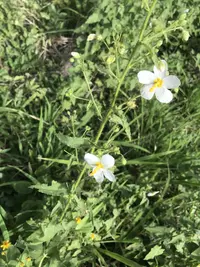
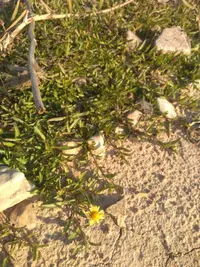
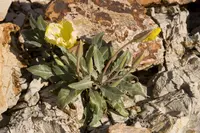
Shortfruit evening primrose, Oenothera brachycarpa, is a small, herbaceous perennial known for its soft gray-green foliage and pale yellow, evening-opening flowers. It forms low, mounded clumps that fit well in rock gardens, prairie plantings, and naturalistic borders.

This species is native to central and southwestern North America, where it grows in open, dry habitats such as grasslands and sandy or rocky slopes. Its drought tolerance and modest nutrient needs make it relatively easy to maintain once established.

Gardeners who want to learn how to care for shortfruit evening primrose should note that it generally prefers full sun, sharply drained soil, and low to moderate moisture without prolonged wet conditions.

Main Plant Requirements

Care Difficulty

Easy Care

Light Preference

Full Sun

Water Requirements

Low Water

Temperature Preference

Cold Hardy

Hardiness Zone

4–9

Soil Texture

Sandy, Loamy, Rocky

Soil pH

Slightly acidic (6.5–7.0), Neutral (7.0)

Soil Drainage

Well-drained

Fertilization

Minimal (feed rarely)

Get Personalized Care Plan

Scan your plant to receive care tips personalized for your specific plant

Available on iOS and Android

How to Care for the shortfruit evening primrose

This sun-loving prairie perennial flowers best in open, bright conditions.

  • Provide 6–8 hours of direct sun daily, with at least 4 hours of gentle morning sun; shortfruit evening primrose also tolerates light afternoon shade in hotter regions.
  • In very hot summers, protect from intense late-afternoon sun with dappled or filtered shade to reduce leaf scorch and premature flower fade.
  • In autumn and early spring, ensure plants are not shaded by taller vegetation or structures so they still receive a minimum of 4–5 hours of direct light.

This species prefers dry to moderately dry soil and is sensitive to excess moisture.

  • Allow the top 5–7 cm of soil to dry fully before watering; in well-drained ground this often means waiting until foliage looks slightly less turgid but not wilted.
  • Increase watering only during extended drought or extreme heat, checking that water drains quickly and does not puddle around the crown of Oenothera brachycarpa.
  • Reduce or stop supplemental water in cool seasons when growth slows, and watch for yellowing, soft stems, or a sour soil smell as signs of overwatering.

This drought-adapted perennial handles a wide temperature range once established.

  • Optimal active growth occurs around 65–80°F (18–27°C), with steady flowering in warm, dry conditions typical of late spring and summer.
  • Mature plants tolerate heat up to about 95°F (35°C) if soil is well drained and air movement is good, but flowering may pause during extreme heat waves.
  • Cold-hardy to roughly -20°F (-29°C) in the ground, it survives normal winter freezes; however, young plants benefit from mulch protection during the first winter.

This species is adapted to dry climates, so humidity is rarely a concern indoors or outdoors.

This species prefers lean, sandy to rocky soil with rapid drainage and low to moderate fertility.

  • Use a mix of 50–70% coarse sand or fine gravel with the rest a light loam or standard potting mix.
  • Aim for slightly acidic to neutral pH, roughly 6.0–7.2, which suits Oenothera brachycarpa in most regions.
  • Improve drainage and aeration by adding perlite or pumice instead of peat-heavy amendments that hold excess water.
  • Avoid heavy clay, compacted, or waterlogged sites, which quickly lead to root decline and reduced flowering.

This species can be grown in containers if the pot is set up to mimic its dry, fast-draining native conditions.

  • Choose a relatively wide, shallow pot that allows lateral root spread and prevents the mix from staying wet in the lower zone.
  • Use a gritty substrate and elevate the pot on feet so runoff clears quickly and the drainage holes never sit in a saucer of water.
  • Select a breathable material such as unglazed terracotta in windy, sunny spots to stabilize the plant while still allowing the mix to dry quickly.

This drought-tolerant native shortfruit evening primrose needs only light, infrequent feeding in average garden soil.

  • Use a thin top-dressing of compost or a low-dose balanced granular fertilizer (around 10-10-10) in early spring.
  • Limit feeding to 1–2 times during the growing season for in-ground plants; containers may need 1 extra light application.
  • Apply at half the label rate to avoid lush, floppy growth that reduces flowering and drought tolerance.
  • Do not feed in fall or winter, when growth slows and nutrients are not effectively used.

Pruning Oenothera brachycarpa is mainly about tidying plants and encouraging more blooms.

  • In late spring to midsummer, shear or deadhead spent flower stalks to extend blooming and keep a compact mound.
  • Remove dead, damaged, or diseased stems promptly with clean, sharp scissors or hand pruners.
  • Thin crowded stems lightly to improve air flow and reduce fungal issues in humid or rainy periods.
  • In late fall, cut back dry stems near the base if a tidier winter look is preferred, or leave for wildlife habitat.

This perennial is usually grown in the ground and dislikes frequent disturbance, so transplant only when clearly needed.

  • Transplant in early spring or early fall, when temperatures are mild and soil moisture is steady.
  • Move plants only if growth declines, clumps crowd neighboring plants, or soil conditions are poor for long-term health.
  • Dig a wide, shallow hole and lift the root system with as much surrounding soil as possible to reduce root stress.
  • Water deeply after transplanting, then keep soil lightly moist (not saturated) for 1–2 weeks while roots re-establish.

Oenothera brachycarpa is most often propagated from seeds, with occasional division of established clumps.

  • Sow ripe seeds outdoors in fall or late winter so natural cold stratification improves germination in spring.
  • For controlled starts, surface-sow seeds indoors 6–8 weeks before last frost under bright light and 60–70°F conditions.
  • Keep the seed mix just moist, not wet, since fine seeds rot easily in saturated media.
  • Divide mature clumps in early spring, replanting sections promptly and watering well to re-establish roots.

This species is generally cold hardy in much of the US and needs minimal winter care in the ground.

  • In climates with freeze–thaw cycles, add a light 2–5 cm mulch layer after the ground cools to stabilize soil temperature.
  • Avoid heavy, soggy mulches that hold excess moisture around the crown, which can lead to rot.
  • Move container-grown plants to a sheltered spot with good drainage so pots do not sit in ice or standing water.

Care Tips

Encourage Compact Growth

Pinch back the soft tips of young stems in late spring to promote a denser, more wind-resistant mound and extend the overall flowering period.

Light Gravel Mulch

Apply a 1–2 cm layer of fine gravel or grit around the crown to keep the root zone dry at the surface, reduce crown rot risk, and prevent soil from splashing onto foliage during rain or irrigation.

Targeted Deadheading

Shear off spent flower clusters just above fresh side shoots every 1–2 weeks during peak bloom to keep the plant tidy and to encourage repeat flowering instead of early seed set.

Winter Drainage Check

Ahead of winter, confirm that the planting area sheds water within a few hours after heavy rain, and if not, lightly regrade or add extra grit to the top 5–8 cm of soil to protect crowns from sitting in cold, wet conditions.

Establish in Modules

When growing shortfruit evening primrose in larger beds, plant in small groups of 3–5 spaced 20–30 cm apart so the clumps knit together into a stable, weed-suppressing groundcover that is easier to maintain long term.

Common Pests and Diseases

Aphids

These insects cluster on young stems and buds, sucking sap and causing distortion, sticky honeydew, and sooty mold on foliage.

Solution

Rinse colonies off flower spikes and foliage with a firm stream of water, then spot-treat remaining clusters with insecticidal soap or a ready-to-use neem oil spray, repeating weekly until controlled. Encourage natural predators such as lady beetles by avoiding broad-spectrum insecticides and keeping nearby vegetation diverse when growing shortfruit evening primrose in mixed plantings.

Spider mites

These pests appear in hot, dry weather, causing fine stippling, bronzing, and occasional webbing on leaves that can lead to premature leaf drop.

Solution

Increase humidity around plants with occasional overhead rinsing, then spray both leaf surfaces with insecticidal soap or horticultural oil, repeating every 5–7 days until new growth appears clean. Reduce plant stress by avoiding drought extremes and maintaining moderate air movement around clumps.

Leaf spot

This disease causes small brown to tan lesions on foliage that may merge, leading to early yellowing and thinning of leaves, especially in humid or crowded plantings.

Solution

Remove and discard affected leaves and any dense debris around the crown to improve air circulation, then water at soil level to keep foliage as dry as possible. In recurrent, severe cases, apply a labeled ornamental fungicide early in the season and thin surrounding plants to reduce prolonged leaf wetness.

Powdery mildew

This disease produces white, powdery patches on leaves and stems, which can lead to dull, distorted foliage and reduced flowering late in the season.

Solution

Prune out heavily covered shoots and dispose of them, then space plants so air can move freely through the clump and avoid overhead watering in the evening. For persistent problems, use a sulfur or potassium bicarbonate fungicide labeled for ornamentals, starting at the first sign of infection.

Interesting Facts

Short seed capsules

This species gets the name brachycarpa, meaning short-fruited, from its noticeably short, stubby seed capsules compared with many other evening primroses that have longer, slender fruits.

Evening-opening flowers

Its pale yellow flowers typically open toward evening and may fade by the following day, matching the classic evening primrose pattern that supports dusk-active pollinators such as moths.

Great Plains native

This plant is naturally distributed in the central and southern Great Plains of North America, where it grows in open, often dry habitats like prairies and rocky slopes adapted to full sun and relatively low fertility soils.

FAQs about shortfruit evening primrose

This species is highly attractive to night-flying moths, native bees, and other small pollinators. Its pale evening-opening flowers provide nectar and pollen, so it is useful in wildlife-friendly gardens and habitat plantings.

Grow Healthy Plants with Botan Care

Keep your plants happy and healthy with plant identification, disease detection, and easy care guidance.

Botan plant care app — identify plants on mobile

Explore More Plants