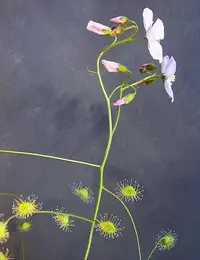
dwarf spotflower Care (Acmella pusilla)

dwarf spotflower

About dwarf spotflower

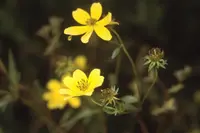
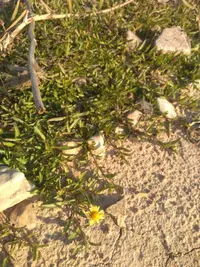
Dwarf spotflower, Acmella pusilla, is a small, spreading annual herb in the aster family, often used as a groundcover in warm climates. It forms low mats of fine foliage dotted with tiny button-like flower heads.

This species is native to tropical and subtropical regions of the Americas and has naturalized in some warmer parts of the world. Its compact growth and quick life cycle make it easy to manage in garden beds or containers.

It generally prefers sunny to lightly shaded spots, consistent moisture, and well-drained soil. These simple needs mean that learning how to care for dwarf spotflower is straightforward for most home gardeners.

Main Plant Requirements

Care Difficulty

Moderate Care

Light Preference

Partial Sun

Water Requirements

Regular Water

Temperature Preference

Warm Climate

Hardiness Zone

9–11

Soil Texture

Sandy, Loamy, Organic-rich

Soil pH

Acidic (5.5–6.5), Slightly acidic (6.5–7.0)

Soil Drainage

Moist but well-drained

Fertilization

Light (every 4–6 weeks)

Get Personalized Care Plan

Scan your plant to receive care tips personalized for your specific plant

Available on iOS and Android

How to Care for the dwarf spotflower

This small annual prefers bright, open conditions with some protection from intense midday sun.

  • Provide 6–8 hours of direct sun, ideally with gentle morning sun and light afternoon shade, especially in hot climates.
  • Tolerates partial shade (3–4 hours sun) but flowering of dwarf spotflower decreases and stems may stretch in lower light.
  • In summer, monitor for leaf scorch in harsh afternoon sun; in cooler seasons, choose the sunniest available spot to maintain compact, floriferous growth.

This shallow-rooted species needs consistently moist but not waterlogged soil during active growth.

  • Outdoors, water when the top 2–3 cm of soil feel dry, using a slow soak so moisture reaches the full root zone, then let excess drain away.
  • Use soil with very good drainage; prolonged puddling, sour smell, or limp, yellowing foliage indicates overwatering or poor aeration.
  • In cooler weather or when growth slows, extend intervals between waterings and watch for wilting, crisp leaf edges, or drooping stems as signs the plant is too dry.

This warm-season annual grows best in mild to warm conditions without exposure to frost.

  • Aim for 70–85°F (21–29°C) for fastest growth; plants still perform acceptably at 65°F (18°C) but slow below this range.
  • Acmella pusilla is frost-tender; growth stops near 40°F (4°C) and plants are usually killed by light frost, so sow or plant out after the last frost date.
  • In hot spells above 90°F (32°C), flowering may pause; provide extra water and light afternoon shade to reduce heat stress and leaf scorch.

This species manages well in typical indoor humidity if extremes are avoided.

  • Aim for 40–60% humidity; it tolerates brief dips lower but avoid very arid, heated rooms.
  • Dry, crisp leaf edges or slow growth signal humidity stress, especially during hot weather.
  • Increase humidity by clustering plants, placing the pot on a pebble tray with water, or using a small room humidifier near dwarf spotflower.

This species prefers loose, moderately fertile, well-drained soil that stays slightly moist but not waterlogged.

  • Use a light loam or sandy loam with 30–40% compost to provide structure and steady nutrients.
  • Ensure fast drainage by blending in perlite or coarse sand at about 20–30% of the mix volume.
  • Target slightly acidic to neutral pH around 6.0–7.0, which supports balanced nutrient uptake for Acmella pusilla.
  • Avoid heavy clay, compacted soil, or mixes that stay soggy, which can reduce root oxygen and encourage rot.

This species is suitable for container growing on balconies, patios, or small gardens.

  • Choose a broad, shallow-to-medium pot that allows lateral root spread and supports its low, spreading habit.
  • Select a stable container material, such as ceramic or thick plastic, to prevent tipping in wind when foliage is full.
  • Elevate the pot slightly on feet or bricks so drainage holes clear quickly and runoff does not re-soak the root zone.

Acmella pusilla grows well in modestly fertile soil and only benefits from light feeding during active growth.

  • Apply a balanced liquid fertilizer at 1/4–1/2 strength every 4–6 weeks in spring and summer.
  • Use a balanced NPK product or thin layer of compost for outdoor beds.
  • Skip feeding in winter or any dormant period to avoid weak, leggy growth.
  • Flush containers with plain water occasionally to prevent fertilizer salt buildup around roots.

Pruning Acmella pusilla is simple and helps maintain a compact, flowering habit.

  • Pinch or shear spent flower stalks through spring and summer to encourage new blooms and branching.
  • Remove dead, damaged, or weak stems at the base with clean, sharp scissors or snips.
  • Thin crowded stems slightly to improve airflow and reduce foliar disease risk.
  • Cut back untidy growth lightly at the end of the season to neaten the plant.

This shallow-rooted annual is usually transplanted rather than repeatedly repotted.

  • Transplant seedlings outdoors in spring after frost when roots lightly fill starter cells but are not circling.
  • Move plants to a slightly larger pot only if roots emerge from drainage holes or growth stalls in containers.
  • Handle the root ball gently, keeping soil intact, and water thoroughly to settle roots and limit stress.
  • Space outdoor plants to their mature spread in loose, well-drained soil to reduce later disturbance.

Propagation of Acmella pusilla is most efficient from seed under warm, bright conditions.

  • Sow seeds in late winter or spring on the surface of moist, well-drained seed mix since they need light to germinate.
  • Maintain 70–75°F and even moisture; seedlings usually emerge in 7–14 days.
  • Provide strong light to prevent stretching and improve survival after transplanting.
  • Harden off young plants before moving outdoors by gradually increasing light and wind exposure.

In most climates this species behaves as a tender annual, so long-term winter care is minimal.

  • It is frost-sensitive; plants usually die back with the first hard frost and reseed or are resown.
  • Apply a light mulch only where self-sown seeds are desired, avoiding thick layers that block germination.
  • For dwarf spotflower grown in pots, collect seed before frost or overwinter a few containers indoors under bright light.

Care Tips

Encourage Compact Growth

Pinch back young shoots every 2–3 weeks during active growth to keep plants low, bushy, and densely flowering rather than tall and floppy when growing dwarf spotflower.

Timing Succession Sowing

Stagger sowing dates by 2–3 weeks in warm seasons so new plants come into bloom as older ones tire, maintaining a continuous display and avoiding gaps in flowering beds or containers.

Protect From Heavy Rain

In areas with frequent downpours, place containers under light overhead cover or use low hoop supports so heavy rain does not flatten stems and splash soil onto foliage, which can encourage disease.

Targeted Slug Management

In damp climates, place low, rough barriers (such as a ring of sharp gravel) around small plantings and hand-pick slugs at dusk to protect tender growth without resorting immediately to broad-spectrum pellets.

Monitor Self-Seeding

Allow some flower heads to dry and drop seed where moderate spreading is welcome, but deadhead promptly in formal beds so plants do not self-sow more aggressively than desired.

Common Pests and Diseases

Leafminers

This pest feeds inside the leaf tissue, creating pale, winding tunnels that can distort and weaken the foliage.

Solution

Remove and discard affected leaves as soon as tunnels appear, then monitor new growth closely. For ongoing issues, use fine mesh row covers to block adult flies, and apply a neem oil spray to young foliage, following label directions to avoid leaf burn.

Spider mites

These insects thrive in hot, dry conditions, causing fine stippling, dull foliage, and light webbing on the undersides of leaves.

Solution

Rinse plants thoroughly with a firm stream of water, focusing on leaf undersides, and increase humidity around the plants. If populations persist, apply insecticidal soap or neem oil at 5–7 day intervals until new growth appears clean.

Aphids

This pest clusters on tender stems and buds, sucking sap and causing curling leaves, sticky honeydew, and sometimes sooty mold growth.

Solution

Spray plants with water to dislodge colonies, then follow with insecticidal soap on all soft tissue, repeating every 5–7 days as needed. Encouraging lady beetles and lacewings or planting near other nectar plants can help keep aphid populations in balance when growing dwarf spotflower outdoors.

Powdery mildew

This disease appears as white, powdery patches on leaves and stems, leading to yellowing and reduced vigor in dense plantings or humid, shaded sites.

Solution

Improve air circulation by thinning crowded plants and avoid overhead watering, especially late in the day. Remove heavily affected leaves and apply a sulfur or potassium bicarbonate fungicide labeled for ornamentals at the first signs of infection.

Interesting Facts

Caribbean wetland specialist

This species is naturally associated with moist, lowland habitats in the Caribbean and parts of tropical America, where it grows in wet pastures, ditches, and other seasonally flooded sites rather than dry uplands.

Tiny composite flowerheads

The yellow flowerheads are very small but are still classic Asteraceae composites, made up of numerous tightly packed disk florets that together function as a single unit to attract small pollinating insects.

Low, mat-forming habit

Instead of forming tall stems, this plant tends to stay low and somewhat prostrate, creating a sparse, mat-like growth that helps it cope with periodic water movement and disturbance in its native wet habitats.

FAQs about dwarf spotflower

Lack of flowers often comes from insufficient light, depleted soil nutrients, or old, spent stems. Deadhead faded blooms, refresh soil with a balanced fertilizer, and ensure strong light exposure to support repeated flowering through the warm season.

Grow Healthy Plants with Botan Care

Keep your plants happy and healthy with plant identification, disease detection, and easy care guidance.

Botan plant care app — identify plants on mobile

Explore More Plants