purple marshlocks Care (Comarum palustre)

Also known as: marsh cinquefoil, purple marsh cinquefoil
purple marshlocks

About purple marshlocks

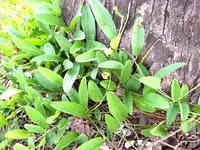
Purple marshlocks (Comarum palustre) is a hardy, herbaceous wetland plant in the rose family, often grown around ponds and naturalistic water gardens. It forms low, spreading clumps with trailing, rooting stems and divided leaves that give a fine, textured look.

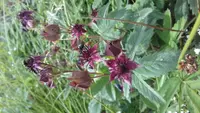
In summer it produces star-shaped, burgundy to purple flowers that attract pollinators and stand out against the green foliage. The species is native to cool, boggy areas of Europe, Asia, and North America, so it thrives in consistently moist to wet soil and full sun to light shade.

Gardeners who care for purple marshlocks usually find it easy if provided with enough water and a non-drying substrate.

Main Plant Requirements

Care Difficulty

Moderate Care

Light Preference

Full Sun

Water Requirements

Aquatic

Temperature Preference

Cold Hardy

Hardiness Zone

3–7

Soil Texture

Loamy, Silty, Peaty

Soil pH

Acidic (5.5–6.5), Slightly acidic (6.5–7.0)

Soil Drainage

Waterlogged tolerant

Fertilization

Minimal (feed rarely)

Get Personalized Care Plan

Scan your plant to receive care tips personalized for your specific plant

Available on iOS and Android

How to Care for the purple marshlocks

This wetland perennial thrives in cool, bright conditions with moderate direct sun exposure.

  • Provide 4–6 hours of sun daily, ideally morning sun with light afternoon shade, especially in warmer regions.
  • Plant in an open spot where taller plants or shrubs give dappled shade, as purple marshlocks foliage can scorch in intense midday sun.
  • In summer, monitor leaf color and scorch; in low light stems stretch and flowering declines, while excessively strong sun causes browning at leaf edges.

This species prefers consistently saturated conditions that mimic marshes, ponds, or stream edges.

  • Maintain soil that is constantly moist to waterlogged; the surface should never dry out more than 0.5–1 cm.
  • In natural or garden ponds, allow Comarum palustre roots to sit in shallow standing water, but avoid stagnant, foul-smelling conditions that indicate anaerobic soil.
  • Watch foliage: drooping, dull leaves suggest insufficient moisture, while yellowing and rotting crowns point to oxygen-poor, compacted, or polluted water.

This hardy wetland plant tolerates a wide temperature range but grows best in cool to mild conditions.

  • Active growth is strongest around 55–70°F (13–21°C), especially in spring and early summer when soil stays cool and moist.
  • Established plants typically survive winter down to about -20°F (-29°C), dying back above ground but resprouting from crowns in spring.
  • In hot spells above 80–85°F (27–29°C), growth can slow; deeper, consistently wet soil or shallow standing water helps buffer heat stress.

This semi-aquatic species adapts to wide humidity but grows best in consistently moist, high-humidity environments.

  • Aim for 60–90% humidity around purple marshlocks, matching conditions near ponds or marsh edges.
  • Plants tolerate brief drier air if soil stays saturated, but leaves may brown at tips in prolonged low humidity.
  • If grown away from natural water, group plants near shallow water trays or small ponds to raise local humidity.

Comarum palustre is a wetland plant that prefers permanently moist, organic-rich substrates.

  • Use a heavy loam with high organic matter, such as garden soil mixed 1:1 with compost, to hold water and nutrients.
  • Allow very slow drainage or even standing water over the crown base, mimicking bog or pond-edge conditions.
  • Keep soil slightly acidic to neutral, roughly pH 5.5–7.0, for optimal nutrient availability and root function.
  • Avoid sandy, fast-draining, or drying raised beds; these prevent stable saturation and lead to weak, water-stressed growth.

This species can be grown in containers when those containers imitate shallow bog or pond-edge conditions.

  • Choose a wide, heavy tub-style container so saturated soil does not tip or shift as spreading stems lengthen.
  • Use minimal or plugged drainage and stand the pot in a water-filled outer basin to maintain a stable water table.
  • Position the container where splashing from nearby water features or irrigation can help keep the upper substrate constantly damp.

Comarum palustre grows in naturally rich, wet soils and usually needs only light, targeted feeding.

  • Use a balanced, low-strength liquid fertilizer (around 10-10-10) at 1/2–1/4 label rate for container or poor-soil plants.
  • Apply every 4–6 weeks during the active growing season if growth or flowering seems weak.
  • In winter or dormancy, stop feeding to avoid forcing soft, weak growth.
  • For naturalistic plantings of purple marshlocks, a thin top-dressing of compost in spring is usually sufficient.

Pruning Comarum palustre focuses on tidying growth and supporting flowering rather than strict shaping.

  • Cut back dead, damaged, or diseased stems at the base in late winter or very early spring.
  • After flowering, shear back spent stems lightly to encourage fresh, compact regrowth.
  • Thin out congested shoots to improve air flow and reduce foliar disease risk.
  • Use clean, sharp hand pruners and avoid cutting into healthy crowns or main rhizomes.

This moisture-loving perennial is more often transplanted in the garden than grown long-term in containers.

  • Transplant in early spring or early fall, when temperatures are mild and soil is evenly moist.
  • Move plants when clumps become crowded, growth declines, or stems flop outward from the center.
  • Lift the clump carefully, keep roots wet, and replant at the same depth into a consistently damp site.
  • For container-grown plants, shift to a slightly larger pot every 2–3 years if roots circle the sides.

Comarum palustre is commonly propagated to expand patches in wetland or pond-side plantings.

  • Divide established clumps in early spring or early fall, replanting sections with several healthy shoots and roots.
  • Take 7–10 cm softwood stem cuttings in late spring, rooting them in saturated but aerated, peat-free mix.
  • Sow fresh seed on the surface of moist substrate; provide cool conditions and consistent moisture for germination.
  • In shallow water or very wet soil, allow creeping stems to root naturally, then detach new plants once well anchored.

This species is cold hardy across much of the US and usually needs minimal winter care in the ground.

  • Tolerates freezing temperatures once established, dying back to its crown and resprouting in spring.
  • In colder zones, add a 5–8 cm mulch layer after the ground cools to buffer freeze–thaw cycles.
  • Container plants are more exposed; overwinter them in a cold, bright, frost-free spot or sink pots into the ground.

Care Tips

Water-margin placement

Position plants at the shallow edge of ponds or in trays kept constantly wet so the crown sits just above water while the roots stay submerged and oxygenated.

Rhizome division timing

Lift and divide thick rhizome clumps in early spring before strong new growth, replanting vigorous sections 20–30 cm apart to maintain flowering performance and reduce congestion.

Aquatic basket use

Grow plants in perforated aquatic baskets lined with hessian or fine mesh so roots can access surrounding water while the substrate stays contained and easy to lift for maintenance.

Seasonal cutback management

After hard frost, cut back dead stems to just above the crown and remove decaying foliage from the water surface to limit fungal issues and excess nutrient build-up.

Bank stabilization planting

Plant several specimens in a staggered pattern along soft pond or stream banks to let their rhizomes knit the soil together and reduce erosion while growing purple marshlocks.

Common Pests and Diseases

Powdery mildew

This disease causes a white, powdery coating on leaves and stems, often in warm, still conditions. Symptoms include distorted new growth and reduced vigor, especially when plants grow in dense stands along pond margins.

Solution

Remove and destroy heavily infected leaves to reduce spore load, then thin or divide plants to improve airflow around the foliage. Avoid overhead watering, keep foliage drier when possible, and if needed apply a sulfur or potassium bicarbonate fungicide labeled for ornamental aquatics, following label directions and protecting fish and other wildlife.

Leaf spot fungi

This disease group produces dark, water-soaked or purplish-brown spots that can merge into larger patches, sometimes with yellowing around them. Symptoms include premature leaf drop in warm, humid weather or when foliage remains wet for long periods.

Solution

Cut off and dispose of affected leaves and any dense dead material around the plant to remove inoculum sources. Improve air movement, avoid constant splashing on foliage, and if outbreaks are severe use a copper-based or chlorothalonil fungicide labeled for ornamental water plants, applied in calm weather and according to local regulations.

Aphids

These insects cluster on tender shoot tips and flower stems, sucking sap and causing curling or deformation of new growth. This pest also excretes sticky honeydew that can lead to sooty mold on the leaves.

Solution

Spray colonies off with a firm stream of water or submerge emergent stems briefly where practical to dislodge them, and pinch off heavily infested shoot tips. For persistent infestations, apply insecticidal soap or a horticultural oil suitable for aquatic or marginal plants, taking care to keep run-off out of fish-containing ponds and repeating treatments as needed.

Leaf-mining flies

These insects create pale, winding tunnels inside the leaf blades, which may turn brown and dry along the mined paths. This pest reduces the photosynthetic area and can make foliage unattractive in dense marsh plantings.

Solution

Remove and discard mined leaves as soon as damage is seen to physically remove larvae before they mature. Encourage natural predators by maintaining plant diversity around the wetland edge, and if damage is extensive, use a systemic insecticide only where legally permitted and away from open water, since many products are hazardous to aquatic organisms.

Spider mites

This pest appears in hot, dry spells when water levels drop and foliage is less humid, causing fine stippling, bronzing, and sometimes delicate webbing on the underside of leaves. Symptoms include dull, speckled foliage that may eventually dry and drop.

Solution

Increase humidity around emergent plants by maintaining stable water levels and gently rinsing foliage, focusing on leaf undersides. For heavier infestations, use insecticidal soap or a light horticultural oil on accessible emergent parts of the plant, repeating at 5–7 day intervals while monitoring for recovery; avoid spraying in full sun or high heat to prevent leaf burn, and consider this approach as part of broader Comarum palustre care instructions.

Interesting Facts

Bog-adapted shrub

This species is a low, suckering shrub that naturally colonizes cold, nutrient-poor bogs and fens, forming dense mats that stabilize peat and slow shoreline erosion.

Unusual flower coloring

Its star-shaped flowers combine deep maroon to purple sepals with much smaller pale petals, a reversal of the petal-dominant display seen in most members of the rose family.

Arctic–temperate range

Comarum palustre occurs across cool regions of the Northern Hemisphere, from subarctic areas to temperate zones, showing strong adaptation to short growing seasons and cold, waterlogged soils.

Botan icon

Did you know?

The flowers of Comarum palustre are highly attractive to a wide range of pollinators, including bees, hoverflies, and beetles, making it an important early- to mid-summer nectar and pollen source in nutrient-poor wetlands where few other showy species bloom at the same time.

FAQs about purple marshlocks

This species spreads steadily by rhizomes and creeping stems in wet soil, forming broad patches over time. In small ponds or rain gardens, use edging or containers to limit spread and allow easier Comarum palustre care.

Grow Healthy Plants with Botan Care

Keep your plants happy and healthy with plant identification, disease detection, and easy care guidance.

Botan plant care app — identify plants on mobile

Explore More Plants