Contain Spreading Edges
Install a shallow edging strip 3–5 cm deep around beds or paths to stop the plant from creeping into lawns or more delicate plantings while still allowing it to function as a groundcover.

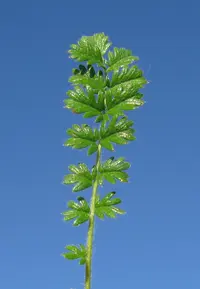
Sheep's burr (Acaena × ovina) is a low, mat-forming perennial often used as a groundcover in rock gardens and between paving stones. It belongs to the rose family and forms dense, fine-textured foliage that can spread across open soil. Small, rounded flower heads turn into burr-like seed heads that may cling to fur or clothing. Acaena × ovina is originally associated with open, sunny, often coastal or alpine habitats in the Southern Hemisphere, depending on the parent species. It is generally considered a tough, drought-tolerant plant, but needs good drainage to avoid root problems. Understanding how to care for sheep's burr starts with providing sun, lean soil, and avoiding waterlogged conditions.

Care Difficulty
Easy Care

Light Preference
Full Sun

Water Requirements
Moderate Water

Temperature Preference
Cold Hardy

Hardiness Zone
6–9

Soil Texture
Sandy, Loamy, Rocky

Soil pH
Slightly acidic (6.5–7.0), Neutral (7.0)

Soil Drainage
Well-drained

Fertilization
Minimal (feed rarely)
Scan your plant to receive care tips personalized for your specific plant
Available on iOS and Android
This low-growing groundcover prefers cool, bright conditions with some protection from intense sun.
This plant prefers steadily moist but never waterlogged soil once established.
This hardy groundcover tolerates a wide range of outdoor temperatures when planted in the ground.
This species handles typical home humidity well and usually does not need special humidity management.
Acaena × ovina prefers freely draining, moderately fertile soil that does not stay wet after watering or rain.
This species is suitable for shallow, wide containers where it can spread as a groundcover accent.
This low-maintenance groundcover grows well in modest soils but benefits from light feeding during active growth.
Light pruning keeps Acaena × ovina dense, tidy, and less likely to smother nearby plants.
This creeping perennial is more often transplanted in the landscape than grown long-term in containers.
This plant is commonly multiplied by division and sometimes from seed to extend groundcover areas.
This hardy groundcover usually needs minimal winter care in temperate climates once established.

Plant Health Check
Not sure what's wrong with your plant? Check your plant's health inside the app.
This natural hybrid is thought to arise where two New Zealand alpine Acaena species grow together in montane grasslands, leading to intermediate features in its foliage and burrs that help botanists recognize it in the field.
The plant forms dense, ground-hugging mats that help stabilize shallow, stony soils in its native habitats and reduce competition from taller herbs and grasses.
Its seed heads develop into small burrs armed with backward-facing hooks that attach firmly to wool, fur, and clothing, an adaptation that allows long-distance dispersal in open, grazed landscapes.
This mat-forming ground cover spreads by creeping stems and can slowly colonize open soil. It is usually manageable in gardens but may edge into nearby beds, so edging or occasional trimming helps contain the patch.
Keep your plants happy and healthy with plant identification, disease detection, and easy care guidance.