


Mark Dormant Clumps
Flag or label plant locations in late summer before foliage dies back so dormant crowns are not disturbed by digging, mulching, or foot traffic over winter.

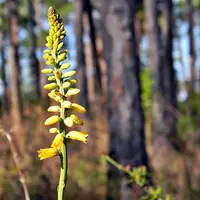
Yellow colicroot (Aletris lutea) is a small, perennial wildflower in the Nartheciaceae family, known for its yellow, bottlebrush-like flower spikes. It typically forms low, grassy rosettes of narrow leaves at the base, with a single tall flowering stalk rising above them.
This species is native to sandy, open habitats in the southeastern United States, often in pine flatwoods and moist, well-drained savannas. It grows slowly and can be challenging to establish in gardens because it dislikes root disturbance and needs consistent soil moisture without waterlogging.
Understanding how to care for yellow colicroot starts with providing sunny, open conditions, acidic sandy soil, and low competition from neighboring plants.

Care Difficulty
Moderate Care

Light Preference
Full Sun

Water Requirements
Regular Water

Temperature Preference
Warm Climate

Hardiness Zone
8–10

Soil Texture
Sandy, Loamy, Organic-rich

Soil pH
Acidic (5.5–6.5)

Soil Drainage
Moist but well-drained

Fertilization
Minimal (feed rarely)
Scan your plant to receive care tips personalized for your specific plant
Available on iOS and Android
This sun-loving wetland perennial performs best with strong light and modest shade protection.
This species is adapted to moist, low-lying habitats and dislikes prolonged drying.
This native perennial is fairly cold hardy but prefers moderate seasonal temperatures for active growth.
This species tolerates a wide humidity range but grows best with moderately moist air.
Aletris lutea prefers acidic, moist yet sharply draining soil that mimics open, sandy, nutrient-poor habitats.
This species can be grown in containers, but it performs best when the pot mimics its naturally deep, free-draining substrate.
Aletris lutea is a nutrient-efficient native that needs only modest feeding when grown in containers or poor soils.
Aletris lutea requires minimal pruning, mainly to keep the clump tidy and healthy.
This species is usually grown in the ground, and transplanting should be done carefully to avoid disturbing its sensitive roots.
Propagation of Aletris lutea is slow and usually done by seed rather than by division or cuttings.
Aletris lutea is generally cold hardy within its native range and needs little specific winter care in the ground.

Plant Health Check
Not sure what's wrong with your plant? Check your plant's health inside the app.
Aletris lutea occurs mainly in wet longleaf pine savannas and flatwoods of the southeastern US Coastal Plain, often in seasonally saturated, acidic sands with very low soil nutrients.
Unlike its more widespread white-flowered relative Aletris farinosa, this species bears dense spikes of distinctly yellow, nodding, urn-shaped flowers that help distinguish it in the field.
Populations are typically associated with frequently burned habitats; regular low-intensity fire maintains the open, sunny conditions and reduced competition that this small perennial requires.

Aletris lutea has a highly restricted natural range, being native only to parts of the southeastern United States, where habitat loss and fire suppression have contributed to its listing as a conservation concern in several states.
This species usually blooms in late spring to early summer, producing tight spikes of small yellow flowers. Individual blooms are short-lived, but the flowering spike can remain attractive for several weeks as new buds open progressively.
Keep your plants happy and healthy with plant identification, disease detection, and easy care guidance.

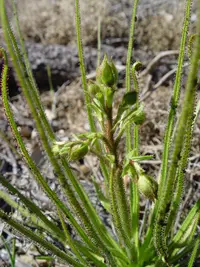
Portuguese sundew
Drosophyllum lusitanicum
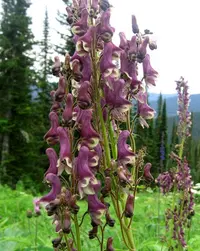
Aconitum leucostomum
Aconitum leucostomum
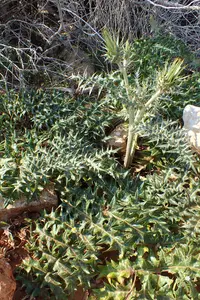
White Artichoke
Cynara cornigera
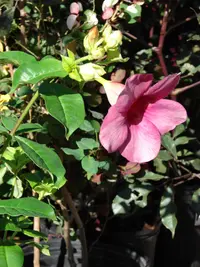
purple allamanda
Allamanda blanchetii
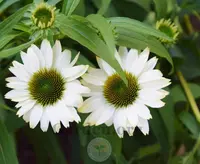
Coneflower
Echinacea purpurea PowWow White
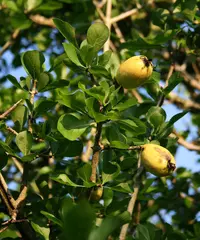
Horned Gardenia
Gardenia cornuta
Acaena splendens
Acaena splendens
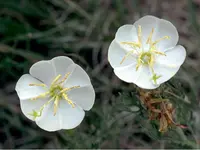
crownleaf evening primrose
Oenothera coronopifolia