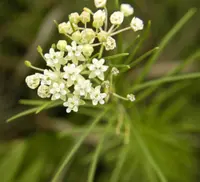
crownleaf evening primrose Care (Oenothera coronopifolia)

crownleaf evening primrose

About crownleaf evening primrose

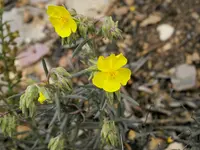
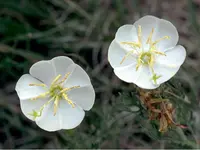
Oenothera coronopifolia, commonly called crownleaf evening primrose, is a small perennial wildflower from dry, open habitats in the western United States. It often grows in rocky slopes, roadsides, and grasslands. Plants form low clumps with narrow gray‑green leaves and showy, usually pale yellow flowers that open in the evening and fade by the next day. This pattern attracts night‑active pollinators such as moths. Crownleaf evening primrose is adapted to poor, well‑drained soils and low to moderate moisture, which makes it relatively undemanding once established. Understanding how to care for crownleaf evening primrose starts with providing full sun and avoiding consistently wet, heavy soil.

Main Plant Requirements

Care Difficulty

Easy Care

Light Preference

Full Sun

Water Requirements

Low Water

Temperature Preference

Cold Hardy

Hardiness Zone

4–9

Soil Texture

Sandy, Loamy, Rocky

Soil pH

Slightly acidic (6.5–7.0), Slightly alkaline (7.0–7.5)

Soil Drainage

Well-drained

Fertilization

Minimal (feed rarely)

Get Personalized Care Plan

Scan your plant to receive care tips personalized for your specific plant

Available on iOS and Android

How to Care for the crownleaf evening primrose

This species thrives in open, bright locations that mimic its native dry grassland and roadside habitats.

  • Provide full sun for 6–8 hours daily; crownleaf evening primrose flowers best with unshaded morning and midday sun.
  • It tolerates light afternoon shade in hotter regions, but dense shade leads to lanky growth, weak stems, and fewer blooms.
  • In late fall and winter, shorter days reduce flowering naturally; avoid new shade from structures or shrubs that further cut direct sun.

This drought-tolerant perennial prefers deep, infrequent watering over constant surface moisture.

  • Allow the top 5–7 cm of soil to dry before watering; in well-established garden beds this often means waiting until leaves just begin to lose slight turgor and soil feels dusty.
  • Use sharply drained soil or a sandy, gravelly mix so water runs through within seconds; standing water or heavy clay greatly increases root rot risk.
  • In spring and early summer, water more deeply after hot, dry spells; reduce watering in fall and winter, and watch for yellowing, mushy stems as a sign of overwatering.

This hardy plant tolerates a wide temperature range typical of continental and high-desert climates.

  • Optimal growth occurs around 65–80°F (18–27°C), with vigorous foliage and reliable flowering during warm, sunny weather.
  • Mature plants usually survive down to about 0°F (−18°C) in well-drained soil; mulch crowns lightly in colder areas to buffer freeze–thaw cycles.
  • In hot spells above 95°F (35°C), flowering can pause and foliage may wilt midday; provide afternoon shade and avoid heat-reflective surfaces that scorch leaves.

This species is adapted to dry climates, so humidity is rarely a concern indoors or outdoors.

Oenothera coronopifolia prefers lean, fast-draining soil that mimics dry, open habitats.

  • Use a sandy or gravelly loam with low to moderate organic matter to prevent excess moisture retention.
  • Aim for slightly acidic to neutral pH, roughly 6.0–7.5, which suits most outdoor garden soils.
  • Improve drainage and aeration by mixing in coarse sand, fine gravel, or perlite at 30–40% of the volume.
  • Avoid compacted clay, peat-heavy mixes, or sites where water puddles after rain, which promote root problems.

This species can be grown in containers if the potting setup prevents waterlogging and root crowding.

  • Choose a pot at least 25–30 cm deep to accommodate the taproot and allow downward growth without bending.
  • Use a heavy, stable container material like ceramic or thick-walled plastic to keep the spreading top from tipping in wind.
  • Line the bottom with a thin layer of coarse gravel above the drainage holes to reduce clogging while still allowing rapid outflow of water.

This drought-tolerant native needs only light feeding, so fertilization for crownleaf evening primrose should stay modest.

  • Use a balanced, low-dose granular or liquid fertilizer (around 10-10-10) or a thin layer of compost in early spring.
  • Apply at half the label strength to avoid forcing weak, lush growth that flops or reduces flowering.
  • Feed once at the start of the growing season; skip midsummer and late-season applications.
  • Do not fertilize in winter or dormancy, and reduce feeding on poor, dry soils where the plant already thrives.

Pruning Oenothera coronopifolia is mainly done to keep plants tidy and flowering well.

  • Cut back spent flower stems in late summer to encourage a neater mound and occasional rebloom.
  • Remove dead, damaged, or diseased stems at ground level using clean, sharp hand pruners.
  • Thin crowded stems lightly in early spring to improve air circulation and reduce fungal issues.
  • Avoid hard shearing during peak bloom to maintain flower display and support pollinators.

This species is usually grown in-ground, so transplanting is more common than container repotting.

  • Transplant in early spring or early fall, when temperatures are mild and soil moisture is steady.
  • Move plants only when clumps become crowded or growth declines, typically every few years.
  • Lift with a wide soil ball to keep roots intact; disturbing the deep taproot can slow recovery.
  • Water deeply after transplanting, then keep soil slightly moist for 1–2 weeks to limit transplant shock.

Multiplying Oenothera coronopifolia is most practical from seed and by careful division of clumps.

  • Sow fresh seed in fall outdoors or in late winter under cool conditions for natural cold stratification.
  • Provide bright light and well-drained, sandy soil; avoid constant wetness, which reduces germination.
  • In early spring, divide mature clumps, keeping generous root and shoot sections together.
  • Replant divisions at the same depth, firm soil gently, then water once and allow to dry slightly between waterings.

This perennial is generally cold hardy and needs minimal winter care in most temperate climates.

  • In late fall, leave some dried stems for crown insulation and wildlife habitat if aesthetics allow.
  • Apply a light, breathable mulch layer (2–5 cm) around the crown in colder areas to moderate soil temperature.
  • For container plants in regions below the usual hardiness range, move pots to a sheltered, unheated but frost-moderated spot.

Care Tips

Encourage Basal Clumping

Lightly pinch back the first flush of tall stems by 2–3 in early in the season to encourage a denser basal clump and more flowering shoots later on.

Gravel Collar Mulch

Apply a 1–2 in collar of coarse gravel directly around the crown instead of organic mulch to keep stems dry at the base, reduce rot risk, and still suppress weeds.

Seed Bank Management

Mark where plants grow and deadhead most spent flowers before seed set, leaving only a few seed pods if you want controlled self-sowing without aggressive spread.

Support In Windy Sites

In exposed gardens, place low, discreet ring supports or short stakes around young plants before they elongate so that tall flowering stems do not lodge or snap in strong winds.

Pollinator-Friendly Spacing

Space plants in small drifts with 8–12 in gaps and avoid heavy pesticide use nearby to improve night-pollinator access, which in turn maintains strong seed production when growing crownleaf evening primrose.

Common Pests and Diseases

Flea beetles

These insects chew many tiny round holes in the leaves, often giving foliage a shot‑holed or lacy appearance, especially on young plants. This pest is common on many Onagraceae species in dry, open sites.

Solution

Use floating row covers to protect young plants, and reduce nearby weeds in the mustard and nightshade families that host flea beetles. If damage is high, apply a spinosad or pyrethrin-based spray in the evening, coating both leaf surfaces while avoiding open flowers to protect pollinators.

Leaf miners

This pest creates pale, winding tunnels inside the leaves that later turn brown and dry. Symptoms include distorted foliage and reduced photosynthesis on heavily infested plants.

Solution

Remove and destroy mined leaves as soon as the tunnels appear to break the life cycle. For persistent problems, use a systemic insecticide labeled for ornamental use or apply neem oil to young foliage, focusing on the undersides where adults often lay eggs.

Rust

This disease causes small yellow to orange spots on upper leaf surfaces with powdery rust-colored pustules underneath. Symptoms include premature leaf yellowing and drop in warm, humid periods or after overhead watering.

Solution

Promptly remove and discard affected leaves and plant debris around the base to reduce spore levels. Improve air circulation, avoid overhead irrigation, and, if the disease spreads, use a sulfur or copper-based fungicide labeled for rust on ornamentals, following the product directions carefully.

Powdery mildew

This disease appears as white to gray powdery patches on leaves and stems, often starting on older foliage in shaded or crowded areas. Symptoms include leaf distortion, reduced vigor, and occasional premature leaf drop in late summer.

Solution

Thin surrounding vegetation to increase sun and airflow, and water early in the day at soil level rather than over the foliage. If needed, apply a potassium bicarbonate, sulfur, or horticultural oil product labeled for powdery mildew, covering all leaf surfaces and repeating as directed.

Interesting Facts

Evening-opening yellow flowers

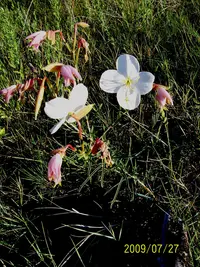
This species opens its pale yellow flowers in the evening or at night, then they often fade to a pinkish tone by the next day, a color change that signals pollinators that the flowers are past their prime.

Specialist moth pollinators

In its native western North American range, its night-blooming flowers are an important resource for nocturnal moths, including specialist hawkmoths that rely on evening primroses for nectar.

Dryland habitat specialist

This plant is naturally adapted to dry, open habitats such as sagebrush steppe and pinyon-juniper woodlands, where its deep root system and narrow leaves help reduce water loss in arid conditions.

FAQs about crownleaf evening primrose

Yes, this species is highly attractive to night-flying moths and some nocturnal bees, which visit the pale flowers for nectar and pollen. It can support local pollinator diversity when planted in pesticide-free, low-input garden habitats.

Grow Healthy Plants with Botan Care

Keep your plants happy and healthy with plant identification, disease detection, and easy care guidance.

Botan plant care app — identify plants on mobile

Explore More Plants