Saxifraga irrigua Care

About Saxifraga irrigua

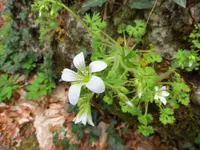
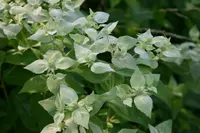
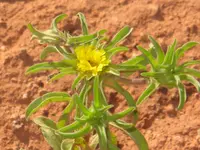
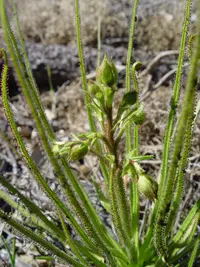
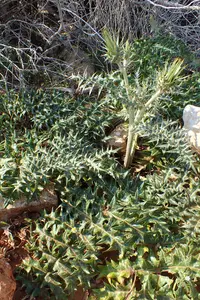
Saxifraga irrigua is a small, mat-forming perennial in the saxifrage family, typically found in cool, moist mountain habitats. It often grows in rocky crevices, stream banks, and wet alpine slopes. The plant forms low cushions of small leaves and sends up delicate flowering stems, giving it a fine, textured look suitable for rock gardens and troughs.

Its natural preference for consistently damp, cool conditions makes it less forgiving in hot, dry climates. Gardeners who want to care for Saxifraga irrigua should provide cool exposure, moist but well-drained, gritty soil, and protection from strong heat to keep it thriving.


Main Plant Requirements

Care Difficulty

Moderate Care

Light Preference

Partial Shade

Water Requirements

Regular Water

Temperature Preference

Cool Climate

Hardiness Zone

5–8

Soil Texture

Loamy, Silty, Rocky

Soil pH

Acidic (5.5–6.5), Slightly acidic (6.5–7.0)

Soil Drainage

Moist but well-drained

Fertilization

Minimal (feed rarely)

Get Personalized Care Plan

Scan your plant to receive care tips personalized for your specific plant

Available on iOS and Android

How to Care for the Saxifraga irrigua

This alpine species prefers bright, cool conditions with protection from intense midday sun.

  • Provide 3–5 hours of gentle sun, ideally morning or late-afternoon light, with bright shade or dappled light for the rest of the day.
  • Site Saxifraga irrigua where it gets filtered light, such as on an east or north-facing slope, to prevent leaf scorch and moss-drying of its cushion.
  • If stems elongate and rosettes open loosely, increase light; if foliage bleaches or crisps, give more shade, especially in summer.

This plant prefers consistently moist, sharply drained substrate that never stays waterlogged.

  • Water when the top 2–3 cm of the soil surface feels just starting to dry, aiming to keep the root zone slightly damp but not saturated.
  • Use gritty, fast-draining soil in rock crevices so excess water runs off quickly; standing water around the crown increases rot risk for Saxifraga irrigua.
  • In cooler seasons reduce watering frequency, watching for wilt or shriveling as signs of underwatering and yellowing, mushy rosettes as signs of excess moisture.

This cold-tolerant alpine prefers cool summers and can endure significant winter chill.

  • Aim for active growth in cool conditions around 45–65°F (7–18°C), with the plant often performing best where nights remain on the lower end of this range.
  • Mature plants usually tolerate lows near 0°F (-18°C) under snow or good drainage, but rapid freeze-thaw around the crown can cause tissue damage.
  • Prolonged heat above 80°F (27°C) stresses the plant; provide afternoon shade, excellent air flow, and avoid warm, reflective surfaces during hot spells.

This species prefers moderately moist air but usually copes with typical home humidity.

  • Aim for 40–60% humidity to reduce leaf-edge browning and tip dieback.
  • Tolerates slightly drier air, but prolonged <30% humidity can cause leaf curl and slow growth.
  • Increase humidity with a pebble tray or grouping plants; avoid misting foliage persistently to reduce fungal risk.

This plant prefers cool, moist, sharply drained, humus-rich soil that never stays waterlogged.

  • Use a gritty mix: 40% loam-based compost, 30% coarse sand or fine gravel, 30% leafmold or compost for structure and nutrients.
  • Ensure fast drainage by raising the planting area or using troughs with drainage layers, especially in regions with wet winters.
  • Aim for slightly acidic to neutral pH, around 6.0–7.0, avoiding strongly alkaline, lime-rich ground that can cause nutrient imbalance.
  • Improve aeration by mixing in coarse mineral material rather than peat alone, and avoid heavy clay or compacted garden soil that holds standing water.

This species is well suited to containers and rock troughs when drainage and root coolness are carefully managed.

  • Choose a wide, shallow container that matches the plant’s mat-forming habit so roots spread horizontally without deep, wet pockets.
  • Use a heavy or stone trough when outdoors to stabilize the low, spreading growth against wind and accidental knocks.
  • Elevate the pot slightly on feet or bricks so drainage holes remain clear and excess water leaves quickly after rain or watering.

This plant is adapted to low-nutrient, rocky sites, so Saxifraga irrigua needs only modest feeding in cultivation.

  • Use a light top-dressing of fine compost or a low-strength balanced NPK fertilizer once in early spring and again in midsummer.
  • Dilute liquid feed to 1/4–1/2 strength to avoid root burn in shallow, fibrous roots.
  • Apply fertilizer only to moist soil, never onto dry substrate.
  • Stop feeding in late summer so growth can harden before winter dormancy.

Pruning needs for Saxifraga irrigua are minimal and focus on tidying after flowering.

  • Best time is after flowering or in early spring before strong new growth begins.
  • Remove dead, diseased, or winter-damaged rosettes and flower stems with small, sharp scissors or snips.
  • Thin crowded rosettes lightly to maintain airflow and prevent rot in damp conditions.
  • Limit pruning to surface clean-up to keep the natural mat-forming habit intact.

This species is most often grown in rock gardens or crevices, where transplanting Saxifraga irrigua is done sparingly.

  • Transplant in early spring or early fall, avoiding heat or frost periods.
  • Move plants only when growth slows, clumps lift from the soil, or roots circle a small container.
  • Lift with a wide trowel, keeping as much root ball and surrounding grit as possible to reduce stress.
  • Replant into sharply drained, gritty soil at the same depth, then water gently and shade from strong sun for 7–10 days.

Saxifraga irrigua is commonly propagated to expand groundcover patches or maintain clones of desirable forms.

  • Divide mature clumps in early spring or just after flowering, keeping each division with several healthy rosettes and roots.
  • Plant divisions into gritty, well-drained mix and keep evenly moist, not wet, until re-established.
  • Seed propagation is possible; sow fresh seed on the surface in cool conditions and do not cover heavily.
  • Provide bright, indirect light and cool temperatures (50–60°F) to encourage steady rooting or germination.

This saxifrage is generally cold hardy, but some winter care improves survival in exposed or very wet sites.

  • Tolerates frost, but prolonged freeze-thaw combined with waterlogging can damage crowns.
  • Apply a light gravel or grit mulch around rosettes in late fall to keep the crown drier.
  • In very cold or wet climates, grow Saxifraga irrigua in containers and move to a cold frame or sheltered porch for winter.

Care Tips

Mimic seepage sites

Set pots in a shallow tray filled with coarse gravel and keep a thin film of water just below the pot base so roots experience constant moisture without the crown sitting in water, which mimics the slow seepage conditions this species prefers.

Use gritty top-dressing

Apply a 0.5–1 cm layer of fine grit or sharp sand around the crown to keep leaf bases dry, reduce moss and algae growth on the surface, and lower the risk of fungal rot in dense rosettes.

Cool root management

Place containers inside a slightly larger outer pot and fill the gap with damp sand or fine grit to buffer temperature swings and keep roots cooler in hot weather, which supports better flowering and vegetative growth.

Gentle division timing

Divide mature clumps only after flowering, keeping root sections large and intact, then replant immediately at the same depth to reduce stress and shorten recovery time when growing Saxifraga irrigua.

Prevent crown smothering

Regularly remove fallen leaves, heavy moss, and encroaching groundcovers from around the rosettes so the crown receives good air movement and light, which helps prevent rot and weak, elongated growth.

Common Pests and Diseases

Powdery mildew

This disease causes a white, powdery film on leaves and flower stems, especially in humid, stagnant air. Symptoms include distorted new growth and a dull, greyed appearance of foliage in tight mats or rosettes.

Solution

Improve air circulation around the clumps, thin overcrowded growth, and avoid overhead watering late in the day. Remove heavily affected leaves and apply a sulfur or potassium bicarbonate fungicide labeled for ornamental perennials if conditions stay conducive to infection.

Leaf spot

This disease produces small brown to dark purple spots on leaves, often starting on older foliage in cool, damp conditions. Symptoms include yellowing and premature dieback of affected leaves, which can weaken mats over time.

Solution

Cut off and discard spotted leaves and any dense, matted debris to reduce moisture retention. Water at soil level, increase airflow, and if spotting returns persistently, use a chlorothalonil or copper-based fungicide according to label directions for Saxifraga irrigua care instructions.

Aphids

These insects cluster on tender stems and flower stalks, sucking sap and causing curling or distortion of young leaves. This pest also excretes sticky honeydew that can attract sooty mold on dense rosettes.

Solution

Spray plants with a firm stream of water to dislodge colonies, focusing on undersides of leaves and flower stems. If populations persist, apply insecticidal soap or a light horticultural oil, repeating every 5–7 days until new growth appears clean.

Vine weevils

This pest is mainly a problem in containers and shaded rock gardens, where larvae feed on roots and crowns, leading to wilting and collapse, while adults notch leaf edges. Symptoms include sudden loss of vigor despite moist soil and visible U-shaped bites on foliage.

Solution

Inspect and replace heavily infested container soil and hand-pick adult beetles at night from leaves. In pots or very moist beds, apply entomopathogenic nematodes (beneficial microscopic worms) targeted at vine weevil larvae according to soil temperature guidelines.

Slugs and snails

These pests feed on tender leaves and young rosettes, leaving irregular holes and silvery slime trails, especially in cool, wet conditions. Symptoms include shredded foliage on the edges of mats or along moist stone crevices.

Solution

Reduce hiding places such as thick mulch around crowns, hand-pick at dusk or early morning, and use iron phosphate slug bait placed away from direct contact with the crowns. In very wet sites, raise or slightly improve drainage around the planting to make conditions less favorable for slug activity.

Interesting Facts

Alpine spring specialist

This species is naturally restricted to wet, shady rock ledges and seepage zones in European mountain regions, often growing where cold groundwater keeps the substrate moist all year.

Rooted in moving water

Plants frequently establish in constantly trickling water films over rock surfaces, anchoring in thin moss layers or crevices rather than in deep soil.

Miniature rosette mats

It forms low, dense rosettes that can gradually create small mats, helping stabilize fine substrates in wet alpine microhabitats and providing shelter for tiny invertebrates.

FAQs about Saxifraga irrigua

This species forms low, slowly expanding clumps rather than running widely. It can spread modestly by short rhizomes or self-seeding in suitable crevices, but it is not considered aggressive in typical garden settings.

Grow Healthy Plants with Botan Care

Keep your plants happy and healthy with plant identification, disease detection, and easy care guidance.

Botan plant care app — identify plants on mobile

Explore More Plants