Encourage Compact Growth
Pinch back soft shoot tips every 2–3 weeks in early growth to keep the plant dense, encourage more flower buds, and prevent it from becoming straggly in containers or borders.

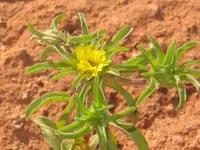
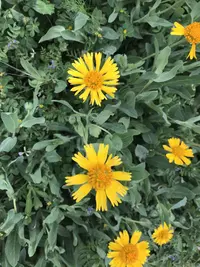
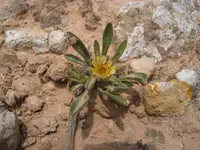
Golden-star, Asteriscus aquaticus, is a compact, sun-loving annual from Mediterranean coastal regions. It forms low mounds covered with bright yellow, daisy-like flowers.
The plant has small, often slightly fleshy leaves that help it tolerate heat and short dry periods. It stays relatively low and neat, which suits containers, rock gardens, and sunny borders.
In its natural habitat, it grows in poor, well-drained, often sandy or rocky soils near the sea. This background makes it fairly forgiving as long as the roots do not sit in water.
Light, well-drained soil and full sun are the main needs to care for Golden-star, making it approachable for beginners who can offer bright, dry conditions.

Care Difficulty
Easy Care

Light Preference
Full Sun

Water Requirements
Moderate Water

Temperature Preference
Warm Climate

Hardiness Zone
9–11

Soil Texture
Sandy, Loamy, Rocky

Soil pH
Slightly acidic (6.5–7.0), Neutral (7.0)

Soil Drainage
Well-drained

Fertilization
Light (every 4–6 weeks)
Scan your plant to receive care tips personalized for your specific plant
Available on iOS and Android
This coastal daisy thrives in bright, open sites with strong sun exposure.
This drought-tolerant Mediterranean annual prefers thorough but infrequent watering in sharply drained soil.
This sun-loving species prefers warm, mild conditions and is sensitive to frost.
This coastal species handles typical indoor humidity well and rarely needs special humidity management when caring for Golden-star.
Asteriscus aquaticus prefers lean, sandy, sharply drained soil that mimics coastal or rocky habitats.
This species is well suited to container growing outdoors in sunny, exposed positions.
This compact Mediterranean species benefits from light feeding but does not require heavy fertilization for good growth.
Asteriscus aquaticus responds well to light, timely pruning that maintains a compact, floriferous mound.
This low, sun-loving plant is more often transplanted in beds or containers than repeatedly repotted.
This species is commonly propagated from softwood cuttings or seeds under warm, bright conditions.
This warmth-loving plant has low frost tolerance and needs protection in regions with cold winters.

Plant Health Check
Not sure what's wrong with your plant? Check your plant's health inside the app.
This annual daisy-like plant is native to coastal Mediterranean regions, where it often colonizes disturbed, gravelly, or sandy soils that many other species cannot tolerate.
It continues flowering under intense summer sun and high temperatures typical of its native range, showing notable adaptation to hot, dry conditions with minimal soil moisture.
It naturally forms low, rounded mounds with many short branches, which helps protect its own root zone by shading the soil and reducing surface evaporation.

In parts of its native Mediterranean range, Asteriscus aquaticus is among the few wild annuals that can complete its entire life cycle in very shallow, rapidly drying soils, allowing it to exploit short moisture windows after seasonal rains before the substrate becomes almost desert-like for the rest of the year.
Lack of flowering is often due to insufficient light, heavy or waterlogged soil, or too much nitrogen fertilizer. Old, woody plants can also bloom less and benefit from light pruning to encourage fresh, flower-producing growth.
Keep your plants happy and healthy with plant identification, disease detection, and easy care guidance.