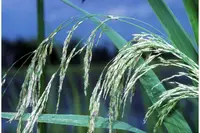
dwarf eelgrass Care (Zostera noltii)

dwarf eelgrass

About dwarf eelgrass

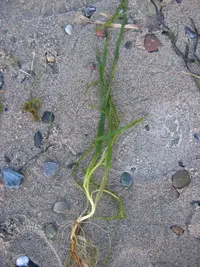
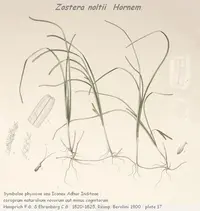
Dwarf eelgrass, Zostera noltii, is a small seagrass that forms dense underwater meadows in shallow coastal waters and estuaries. It spreads by creeping rhizomes that create low, fine-leaved carpets. Leaves are narrow, grass-like, and usually only a few inches tall, giving a delicate, soft appearance. This compact growth makes it useful in specialized marine aquaria and coastal restoration projects. It naturally occurs along the coasts of Europe, North Africa, and parts of western Asia, where tides and currents shape its environment. The plant prefers clean, well-oxygenated, salty or brackish water, stable substrate, and good light. Understanding how to care for dwarf eelgrass starts with providing conditions close to its natural habitat.

Main Plant Requirements

Care Difficulty

Hard Care

Light Preference

Full Sun

Water Requirements

Aquatic

Temperature Preference

Cool Climate

Hardiness Zone

6–10

Soil Texture

Sandy, Silty, Organic-rich

Soil pH

Slightly acidic (6.5–7.0), Neutral (7.0)

Soil Drainage

Waterlogged tolerant

Fertilization

Minimal (feed rarely)

Get Personalized Care Plan

Scan your plant to receive care tips personalized for your specific plant

Available on iOS and Android

How to Care for the dwarf eelgrass

This seagrass needs stable, unobstructed light in shallow coastal water to photosynthesize efficiently.

  • Aim for 6–10 hours of direct, unshaded sun over the water surface, which supports strong Zostera noltii growth and dense meadows.
  • Allow brief partial shade at high tide or from low structures, but avoid persistent shadow from docks, piers, or turbid water that blocks more than 40–50% of daylight.
  • Monitor seasonal sun angle; in winter, reduced day length lowers energy reserves, so avoid extra shading from boats, moorings, or shoreline construction.

This marine species relies on continuously submerged, flowing seawater rather than intermittent freshwater irrigation.

  • Keep the bed permanently underwater with moderate water movement; exposed sediment or leaves at low tide indicate excessive emersion stress rather than a watering issue.
  • Maintain clean, well-oxygenated seawater; fine silt, stagnant zones, or algal films on leaves signal poor circulation rather than a need for more water.
  • For restoration sites including Zostera noltii, check salinity and clarity instead of adding water, since freshwater input or runoff can damage leaves and roots.

This seagrass is adapted to cool to mild temperate waters and reacts strongly to extremes.

  • Target growing-season water temperatures around 59–72°F (15–22°C), where shoot production and root growth are most efficient.
  • Expect tolerance down to about 41–45°F (5–7°C); short cold spells are manageable, but ice cover or sudden drops below this range can damage leaves and rhizomes.
  • Avoid sustained temperatures above 77–82°F (25–28°C), which raise stress and disease risk, especially in shallow, slow-moving water during late summer.

This fully aquatic seagrass relies on constant submersion rather than air humidity.

  • Keep leaves and shoots completely underwater; exposed foliage dries and dies quickly in air below 100% humidity.
  • In shallow systems, prevent water level from dropping so that no part of the bed is left in open air.
  • Wilting, bleaching, or crisping tips above the waterline indicate desiccation stress, not low room humidity.

Zostera noltii anchors in soft, submerged sediment rather than typical potting soil.

  • Provide a 5–10 cm layer of fine to medium sand mixed with silt and decomposed organic matter to mimic coastal mudflats.
  • Aim for slow-draining, anoxic sediment under water, but maintain very gentle water movement above to prevent stagnation at the surface.
  • Keep pH slightly alkaline, around 7.5–8.3, which matches typical estuarine and shallow marine conditions.
  • Avoid coarse gravel, peat-heavy terrestrial mixes, or sharply draining substrates that cannot hold stable underwater root zones.

This species can be grown in submerged containers if they are used as underwater sediment trays rather than typical pots.

  • Select wide, shallow tubs so horizontal rhizomes can spread, and weight them so water movement cannot tip or shift the container.
  • Drill side slits near the rim, not at the base, to allow slow exchange of overlying water without losing the fine sediment layer.
  • Use a heavier lower layer of mineral sand beneath lighter organic material so roots stay anchored when currents or aeration disturb the water.

Zostera noltii is adapted to low-nutrient coastal waters and usually needs no artificial fertilizer in natural or well-balanced marine systems.

Zostera noltii benefits from light maintenance pruning only in managed tanks or restoration settings.

  • Trim back only clearly dead, decaying, or detached blades, leaving healthy green tissue untouched.
  • Carry out trimming outside peak stress periods, avoiding heatwaves or sudden salinity shifts.
  • Use clean, sharp aquascaping scissors and make small cuts above the leaf sheath to limit damage.
  • Minimal removal helps maintain bed density, improves water flow around leaves, and reduces rot risk.

Dwarf eelgrass is rarely potted long term, so care focuses on gentle transplanting rather than classic repotting.

  • Transplant during mild seasons when water temperature and salinity are stable to reduce shock.
  • Choose shallow, wide containers or sediment trays, covering rhizomes lightly with clean marine sand or mud.
  • Move plants only when growth slows, blades yellow without other causes, or roots overfill small trays.
  • Keep rhizomes moist and shaded during handling, minimize air exposure, and replant at original depth promptly.

In managed habitats, Zostera noltii plant care relies mainly on vegetative propagation rather than seed production.

  • Use rhizome division, separating small sections with 2–3 healthy shoots each.
  • Carry out division in spring or early summer, when plants are actively growing and recover faster.
  • Plant divisions into stable, fine marine sediment, burying rhizomes shallowly while keeping shoot bases exposed.
  • Maintain gentle water movement, full submersion, and stable salinity to support rapid rooting and bed expansion.

Zostera noltii in natural coastal settings is cold tolerant and usually needs no special winter care.

Care Tips

Sediment Depth Control

Maintain a uniform sediment layer about 5–10 cm deep and gently top up eroded areas so rhizomes stay buried but new shoots can still emerge easily.

Flow And Oxygen Management

Use a small circulation pump or air stone set to a low flow to keep water gently moving, which discourages algal film on leaves and supports root oxygenation without uprooting shoots.

Seasonal Light Adjustment

Reduce light intensity or daily light duration slightly in cooler months to match slower growth, which helps prevent excessive algal growth on the blades and substrate.

Careful Manual Cleaning

Remove epiphytic algae and silt by lightly running fingers or a soft brush along the blades under water, supporting them at the base so they are not pulled from the sediment.

Transplanting Technique

When transplanting, plant rhizome fragments in small clumps with shoots spaced 2–3 cm apart and press sediment firmly around them, which improves establishment and helps when caring for dwarf eelgrass in controlled systems.

Common Pests and Diseases

Wasting disease

This disease causes brown to black lesions on leaves that expand into elongated streaks, leading to thinning and loss of shoots in eelgrass beds.

Solution

Remove and discard heavily affected leaves and reduce additional stressors such as poor water quality, shading, or excessive nutrient loading; maintaining good water exchange and stable salinity helps limit spread, but there is no direct chemical treatment recommended for natural or aquarium stands when following Zostera noltii care instructions.

Labyrinthula infection

This disease is caused by the marine protist Labyrinthula spp., which colonizes leaf tissues and disrupts photosynthesis, often appearing as pale or translucent patches that later darken.

Solution

Limit mechanical damage and avoid overcrowding so water can circulate freely around leaves; promptly remove and discard symptomatic foliage and maintain stable salinity and moderate nutrient levels to support plant resilience and reduce pathogen pressure.

Epiphytic algal overgrowth

This condition results from filamentous algae and microalgae coating the leaves, reducing light penetration and gas exchange and eventually weakening the plants.

Solution

Improve water movement and reduce excess nutrients from overfeeding fish or fertilizer inputs; gently wipe or swish leaves in clean, habitat-appropriate water to dislodge algae, and, in aquaria, adjust lighting intensity and duration to moderate algal growth without depriving the seagrass of needed light.

Burrowing invertebrate damage

This problem arises when burrowing worms, crustaceans, or bivalves disturb the sediment, exposing rhizomes and destabilizing the root system so shoots become sparse or uprooted.

Solution

Stabilize the substrate with an appropriate sediment grain size and depth, limit sudden changes in water flow that increase erosion, and, in controlled systems, relocate or reduce populations of strongly burrowing animals while re-covering exposed rhizomes with clean sediment.

Herbivorous grazing

This issue occurs when fish, waterfowl, or invertebrates feed heavily on leaves and young shoots, causing ragged blades and localized bare patches in the bed.

Solution

In restoration sites or tanks, use physical barriers such as mesh exclosures or partitioning to protect young stands, adjust stocking of herbivorous species, and encourage recovery by keeping water quality high so remaining shoots can regrow and recolonize bare spots.

Interesting Facts

Fine sediment specialist

This species typically forms meadows on sheltered, fine sand or muddy substrates in intertidal zones, tolerating regular exposure to air during low tide better than many other seagrasses.

Foundation for invertebrates

Its dense, short leaves and rhizome network create microhabitats that host diverse invertebrate communities, including small crustaceans, worms, and mollusks that use the meadow for shelter and feeding.

Role in coastal nutrient cycles

The plant slows water movement within its meadows, which promotes the trapping of organic matter and helps regulate nutrient cycling in shallow coastal ecosystems.

Botan icon

Did you know?

This species has experienced large-scale declines and recoveries in some European estuaries following the twentieth-century wasting disease outbreaks that devastated many eelgrass populations, making it an important subject in long-term seagrass resilience and restoration studies.

FAQs about dwarf eelgrass

Growth is relatively quick under stable, shallow marine conditions. Short shoots can extend and spread by rhizomes over a single growing season, but full meadow establishment usually takes several seasons of consistent water quality, light, and low disturbance.

Grow Healthy Plants with Botan Care

Keep your plants happy and healthy with plant identification, disease detection, and easy care guidance.

Botan plant care app — identify plants on mobile

Explore More Plants