Stabilize Rhizomes
Plant rhizomes in a shallow aquatic basket with a heavy loam and top-dress with 2–3 cm of rinsed gravel so the crowns stay anchored when new leaves and flower stems increase buoyancy.

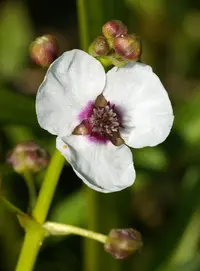
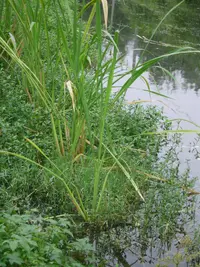
Sagittaria sagittifolia, commonly called arrowhead, is a hardy aquatic or bog plant grown for its arrow-shaped leaves and white, three-petaled flowers. It typically forms clumps in shallow water or very wet soil, creating a dense, structured look in ponds and water gardens. Native to Europe and parts of Asia, it often colonizes slow-moving streams, ditches, and marsh edges. This species is generally robust and adaptable, but it needs consistently wet conditions and a sunny to lightly shaded position to stay healthy. Understanding how to care for Arrowhead mainly involves matching its natural wetland habitat in a controlled garden setting.

Care Difficulty
Moderate Care

Light Preference
Full Sun

Water Requirements
Aquatic

Temperature Preference
Cold Hardy

Hardiness Zone
5–9

Soil Texture
Loamy, Silty, Organic-rich

Soil pH
Slightly acidic (6.5–7.0), Neutral (7.0)

Soil Drainage
Waterlogged tolerant

Fertilization
Minimal (feed rarely)
Scan your plant to receive care tips personalized for your specific plant
Available on iOS and Android
This aquatic marginal plant prefers bright, open conditions to fuel strong growth and flowering.
This species thrives with its roots submerged and does not tolerate drying out.
This hardy aquatic plant tolerates a broad temperature range when established in ponds or water gardens.
Sagittaria sagittifolia tolerates a wide humidity range and rarely needs special humidity management outdoors.
Sagittaria sagittifolia prefers permanently wet, organic-rich substrate that mimics shallow pond or marsh edges.
This aquatic species is suitable for container growing in ponds, tubs, or water gardens.
Sagittaria sagittifolia benefits from moderate nutrition, especially in containers or nutrient-poor ponds.
Pruning keeps Sagittaria sagittifolia tidy, encourages flowering, and reduces decay in the water.
Transplanting and dividing Sagittaria sagittifolia manage spread and maintain healthy stands in ponds or water gardens.
Sagittaria sagittifolia is commonly propagated by division and sometimes from seed in managed ponds.
Sagittaria sagittifolia is generally cold hardy in temperate climates, but container plants may need extra winter care.

Plant Health Check
Not sure what's wrong with your plant? Check your plant's health inside the app.
This species develops two leaf forms: submerged leaves that are narrow and ribbon-like, and emergent leaves that are broad, arrow-shaped, and held above the water surface, an adaptation to changing water levels.
The inflorescences carry female flowers on the lower nodes and male flowers on the upper nodes of the same stem, which helps reduce self-pollination and promotes cross-pollination by insects.
The plant forms underground tubers rich in starch, traditionally harvested and eaten in parts of Europe and Asia after thorough cooking, where they have been used as a staple wild wetland food.

In rice paddies and shallow lakes, this species can rapidly colonize open, nutrient-rich mud and sometimes become a troublesome aquatic weed, altering water flow and competing strongly with crops and native wetland plants.
The tubers and young shoots are edible when harvested from clean, uncontaminated water and cooked thoroughly. Raw parts can cause irritation. Always positively identify the species and avoid plants from polluted ponds, roadside ditches, or chemically treated waterways.
Keep your plants happy and healthy with plant identification, disease detection, and easy care guidance.