Matsutake Care (Tricholoma matsutake)

Matsutake

About Matsutake

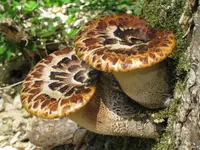
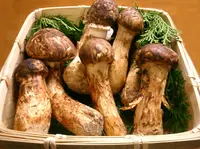
Matsutake, Tricholoma matsutake, is a mycorrhizal mushroom that forms a close, mutually beneficial relationship with the roots of certain trees, especially pines. It is not a houseplant but a forest-dwelling fungus. Caps are firm and fleshy, often brown to reddish-brown with pale gills and a thick white stem, emerging from the soil near host trees in late season. This species is native to East Asia but also occurs in parts of North America and northern Europe in specific coniferous forests. Because it depends on living tree partners and undisturbed soils, it is considered very difficult to cultivate, and most efforts to care for Matsutake focus on conserving suitable woodland habitats.

Main Plant Requirements

Care Difficulty

Hard Care

Light Preference

Partial Shade

Water Requirements

Keep Soil Moist

Temperature Preference

Cool Climate

Hardiness Zone

Unknown

Soil Texture

Loamy, Sandy, Organic-rich

Soil pH

Strongly acidic (4.5–5.5)

Soil Drainage

Moist but well-drained

Fertilization

Minimal (feed rarely)

Get Personalized Care Plan

Scan your plant to receive care tips personalized for your specific plant

Available on iOS and Android

How to Care for the Matsutake

This ectomycorrhizal mushroom depends on forest light conditions rather than direct open-sun exposure.

  • Site under a light to medium pine or mixed conifer canopy that provides dappled shade with 2–4 hours of gentle morning sun and no harsh afternoon sun.
  • Avoid full, open exposure; strong midday sun dries the upper soil layer and litter, suppressing Tricholoma matsutake fruiting and stressing host tree roots.
  • Maintain consistent partial shade year-round; in thinned stands, consider temporary shade from shrubs or logging residues to prevent sudden light and temperature spikes.

Water conditions must support both the host tree roots and the fungal mycelium in the upper soil and litter layer.

  • Aim for evenly moist, never saturated, soil; the top 2–5 cm should feel slightly moist but not muddy when checked by hand.
  • Improve drainage with well-structured, loose, sandy or loamy soil; prolonged puddling, sour smells, or slimy litter indicate overwatering and oxygen-poor conditions.
  • During dry periods, apply deep, infrequent irrigation that moistens the top 10–15 cm, then wait until the surface starts to lose gloss and feels just damp before watering again.

Temperature needs mirror cool, temperate conifer forests where this species naturally forms mycorrhizae.

  • Support vegetative growth of the mycelium at roughly 50–68°F (10–20°C), with many fruiting bodies forming best around 55–61°F (13–16°C).
  • Protect colonized sites from hard frost below about 23°F (-5°C), which can damage fine roots and fruiting primordia near the surface.
  • Limit heat stress by avoiding exposed, compacted areas that can exceed 77–86°F (25–30°C), and rely on canopy shade and litter cover to buffer summer temperature swings.

This ectomycorrhizal fungus needs consistently moist, cool air to fruit well.

  • Aim for 70–90% humidity around developing caps, especially in dry, heated, or windy conditions.
  • Dry air leads to cracked caps, slow growth, and tougher texture in Matsutake fruiting bodies.
  • Increase humidity with damp leaf litter, occasional misting of the surrounding substrate, or temporary plastic sheeting that still allows some air exchange.

This species requires very specific soil conditions that mimic its natural conifer forest habitat.

  • Use a loose, sandy to sandy-loam mineral soil with abundant conifer needle litter and fine roots rather than peat-heavy mixes.
  • Ensure sharp drainage so the upper soil stays moist but never waterlogged, which suppresses Tricholoma matsutake mycelium and favors competitors.
  • Maintain slightly acidic conditions, typically pH 4.5–6.0, by incorporating pine or other conifer litter and avoiding lime or alkaline amendments.
  • Improve aeration with coarse sand and fine bark, keeping structure open so gas exchange around tree roots and fungal hyphae remains high.

This fungus is not realistically suitable for container growing because it depends on long-term ectomycorrhizal partnership with mature conifer trees.

Forest-dwelling Tricholoma matsutake relies on its mycorrhizal partnership with trees and should not be fertilized directly.

Tricholoma matsutake does not require pruning; mushroom fruiting bodies are temporary structures rather than branches or foliage.

This mycorrhizal fungus is not suited to normal repotting, since it depends on a stable association with host tree roots in soil.

  • Avoid disturbing established host trees or surrounding soil where matsutake appears; disturbance can interrupt the fungal network.
  • Transplanting from wild sites is rarely successful and is not recommended for long-term Tricholoma matsutake care instructions.
  • If growing trees in containers, focus on tree health: correct soil type, drainage, and watering support fungal survival.
  • When moving young host trees, minimize root damage, keep root balls intact, and replant quickly to reduce stress on associated fungi.

Tricholoma matsutake is difficult to propagate in cultivation because it needs a specific mycorrhizal relationship and soil conditions.

This species is naturally cold hardy in its native forest habitats and requires no dedicated winter care from the grower.

Care Tips

Host tree selection

Establish the fungus only with compatible conifers such as pine, fir, or spruce, ideally using local native species to match the existing mycorrhizal community and soil conditions.

Minimal soil disturbance

Once host trees are colonized, avoid tilling, deep raking, or heavy traffic within 1–2 m of the trunk so the fine mycelial network and feeder roots remain intact and productive.

Targeted mulching band

Apply a thin, airy mulch ring (2–3 cm) of pine needles or similar conifer litter around the host tree drip line, leaving a small gap around the trunk, to maintain surface moisture without creating anaerobic, waterlogged conditions.

Controlled competition

Regularly remove invading shrubs and dense groundcovers around host trees, but leave some low herbaceous vegetation so soil does not overheat or dry out excessively in summer.

Long-term monitoring

Keep simple records of host tree age, thinning, rainfall, and fruiting sites from year to year, so adjustments in shade, moisture, or stand density can be linked to actual outcomes when caring for Matsutake.

Everything About Matsutake

Common Pests and Diseases

Mycelial competitors

This problem arises when fast-growing saprotrophic fungi or molds overrun the substrate or soil surface, outcompeting the matsutake mycelium for space and nutrients. Symptoms include patchy, weak or stalled matsutake growth and visible colonies of other fungi or molds.

Solution

Remove and discard heavily colonized substrate or forest duff, then reintroduce clean, compatible host soil or litter from a healthy pine stand if available and legal. Improve airflow, avoid overwatering, and keep the microhabitat slightly drier and more stable so the slower-growing matsutake mycelium has a better chance to establish, which is a key point in Tricholoma matsutake care.

Soil nematodes

These microscopic worms can damage fine roots of host trees and indirectly weaken the ectomycorrhizal association needed for matsutake formation. Symptoms include declining host tree vigor, reduced new root growth, and fewer or no fruiting bodies in previously productive areas.

Solution

Promote host tree health by maintaining proper watering, mulching lightly, and avoiding mechanical root damage in the matsutake zone. In managed settings, avoid moving potentially infested soil, and encourage diverse soil biology with organic matter and minimal chemical disturbance to help keep nematode populations in balance.

Fungal gnat larvae

These insect larvae feed on organic matter and may tunnel through young fruiting bodies, causing soft spots, deformation, and internal decay. Symptoms include small entry holes, mushy tissue, and rapid deterioration of otherwise healthy mushrooms.

Solution

Carefully harvest mushrooms as soon as caps emerge and remove any visibly infested fruiting bodies from the area. Reduce excess surface moisture and standing water, and if cultivation is attempted in a controlled environment, use fine mesh barriers and sticky traps to reduce adult gnat populations before they lay eggs.

Slug and snail damage

These mollusks feed directly on developing caps and stems, leaving irregular bite marks and slime trails. Symptoms include partially eaten fruiting bodies and rapid loss of marketable quality in otherwise healthy mushrooms.

Solution

Hand-pick slugs and snails in the evening or early morning and remove cover objects such as boards or trash where they hide. In managed or semi-cultivated sites, use physical barriers like copper tape around beds or selective placement of iron phosphate bait outside the immediate mushroom zone, following label directions to limit non-target effects.

Bacterial soft rot

This disease occurs when opportunistic bacteria invade damaged or overly wet fruiting bodies, leading to slimy, foul-smelling decay. Symptoms include water-soaked spots that quickly become soft, translucent, and collapse.

Solution

Harvest matsutake promptly at the proper stage and avoid bruising or injuring the caps and stems. Keep the fruiting area well drained, avoid overhead wetting of mushrooms, and promptly remove and discard any rotting specimens to reduce bacterial inoculum and limit spread to nearby fruiting bodies.

Interesting Facts

Specialist pine partner

This fungus forms a highly specific ectomycorrhizal relationship with the roots of certain pine species, especially Japanese red pine (Pinus densiflora) and Japanese black pine (Pinus thunbergii), and will not fruit without an appropriate host tree.

Distinct spicy aroma

Its caps and stems release a strong, characteristic fragrance often described as a mix of cinnamon, spice, and pine resin, which is a key trait used by foragers to distinguish it from similar-looking but inedible species.

Slow and irregular fruiting

Mushroom production in natural matsutake patches often fluctuates greatly from year to year and may stop for several seasons, reflecting the species’ sensitivity to subtle changes in soil conditions, climate, and host tree health.

Botan icon

Did you know?

In Japan, this species has been culturally prized for centuries and is now so scarce in traditional pine forests that top-grade specimens can command premium prices, making it one of the most expensive wild-harvested culinary mushrooms in international trade.

FAQs about Matsutake

This species is highly valued as an edible mushroom in East Asia and parts of North America and Europe. Only consume correctly identified specimens, cooked thoroughly, and avoid harvesting from polluted areas such as roadsides or contaminated soils.

Grow Healthy Plants with Botan Care

Keep your plants happy and healthy with plant identification, disease detection, and easy care guidance.

Botan plant care app — identify plants on mobile

Explore More Plants