Bitter Bracket Care (Amaropostia stiptica)

Bitter Bracket

About Bitter Bracket

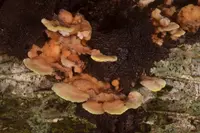
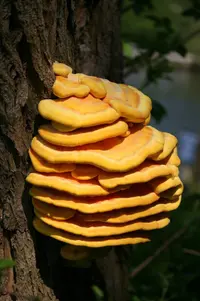
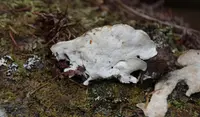
Bitter bracket, Amaropostia stiptica, is a tough, wood-decaying bracket fungus rather than a typical leafy houseplant. It forms hard, shelf-like fruiting bodies on dead or dying conifer wood, usually pale to creamy with a rough, sometimes cracked surface. The flesh is very bitter, which gives the species its common name.

This fungus occurs widely in temperate forests of the Northern Hemisphere, especially in Europe and North America. It is not usually cultivated indoors, and attempts to care for Bitter Bracket are uncommon, since it depends on specific host wood and forest conditions.

In nature it favors cool, moist woodland habitats and well-rotted conifer logs. Its growth is driven more by suitable wood and humidity than by controllable garden conditions.

Main Plant Requirements

Care Difficulty

Moderate Care

Light Preference

Partial Shade

Water Requirements

Moderate Water

Temperature Preference

Warm Climate

Hardiness Zone

Unknown

Soil Texture

Loamy

Soil pH

Slightly acidic (6.5–7.0)

Soil Drainage

Well-drained

Fertilization

Minimal (feed rarely)

Get Personalized Care Plan

Scan your plant to receive care tips personalized for your specific plant

Available on iOS and Android

How to Care for the Bitter Bracket

This wood-decaying bracket fungus prefers stable, shaded forest light rather than direct sun exposure.

  • Site Bitter Bracket on shaded logs or stumps with 0–2 hours of weak, filtered morning sun and no direct afternoon sun.
  • Aim for dappled or full shade under trees, where leaf cover reduces UV exposure and keeps the substrate from drying out quickly.
  • In summer, protect from strong sun that can overheat or desiccate the wood; in winter, increased ambient light is acceptable as long as the wood stays cool and moist.

This species depends on consistently moist, not waterlogged, wood rather than direct watering of the fruiting bodies.

  • Maintain the host log or stump in moist soil; if conditions are very dry, moisten the surrounding ground when the top 2–5 cm are dry to the touch.
  • Ensure excess water drains away; standing water around the wood encourages anaerobic conditions, mold growth, and rot that can suppress Amaropostia stiptica.
  • In hot, windy weather increase local moisture with occasional ground soaking or mulch, and in cool, wet seasons reduce added water to avoid soggy substrate.

This temperate wood-decay fungus thrives in cool to mild conditions rather than temperature extremes.

  • Optimal development usually occurs around 50–70°F (10–21°C), typical of shaded woodland settings with moderate humidity.
  • Fruiting bodies tolerate brief drops near 32°F (0°C), but repeated hard freezes below 25°F (−4°C) can damage tissue and slow activity in the wood.
  • Sustained heat above 80–86°F (27–30°C), especially with dry air, can desiccate the substrate; deep shade and mulch help buffer temperature swings through summer and winter.

This bracket fungus tolerates a wide humidity range in outdoor woodland conditions and does not need active humidity management.

Amaropostia stiptica develops on dead or decaying conifer wood rather than in soil, so conditions should mimic firm, well-aerated woody material.

  • Provide dense, undecayed or slightly decayed conifer logs or large branches with intact structure instead of loose mulch or soil.
  • Keep the wood consistently moist but not submerged, ensuring air can reach the surface to prevent anaerobic, waterlogged conditions.
  • Position logs where rainfall, drip irrigation, or regular misting keeps the surface damp while allowing it to dry slightly between wetting events.
  • Avoid burying the wood deeply in soil or compacted substrates, which restrict airflow and slow colonization.

This species is generally unsuitable for conventional container growing, as it requires colonized wood rather than potting media.

This wood-decaying bracket fungus grows on nutrient-rich wood and usually needs no additional fertilization in cultivation or observation settings.

Amaropostia stiptica does not require structured pruning, but fruiting bodies can be managed for safety, appearance, or study.

  • Remove dead, decaying, or hazardous brackets with a sharp knife or pruning saw, cutting flush with the wood surface.
  • Focus on brackets that obstruct paths, trap moisture against structures, or harbor pests, leaving sound wood undamaged.
  • Disinfect tools with alcohol or a 10% bleach solution before and after cutting to limit spread of wood-decay organisms.
  • Avoid excessive removal on weakened hosts, since large wounds may further compromise structural stability.

This fungus is not maintained as a conventional potted plant, so management centers on relocating colonized wood rather than repotting.

  • Transplant only if the colonized log or stump must be moved, for example during landscaping or tree removal.
  • Schedule moves during cooler, stable weather in spring or fall to reduce desiccation stress on the fungal mycelium.
  • Keep the original orientation of the log, and place it on similar shaded, moist ground to maintain comparable microclimate conditions.
  • Handle wood gently to avoid cracking; if cut surfaces are exposed, limit direct sun and wind to reduce rapid drying.

Propagation of Amaropostia stiptica is usually left to natural spore spread rather than controlled horticultural methods.

This bracket fungus is cold hardy across most temperate climates and generally needs no special winter care once established on a host substrate.

Care Tips

Retain Host Logs

Leave colonized logs or stumps in place rather than moving or cutting them, since disturbing the woody substrate disrupts the mycelium network and can stop future fruiting.

Create Fresh Cut Faces

When managing firewood or logs already colonized, make a few fresh chainsaw or handsaw cuts on the same piece each spring to expose new wood surfaces the fungus can gradually exploit.

Control Direct Sun

If the host stump or log sits in strong sun, use low fencing, shrub cover, or bark mulch berms to create light shade that slows moisture loss and prolongs the fruiting period.

Moisture Buffer Mulch

Apply a loose ring of coarse wood chips or partially rotted bark around the base of colonized stumps to buffer soil moisture and temperature without burying the fruiting bodies themselves.

Monitor Structural Safety

Regularly inspect heavily decayed host trees or stumps for instability and, if necessary, have a certified arborist remove hazardous sections while leaving low, stable pieces to continue growing Bitter Bracket.

Common Pests and Diseases

Bark beetles

These insects occasionally colonize dead or dying brackets, tunneling through the woody tissue and accelerating decay. Symptoms include small round exit holes and fine sawdust-like frass on and below the fruiting body.

Solution

Remove and discard heavily infested brackets to reduce beetle populations and limit spread to nearby stressed trees. Maintain good site hygiene by promptly clearing fallen, decayed wood and, where relevant, improving host tree vigor so the fungus-bearing wood is less attractive to bark beetles.

Wood-boring larvae

This pest group includes various moth and beetle larvae that tunnel within the bracket, hollowing it out and causing crumbling or collapse. Symptoms include soft, powdery internal tissue, irregular galleries, and occasional small entry holes.

Solution

Inspect brackets regularly and cut away sections that show extensive tunneling, then dispose of them off-site. Improving airflow and reducing prolonged surface wetness on the bracket can make conditions less favorable for larvae development.

Secondary mold colonization

This disease complex involves fast-growing molds that overtake older, senescing brackets, forming fuzzy gray, white, or green patches on the surface. Symptoms include a dulled or discolored fruiting body and rapid softening in humid, stagnant conditions.

Solution

Increase airflow around the fungus by thinning dense understory vegetation and avoiding water splashing directly onto the bracket. Where the fungus is being observed for study or aesthetic reasons, carefully trim away heavily colonized portions and dispose of them to slow mold spread.

Bacterial soft rot

This disease develops when opportunistic bacteria invade damaged or waterlogged tissue, leading to slimy, foul-smelling areas on the bracket surface. Symptoms include localized collapse, wet spots, and rapid tissue breakdown in warm, wet weather.

Solution

Avoid mechanical damage to fruiting bodies and minimize prolonged water contact, especially overhead irrigation in managed landscapes. If soft rot appears, remove the most affected tissue or the entire bracket and discard it, then improve drainage or splash protection around the colonized wood substrate.

Interesting Facts

Extremely bitter taste

The fruiting bodies contain intensely bitter compounds, which is reflected in the common name bitter bracket and makes the fungus inedible despite not being known as toxic.

Strong wood decay specialist

This species is a white-rot fungus on conifers, meaning it breaks down both lignin and cellulose in wood and plays a major role in recycling dead conifer timber in forests of Europe and North America.

Distinctive pore surface

The underside of the bracket has a whitish to cream pore layer that bruises or stains brownish when touched or damaged, a field character used by mycologists to separate it from similar polypores.

FAQs about Bitter Bracket

This bracket fungus expands slowly to moderately, often taking several seasons to form large, woody tiers. Growth depends on host tree health, moisture, and temperature, with fruiting bodies persisting and adding new layers over multiple years.

Grow Healthy Plants with Botan Care

Keep your plants happy and healthy with plant identification, disease detection, and easy care guidance.

Botan plant care app — identify plants on mobile

Explore More Plants