Rainbow Chanterelle Care (Cantharellus roseocanus)

Rainbow Chanterelle

About Rainbow Chanterelle

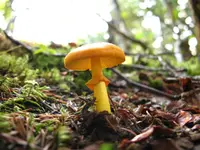
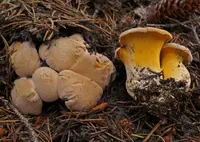
Rainbow chanterelle, Cantharellus roseocanus, is a mycorrhizal fungus that forms a partnership with tree roots rather than growing as a typical potted plant. It produces small, funnel-shaped fruiting bodies in yellow to orange shades, sometimes with subtle rosy tones on the cap or ridges. In nature it is found in cooler, northern forest regions, often in association with conifers on well-drained, mossy or organic-rich soils.

This species is prized as an edible wild mushroom but is not practical to cultivate indoors or in containers. Those wishing to care for Rainbow Chanterelle mainly focus on protecting its woodland habitat and leaving healthy patches undisturbed when harvesting.

Main Plant Requirements

Care Difficulty

Hard Care

Light Preference

Partial Shade

Water Requirements

Keep Soil Moist

Temperature Preference

Cool Climate

Hardiness Zone

Unknown

Soil Texture

Loamy, Sandy, Organic-rich

Soil pH

Strongly acidic (4.5–5.5)

Soil Drainage

Moist but well-drained

Fertilization

Minimal (feed rarely)

Get Personalized Care Plan

Scan your plant to receive care tips personalized for your specific plant

Available on iOS and Android

How to Care for the Rainbow Chanterelle

This forest fungus prefers low, filtered light similar to a shaded conifer woodland floor.

  • Provide bright shade or dappled light under trees, avoiding more than 1–2 hours of direct sun, especially in harsh afternoon exposure.
  • Aim for conditions that mimic a north-facing forest edge, with indirect light for 6–8 hours and protection from summer midday sun to prevent drying of the substrate.
  • In summer, increase shade or organic mulch if sunlight penetrates more than usual; in autumn, slightly more open light can support fruiting of Rainbow Chanterelle.

This mycorrhizal fungus relies on consistently moist, never waterlogged, soil around its host trees.

  • Maintain soil moisture so the top 2–5 cm feel evenly damp but not sticky; allow only the surface to begin to dry before the next deep soak from rainfall or irrigation.
  • Use loose, well-drained, organic-rich soil; avoid standing water or compacted spots, which promote rot and reduce oxygen around Cantharellus roseocanus mycelium.
  • Increase moisture inputs during warm, dry periods when leaf litter dries quickly, and reduce added water during cool, wet seasons, watching for shriveling (too dry) or sour, swampy odors (too wet).

This species thrives in cool to mild climates typical of coastal and montane conifer forests.

  • Optimal soil and air temperatures for active growth and fruiting are about 50–65°F (10–18°C), with stable, cool conditions favoring sustained development.
  • Tolerates down to around 25°F (-4°C) in dormant periods, but repeated hard freezes below this can damage fine mycelium and reduce future fruiting.
  • Handles brief warm spells up to about 75°F (24°C) if soil stays moist and shaded, but prolonged heat above 80°F (27°C) and dry conditions sharply reduce productivity.

This fungus requires consistently moist, humid conditions to fruit well.

  • Aim for 70–90% humidity around the fruiting area, avoiding both drying winds and stagnant, dripping-wet air.
  • Dry air causes caps to crack, edges to curl, and colors to dull, especially in Rainbow Chanterelle flushes.
  • Maintain humidity with frequent fine misting, soaked-but-drained substrate, and, outdoors, by using leaf litter and windbreaks.

This species relies on naturally structured forest soil rather than conventional potting mixes.

  • Cantharellus roseocanus associates with tree roots in loose, organic-rich, sandy to loamy mineral soil that resists compaction.
  • Fruiting is best in sharply drained yet evenly moist soil; water must percolate through quickly without pooling around tree roots.
  • Target a slightly acidic pH of about 4.5–6.0, often found under conifers with deep litter and minimal lime input.
  • Improve aeration and drainage by layering coarse sand and fine gravel beneath a mix of native forest soil and well-decomposed leaf mold, avoiding dense clay or peat-heavy media.

This species is not realistically suitable for container growing because it depends on complex mycorrhizal relationships with tree roots in undisturbed soil.

This forest mushroom forms mycorrhizal partnerships with trees and does not benefit from direct fertilization.

As a wild mycorrhizal fungus, Cantharellus roseocanus is not managed through pruning.

This species is not suited to typical container culture, so repotting is not applicable; focus on careful site establishment instead.

  • Transplant only colonized soil or plug spawn into the root zone of suitable host trees in cool, moist weather, typically spring or early fall.
  • Avoid disturbing existing forest soil structure; lift and set small soil blocks gently to reduce disruption of fungal mycelium.
  • Maintain consistent moisture around the inoculated area after transplanting, avoiding waterlogging that may damage fungal growth.

Propagation of this wild mycorrhizal species is technically challenging and rarely attempted by home growers.

As a cold-hardy forest fungus associated with hardy trees, Cantharellus roseocanus generally needs no special winter care in suitable climates.

Care Tips

Spore-friendly habitat

Leave a portion of mature mushrooms unharvested to drop spores and maintain the natural mycelium network, especially in areas with compatible conifers such as spruce or pine.

Gentle harvesting technique

Twist and lift fruiting bodies at the base rather than cutting deep into the soil, then lightly press disturbed duff back in place to protect mycelium and fine tree roots.

Protect forest duff

Avoid raking, disturbing, or compacting the needle litter and top organic layer, because this loose, undisturbed duff is the primary zone where the fungus forms fruiting bodies with its host trees.

Moisture-conserving cover

After very dry spells, lightly replace fallen needles or loose leaf litter over exposed patches to buffer soil moisture while still allowing air flow around the mycelial zone.

Low-impact foot traffic

Mark productive patches and walk around them rather than through them so repeated trampling does not compact soil, crush fine roots, or damage the fungal network that supports growing Rainbow Chanterelle.

Common Pests and Diseases

Mycophagous springtails

These insects feed on fungal tissues and can graze young chanterelle primordia and mycelium in very moist substrates. Symptoms include aborted or misshapen fruiting bodies and fine pitting on young caps where populations are high.

Solution

Reduce excess surface moisture, improve drainage, and increase airflow around the fruiting area to make conditions less favorable. In small-scale cultivation, gently remove debris where springtails congregate and, if needed, use yellow sticky traps nearby to monitor and help lower numbers without directly treating the fungi.

Fungus gnats

These insects lay eggs in moist, organic substrates and their larvae can feed on mycelium and very young chanterelle structures. Symptoms include slow or uneven fruiting, soft or damaged primordia, and visible small black adult gnats hovering over the bed or container.

Solution

Allow the top layer of the substrate to dry slightly between waterings while still maintaining overall moisture, and improve ventilation to discourage egg laying. Use fine-mesh covers on vents, remove decaying organic debris, and apply biological controls such as Bacillus thuringiensis israelensis (Bti) to the substrate if larval damage is persistent.

Bacterial blotch

This disease is caused by opportunistic bacteria thriving on very wet fungal surfaces, leading to greasy, discolored spots and localized tissue collapse on caps. Symptoms include tan to dark, water-soaked lesions and a slimy feel on affected areas.

Solution

Limit prolonged surface wetness by watering the substrate rather than directly wetting the fruiting bodies, and ensure good air exchange so mushrooms dry quickly after humidity cycles. Remove and discard heavily spotted mushrooms, clean tools and containers with a mild disinfectant, and avoid overcrowding to reduce splash and contact spread.

Competing molds

This disease complex includes green, blue-green, or white molds that colonize the substrate faster than Cantharellus roseocanus mycelium. Symptoms include patches of dense, colored mold, reduced or absent chanterelle fruiting, and a musty odor from the growing area.

Solution

Promptly remove and discard heavily contaminated substrate sections to prevent further spore spread, and avoid working with contaminated material near healthy beds. Improve air circulation, avoid overwatering, and use well-aged, clean organic material to give the chanterelle mycelium a competitive advantage when attempting to grow Cantharellus roseocanus.

Interesting Facts

Pink western specialist

This chanterelle is strongly associated with coniferous forests of western North America, especially spruce-dominated and coastal ecosystems, where it fruits in mossy, humid microhabitats.

Distinct rosy coloration

Unlike most yellow chanterelles, its caps and gills often show a noticeable pinkish to salmon tone, particularly in fresh or young fruiting bodies, which helps distinguish it from related species in the field.

Separate from golden chanterelle

Originally grouped with the common golden chanterelle complex, this fungus was recognized as a distinct species based on consistent differences in color, spore features, and habitat preference in northern and coastal regions.
Botan icon

Did you know?

This species forms ectomycorrhizal partnerships with conifer roots, creating a shared nutrient network that improves tree access to water and minerals while receiving carbohydrates produced by the host through photosynthesis.

FAQs about Rainbow Chanterelle

This species is considered an edible wild mushroom and is collected as a choice culinary fungus. Correct identification is essential, as some orange mushrooms are toxic look-alikes. Only harvest from uncontaminated areas and cook thoroughly before eating.

Grow Healthy Plants with Botan Care

Keep your plants happy and healthy with plant identification, disease detection, and easy care guidance.

Botan plant care app — identify plants on mobile

Explore More Plants