Necklace Tricholoma Care (Tricholoma focale)

Necklace Tricholoma

About Necklace Tricholoma

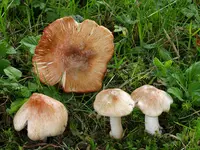
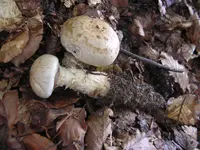
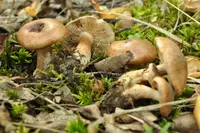
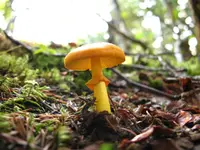
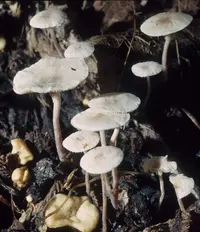
Necklace Tricholoma, Tricholoma focale, is a wild mushroom species rather than a typical houseplant. It forms sturdy, medium-sized caps with a brownish to reddish surface and a pale stem, usually appearing in clusters that resemble beads on a necklace. This fungus is typically found in coniferous forests of cooler regions, growing on the ground among moss, needles, and forest litter. It is considered a mycorrhizal species, meaning it forms a partnership with tree roots to exchange nutrients. Because it depends on specific forest conditions and tree partners, it is not practical to cultivate indoors or in gardens, so information on how to care for Necklace Tricholoma is mainly relevant to habitat protection rather than home growing.

Main Plant Requirements

Care Difficulty

Hard Care

Light Preference

Partial Shade

Water Requirements

Keep Soil Moist

Temperature Preference

Cool Climate

Hardiness Zone

Unknown

Soil Texture

Loamy, Sandy, Organic-rich

Soil pH

Acidic (5.5–6.5)

Soil Drainage

Moist but well-drained

Fertilization

Minimal (feed rarely)

Get Personalized Care Plan

Scan your plant to receive care tips personalized for your specific plant

Available on iOS and Android

How to Care for the Necklace Tricholoma

This ectomycorrhizal mushroom prefers bright forest edges with gentle, filtered light rather than intense open sun.

  • Aim for dappled light or light shade, roughly 2–4 hours of gentle morning or late-afternoon sun under trees or shrubs, avoiding harsh midday exposure.
  • Necklace Tricholoma fruits best where taller vegetation breaks direct sun; strong, unfiltered sun can dry the upper soil and suppress fruiting bodies.
  • In hotter summers, slightly deeper shade helps maintain moisture, while in cooler seasons, more open canopy light can support better mycelium activity.

This fungus relies on consistently moist, well-drained soil around its host trees rather than direct, frequent surface watering.

  • Target evenly moist soil to at least 5–10 cm depth; allow the surface 1–2 cm to lose its sheen before gently rehydrating in dry spells.
  • Prioritize drainage: sandy or loamy, slightly acidic soil that never stays waterlogged reduces the risk of root and mycelial rot in Tricholoma focale.
  • Watch for stress: long dry periods cause shrinking, cracking soil and fewer mushrooms, while overwatering leads to soggy ground, moldy litter, and decaying fine roots.

This species favors cool to mild conditions and typically fruits in autumn when soil and air temperatures moderate.

  • Optimal fruiting usually occurs around 50–65°F (10–18°C), though the underground mycelium can remain active slightly outside this range.
  • The fungus tolerates cool weather and light frosts down to about 28°F (-2°C), but repeated hard freezes can halt fruiting and damage exposed mushrooms.
  • Heat above 80°F (27°C), especially combined with dry soils, tends to slow growth, so shaded, insulated forest floors help buffer summer temperature extremes.

Humidity is not a primary factor for Tricholoma focale compared with moisture in its substrate and surrounding environment, so caring for Necklace Tricholoma should focus more on consistent, lightly moist conditions than on air humidity alone.

Tricholoma focale forms ectomycorrhizal associations with trees, so the fungus benefits from a loose, humus‑rich forest-type substrate rather than standard potting mixes.

  • Use a mix that mimics leaf litter: roughly 50% decomposed hardwood leaf mold or fine bark, 25% coarse sand, and 25% loamy topsoil.
  • Ensure rapid drainage so the substrate is moist but never stagnant; avoid areas where water collects or stays puddled after rain.
  • Maintain a slightly acidic to acidic environment, around pH 4.5–6.0, which matches typical conifer or mixed woodland soils.
  • Improve aeration by incorporating coarse particles such as pine bark fines or grit, and avoid compacted, clay-heavy substrates that restrict gas exchange.

This species is generally unsuitable for long-term container growing because it relies on living tree roots and complex soil ecology.

This woodland fungus forms mycorrhizal partnerships with trees, so Tricholoma focale usually needs no direct fertilization.

As a wild mycorrhizal fungus, Tricholoma focale does not require true pruning, only minimal site hygiene.

  • Remove spent or decaying fruiting bodies with a clean knife if tripping hazards or contamination are a concern.
  • Avoid disturbing the surrounding leaf litter and soil structure, which support the underground mycelium network.
  • Do not cut or dig into the mycelium; reducing soil disruption helps maintain stable, long-term colonies.

This species is not suited to conventional container culture, so repotting is not recommended; focus on careful site establishment outdoors.

  • Choose a permanent site with compatible host trees and well-drained, slightly acidic soil for initial establishment.
  • Transplant only as inoculated soil or plug material, keeping mycelium intact and avoiding breaking clumps apart.
  • Handle during cool, moist periods in spring or fall to limit stress and desiccation of the fungal tissue.
  • Keep soil evenly moist but not waterlogged after transplanting to support re-establishment of the mycelial network.

Practical home propagation of this mycorrhizal fungus is challenging and not commonly done by casual growers.

In its natural range, this woodland fungus is cold hardy and typically needs no special winter care beyond general habitat protection.

  • Allow natural leaf litter to remain as insulation over the soil surface around the host trees.
  • Avoid deep soil cultivation or heavy foot traffic on the site during frozen or waterlogged conditions.
  • Container-based attempts are unreliable; if used, keep substrate just moist and sheltered from repeated freeze–thaw cycles.

Care Tips

Patch rotation planning

Rotate your mushroom bed or log placement every 2–3 years to fresh substrate areas with similar tree associations, which helps reduce pathogen buildup and maintains more reliable fruiting when growing Necklace Tricholoma.

Host tree matching

Establish or choose beds near compatible conifer hosts such as pine or spruce and avoid disturbing their fine feeder roots, since this species relies on a stable mycorrhizal partnership for consistent fruiting.

Minimal soil disturbance

Mark the active mycelial zone around host trees and avoid digging, raking, or compacting this area, as mechanical disturbance can break up mycelium and sharply reduce future mushroom production.

Clean harvesting tools

Use a dedicated, disinfected knife or shears and clean collection containers to harvest fruiting bodies, which helps limit the spread of competing fungi and bacterial contamination throughout your patch.

Microclimate windbreaks

Install low windbreaks such as shrub rows or simple fencing on the windward side of the patch to reduce drying winds and maintain a more stable surface moisture level during the fruiting season.

Common Pests and Diseases

Fungal maggots

These insects are the larvae of fungus gnats or related flies that tunnel through developing mushrooms and gills. Symptoms include soft, discolored tunnels, small exit holes, and rapid decay of caps and stems.

Solution

Harvest mushrooms promptly at the button stage, remove and discard infested fruiting bodies, and avoid leaving damaged or overmature mushrooms in place, since they attract egg‑laying adults. In a cultivation setting, use fine mesh netting around the fruiting area, reduce standing moisture, and apply biological controls such as Bacillus thuringiensis israelensis (BTI) to surrounding soil or substrate according to label directions.

Slugs and snails

This pest feeds on young mushroom caps and stems, leaving irregular holes, slime trails, and chewed edges. Damage is often worst in damp, shaded areas with dense litter or moss around fruiting bodies.

Solution

Hand‑pick slugs and snails in the evening or early morning and remove nearby debris, boards, or dense groundcover where they hide. In managed or cultivated sites, use copper barriers, iron phosphate bait, and drier surface conditions around fruiting areas while keeping overall soil moisture adequate for mycelial growth.

Mold contamination

This disease occurs when competitor molds colonize the same substrate or nearby organic matter, forming fuzzy, colored patches that can overgrow or distort developing mushrooms. Symptoms include patchy white, green, or gray growth on or near fruiting bodies and a musty odor.

Solution

Remove and discard any heavily contaminated substrate or mushrooms and avoid disturbing sporulating mold patches, which spread spores. Improve air movement, prevent stagnant surface water, and in a controlled growing setup, start with clean substrate, avoid overcrowding, and maintain moderate humidity with regular fresh‑air exchange as part of general Tricholoma focale care instructions.

Interesting Facts

Distinctive necklace ring

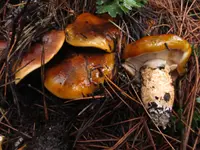
Its common name, necklace Tricholoma, refers to the conspicuous, often fragmented ring zone and hanging fibrils on the upper stem that resemble a string of beads or a necklace, a feature that helps separate it from similar brown Tricholoma species.

Pine forest specialist

This fungus is strongly associated with conifers, especially pines, forming ectomycorrhizal partnerships with their roots and contributing to nutrient exchange and soil health in boreal and temperate pine forests.

Rusty-brown cap pattern

Mature fruiting bodies show a characteristic rusty- to orange-brown cap with paler margins and often darker radial streaks, a combination of traits mycologists use for field identification along with its robust stature and white gills that do not change color markedly when bruised.

FAQs about Necklace Tricholoma

This mushroom is generally considered inedible and of poor culinary value. Identification within the Tricholoma genus is difficult, and some related species are toxic. For safety, it should not be collected or consumed as food.

Grow Healthy Plants with Botan Care

Keep your plants happy and healthy with plant identification, disease detection, and easy care guidance.

Botan plant care app — identify plants on mobile

Explore More Plants