Botryobasidium subcoronatum Care

Botryobasidium subcoronatum

About Botryobasidium subcoronatum

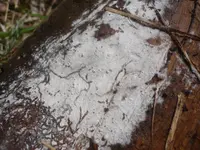
Botryobasidium subcoronatum is not a typical houseplant but a crust-forming fungus that grows as a thin, spreading layer on wood and plant debris. It forms smooth to slightly wrinkled, pale fruiting surfaces that stay close to the substrate rather than producing showy caps or stems.

This species is usually found in forested or sheltered outdoor environments, especially on decaying woody material where humidity is moderate to high. It plays a role in breaking down dead organic matter, so any attempt to care for Botryobasidium subcoronatum focuses on stable moisture, shaded conditions, and access to suitable wood rather than conventional pot culture.


Main Plant Requirements

Care Difficulty

Moderate Care

Light Preference

Partial Shade

Water Requirements

Moderate Water

Temperature Preference

Warm Climate

Hardiness Zone

Unknown

Soil Texture

Loamy

Soil pH

Slightly acidic (6.5–7.0)

Soil Drainage

Well-drained

Fertilization

Minimal (feed rarely)

Get Personalized Care Plan

Scan your plant to receive care tips personalized for your specific plant

Available on iOS and Android

How to Care for the Botryobasidium subcoronatum

This fungus prefers low to moderate natural light rather than direct sun exposure.

  • Provide bright shade or dappled light, avoiding direct midday sun; 1–3 hours of weak early-morning or late-afternoon sun is usually safe if humidity stays high.
  • Allow growth in partial shade to deep shade under trees, shrubs, or leaf litter, as Botryobasidium subcoronatum often colonizes shaded, decaying wood.
  • Protect from strong summer sun, which can dry substrates too quickly; in winter, slightly more filtered light can help maintain stable surface moisture.

Moisture management focuses on keeping the substrate consistently damp but never waterlogged.

  • Maintain evenly moist conditions in the upper 2–5 cm of organic matter or wood, allowing only the very surface to dry lightly between wettings.
  • Use a free-draining, high-organic substrate or decaying wood so excess water runs off, reducing the risk of standing water and anaerobic (oxygen-poor) zones.
  • Reduce watering frequency in cooler seasons while still preventing complete drying; slimy, foul-smelling patches suggest overwatering, while brittle, pale mycelium indicates underwatering.

Stable, cool to mild temperatures support the most reliable development of this wood-decaying fungus.

  • Aim for 55–70°F (13–21°C) as an optimal range for steady growth and substrate colonization.
  • Tolerates down to about 40°F (4°C) for short periods but prolonged exposure near freezing or hard frost can slow or halt activity.
  • Above 77–80°F (25–27°C), monitor closely; excessive heat combined with low humidity can dry the substrate, so provide shade and extra moisture during hot spells.

This fungus does not have specific humidity requirements for routine observation or culture in typical indoor settings.

This wood-decay fungus usually colonizes dead wood rather than growing in conventional soil, so substrate conditions matter more than mineral soil properties.

  • Provide well-aerated, fibrous woody material such as decaying logs, chipped branches, or bark pieces as the main substrate.
  • Keep the substrate moist but not waterlogged by allowing excess water to drain away freely after wetting.
  • Maintain a slightly acidic to neutral environment (around pH 5.5–7.0) by avoiding heavy liming or alkaline additives.
  • Avoid compacted, clay-heavy soil and dense containers that restrict air movement around the colonized wood.

This species is not well suited to decorative container growing and is usually maintained only in specialized culture setups.

This wood-decay fungus grows on natural substrates and does not need intentional fertilization in cultivation or observation settings.

Pruning is not applicable for Botryobasidium subcoronatum because it is a saprophytic fungus rather than a managed ornamental plant.

Transplanting is generally unnecessary, as this fungus lives in or on decaying wood and other natural materials rather than in pots.

  • If relocation is required for study, move small colonized wood pieces rather than trying to separate the mycelium from its substrate.
  • Handle the substrate gently to avoid breaking apart colonized sections, which can slow regrowth.
  • Work during mild, stable weather to limit desiccation of the wood and fungal tissue.
  • Place the substrate in a similar shaded, humid microhabitat to reduce stress and maintain growth.

Propagation of this species is seldom attempted intentionally, as Botryobasidium subcoronatum spreads naturally by spores on suitable dead wood.

This fungus is naturally adapted to outdoor conditions in its range and usually needs no special winter care.

Care Tips

Host selection

When encountering this fungus on ornamental or crop hosts, prioritize maintaining vigorous, unstressed plants through proper nutrition and irrigation, as healthier hosts are less likely to suffer extensive tissue loss from Botryobasidium subcoronatum colonization.

Hygiene and debris

Promptly remove and dispose of heavily colonized plant debris, mulch, and dead wood in sealed bags rather than composting, to reduce local inoculum and slow reinfection cycles.

Targeted sanitation cuts

If mycelial growth appears on low branches or stems, make clean cuts well into visibly healthy tissue with sterilized tools and disinfect blades with 70% isopropyl alcohol between plants to limit spread.

Moisture management

Reduce prolonged leaf and stem wetness by adjusting irrigation timing to early morning and improving air movement near the soil surface, since extended surface moisture favors fungal growth and sporulation.

Monitoring high‑risk areas

Regularly inspect shaded, poorly ventilated, and organic-matter-rich zones such as dense groundcovers or thick mulch layers, because early detection is the most effective step in caring for Botryobasidium subcoronatum in landscape settings.

Common Pests and Diseases

White wood rot

This disease breaks down lignin in the host wood, leaving it pale, stringy, and structurally weakened. Symptoms include whitening of the wood, soft, fibrous texture, and gradual loss of mechanical strength in infected branches or trunks.

Solution

Remove and destroy heavily colonized wood where feasible and improve site conditions to reduce long-term moisture on bark and exposed wood. For managed trees, reduce mechanical stress (such as heavy pruning wounds), keep trees vigorous with appropriate watering and mulching, and consult an arborist or forest pathologist if structural stability is in question.

Cambial canker

This disease targets the cambium layer under the bark, causing sunken, dead patches and local dieback around infected zones. Symptoms include cracked or sunken bark, discolored inner tissue, and reduced sap flow above the lesion.

Solution

Prune out affected limbs back to healthy wood during dry weather, disinfecting tools between cuts with 70% alcohol or a 10% bleach solution. Reduce plant stress by avoiding bark injury, preventing prolonged soil saturation around roots, and maintaining balanced nutrition so the tree or shrub can compartmentalize the infection more effectively.

Saprophytic stem decay

This disease develops on dead or severely weakened woody tissue, accelerating decay and hollowing of stems, stumps, or fallen branches. Symptoms include soft, crumbly wood with mycelial growth on or under the bark and sometimes a musty odor.

Solution

Promptly remove and dispose of dead or badly decayed wood to limit inoculum near valuable trees or shrubs. Maintain plant vigor and prune correctly so that branches die back cleanly and do not leave large, slow-healing wounds that favor colonization, following basic Botryobasidium subcoronatum care instructions for site and moisture management where this fungus is part of the local wood-decay community.

Interesting Facts

Corticioid wood decomposer

This species forms thin, crust-like fruiting bodies on dead wood and is known as a corticioid fungus, specializing in breaking down lignin and cellulose in fallen branches and logs.

Worldwide temperate distribution

It has been reported from temperate regions in both the Northern and Southern Hemispheres, occurring on various hardwoods and conifers in forests and woodlands.

Microscopic identification needed

Species-level identification relies on microscopic features such as basidiospore shape and size, along with the characteristic basidia bearing multiple sterigmata, since the macroscopic crust is visually similar to related species.

FAQs about Botryobasidium subcoronatum

This wood-decay fungus can spread locally through spores and mycelium in dead or weakened woody material but is not considered invasive in managed gardens. It does not typically overrun healthy, well-maintained ornamental plantings.

Grow Healthy Plants with Botan Care

Keep your plants happy and healthy with plant identification, disease detection, and easy care guidance.

Botan plant care app — identify plants on mobile

Explore More Plants