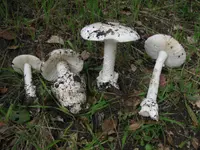
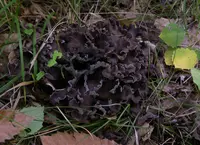
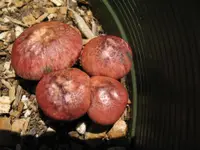
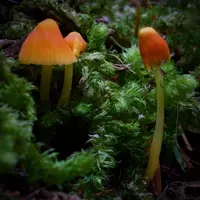
Anise Mazegill Care (Gloeophyllum odoratum)

Anise Mazegill

About Anise Mazegill

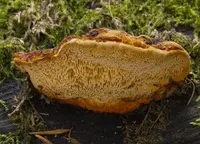
Anise mazegill, Gloeophyllum odoratum, is a wood-decaying bracket fungus rather than a leafy houseplant. It forms flat, fan-shaped fruiting bodies with maze-like pores on the underside and a warm anise scent when fresh.

This species grows naturally on conifer wood, especially spruce, in cool and temperate forests of Europe and parts of North America. Its need for decaying conifer timber and stable humidity makes it difficult to cultivate indoors, so attempts to care for Anise Mazegill at home are usually experimental.

In nature it prefers shaded locations, consistent moisture, and well-rotted wood instead of soil, reflecting its role as a specialist decomposer.

Main Plant Requirements

Care Difficulty

Moderate Care

Light Preference

Partial Shade

Water Requirements

Regular Water

Temperature Preference

Cool Climate

Hardiness Zone

Unknown

Soil Texture

Loamy, Organic-rich

Soil pH

Acidic (5.5–6.5)

Soil Drainage

Moist but well-drained

Fertilization

Minimal (feed rarely)

Get Personalized Care Plan

Scan your plant to receive care tips personalized for your specific plant

Available on iOS and Android

How to Care for the Anise Mazegill

This wood-decaying fungus prefers cool, forest-like light conditions rather than strong, open sun.

  • Provide bright, dappled shade with 1–3 hours of weak morning sun and no harsh afternoon sun to prevent drying and bleaching of the fruiting bodies.
  • Allow partial shade to deep shade; 20–40% filtered light under conifers or broadleaf trees mimics natural Anise Mazegill habitat.
  • In summer, protect from direct sun between 11 am–4 pm; in winter, slightly more open light is acceptable if the substrate stays moist and does not overheat.

Moist, not waterlogged, conditions around the wood host are key for stable fruiting of this fungus.

  • Before watering, check that the top 2–3 cm of surrounding mulch or soil feel just slightly dry but the underlying wood remains damp, then moisten evenly.
  • Ensure excellent drainage so water does not pool; consistently soggy conditions around Gloeophyllum odoratum increase rot risk in nearby plants and can sour the substrate.
  • In warm, dry periods, mist or gently hose the area when caps look shrunken or dull, and reduce watering in cool, wet seasons to avoid oversaturation.

This species is adapted to cool, temperate forest climates and tolerates a moderate temperature range.

  • Aim for active growth in 50–70°F (10–21°C); fruiting often appears in cool, moist periods of spring and fall within this range.
  • The fungus tolerates brief drops to around 23°F (-5°C) once established, but repeated hard freezes or freeze–thaw cycles can damage exposed fruiting bodies.
  • In hot spells above 80°F (27°C), shade and increased ambient humidity help reduce drying of caps and underlying wood, especially on sun-exposed logs or stumps.

Humidity is not a significant factor for this wood-decaying fungus, which thrives mainly on suitable conifer timber rather than air moisture levels.

This species does not grow in conventional potting soil but on decaying conifer wood, so the focus is on substrate composition rather than garden soil.

  • Use well-seasoned, resin-rich conifer wood (often spruce or fir) as the primary substrate, avoiding fresh, chemically treated, or painted timber.
  • Maintain the wood in a consistently moist but not waterlogged state by occasional soaking, then letting excess water drain away fully.
  • Keep the substrate slightly acidic to neutral (around pH 5.5–7) by avoiding alkaline additives such as lime or high-ash materials.
  • Improve aeration by ensuring air gaps around stacked logs or blocks so fungal tissue does not suffocate in stagnant, saturated conditions.

This fungus is not naturally suited to conventional container growing, though it can be cultured on wood pieces placed in trays or boxes for observation.

  • Choose a shallow, rigid tray that fits the wood snugly to limit tipping as the fruiting bodies extend from one side.
  • Drill side vents or leave part of the container uncovered so air can circulate around the wood while any excess water can evaporate steadily.
  • Elevate the container slightly on spacers so runoff can escape freely and the wood does not sit in a sealed, anaerobic puddle when caring for Anise Mazegill.

This wood-decaying fungus naturally obtains nutrients from its host wood, so Anise Mazegill usually needs no added fertilizer.

Gloeophyllum odoratum does not benefit from horticultural-style pruning and is usually left untouched on its host wood.

This bracket fungus is typically left in place on dead conifer wood and is not suited to standard pot culture.

  • If cultivation is attempted, mount small wood sections in a well-ventilated container that mimics its natural log habitat.
  • Avoid disturbing the mycelium; moving colonized wood often slows growth or damages the fungal network.
  • Transplant only by relocating entire pieces of colonized wood, keeping them shaded and evenly moist.
  • Handle gently and avoid scraping the fruiting bodies or underlying tissue to reduce stress.

This species is usually propagated only by specialists, since it relies on spores and colonization of suitable conifer wood.

This temperate, wood-inhabiting fungus is naturally cold hardy and generally needs no special winter care outdoors.

Care Tips

Use Conifer Substrate

Place colonized wood on fresh, untreated conifer boards or moist conifer sawdust blocks to extend the fruiting area and keep the fungus supplied with its preferred lignin-rich food source.

Optimize Air Exchange

Provide gentle but constant air movement around the fruiting bodies to prevent CO2 buildup, which helps maintain firm texture and reduces the risk of bacterial film on the pore surface.

Monitor Wood Moisture

Weigh logs or boards periodically and rehydrate them only when weight loss indicates significant moisture drop, which prevents both desiccation and anaerobic rot in the substrate.

Separate From Ornamental Wood

Keep colonized wood and fruiting pieces away from structural timber, outdoor decking, and valuable wooden fixtures to avoid unintended colonization and decay of those materials when growing Anise Mazegill.

Use Modular Fruiting Blocks

Prepare several small, manageable wood blocks rather than one large piece so individual blocks can be rotated, removed, or discarded if contamination, mold, or pests appear without sacrificing the entire culture.

Common Pests and Diseases

Competitive wood-decay fungi

This disease occurs when other decay fungi colonize the same conifer wood, outcompeting or overgrowing the existing fruiting bodies. Symptoms include distorted or partially overgrown brackets, mixed spore layers, and faster breakdown of the wood substrate.

Solution

Remove and discard heavily overgrown or decomposed pieces of wood and replace them with fresh, resin-rich conifer wood if continuing to grow G. odoratum. Maintain good airflow and avoid keeping wood constantly waterlogged, which favors more aggressive competitors such as Trametes or other bracket fungi.

Bark-boring beetles

These insects tunnel through conifer wood, creating galleries that interrupt the stable wood surface and microclimate needed for consistent fruiting. Symptoms include small round exit holes, frass (wood dust), and localized drying or crumbling of the substrate near the brackets.

Solution

Cut away and discard badly infested wood sections and shift remaining healthy brackets to new, solid conifer wood if possible. Store culture logs or display pieces off bare soil and under cover, and use fine mesh screening around valuable display wood to limit beetle access in high-pressure areas.

Wood-boring larvae

This pest group includes moth or beetle larvae that feed inside dead conifer wood, loosening the structure and causing cracking, rapid drying, or breakage around the fungal attachment points. Symptoms include soft, tunneled interiors, sagging or falling brackets, and powdery frass inside the wood.

Solution

Inspect and discard heavily tunneled wood and secure remaining brackets to denser, sound conifer pieces to stabilize growth. Keep wood in a sheltered but ventilated area, avoiding prolonged contact with damp soil or leaf litter that encourages egg-laying by wood-boring insects.

Mold contamination

This disease appears as fast-growing, often fluffy or powdery surface molds, usually white, green, or grey, that colonize damp wood or the upper surface of the brackets. Symptoms include dulling of the characteristic anise scent, discolored patches, and soft, waterlogged margins on the fruiting bodies.

Solution

Trim off and discard moldy tissue and allow the wood and brackets to dry slightly with stronger airflow before rehydrating. Reduce continual surface wetting, avoid overhead misting directly on the fruiting bodies, and keep the culture or display in a location with moderate humidity and good ventilation to limit mold competition while growing Anise Mazegill.

Interesting Facts

Distinct anise scent

This bracket fungus releases a sweet, anise-like fragrance when fresh or dried, caused by volatile aromatic compounds that are stable enough to persist in herbarium specimens for many years.

Specialist on conifers

It grows almost exclusively on dead or decaying conifer wood, especially spruce and fir, where it causes a brown rot that selectively breaks down cellulose while leaving much of the lignin framework.

Unusual maze-like pores

Instead of round pores or gills, its spore-bearing surface forms irregular, maze-like tubes that create a labyrinth pattern, a diagnostic feature used by mycologists to separate it from similar brown-rot fungi.

Botan icon

Did you know?

In some European regions, dried, strongly scented fruiting bodies of this species have been used traditionally to perfume spaces such as wardrobes and storage boxes, illustrating how its persistent anise aroma can influence human use despite the fungus not being cultivated as an ornamental or edible species.

FAQs about Anise Mazegill

This bracket fungus is not considered edible. The fruiting body is tough, corky, and has little to no nutritional or culinary value. It is mainly appreciated for its strong anise-like scent and ecological role on conifer wood.

Grow Healthy Plants with Botan Care

Keep your plants happy and healthy with plant identification, disease detection, and easy care guidance.

Botan plant care app — identify plants on mobile

Explore More Plants