tangerine bonnet Care (Atheniella aurantiidisca)

tangerine bonnet

About tangerine bonnet

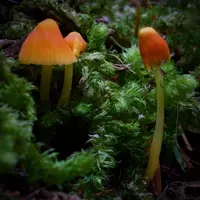
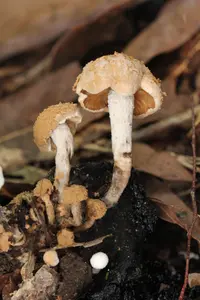
The tangerine bonnet, Atheniella aurantiidisca, is a small woodland mushroom known for its bright orange, bell-shaped caps and slender, fragile stems. It typically appears in scattered groups on mossy, decaying wood or very damp leaf litter.

This species occurs in temperate forests, often in cool, moist, shaded locations where there is abundant organic debris. It does not behave like a houseplant or garden plant and is usually appreciated in situ rather than cultivated.

Because it is delicate, short-lived, and dependent on specific forest substrates, it is considered difficult to grow intentionally. For those studying how to care for tangerine bonnet, focus usually lies on conserving its natural habitat rather than home cultivation.

Main Plant Requirements

Care Difficulty

Hard Care

Light Preference

Shade

Water Requirements

Keep Soil Moist

Temperature Preference

Cool Climate

Hardiness Zone

Unknown

Soil Texture

Organic-rich, Loamy

Soil pH

Acidic (5.5–6.5)

Soil Drainage

Moist but well-drained

Fertilization

Minimal (feed rarely)

Get Personalized Care Plan

Scan your plant to receive care tips personalized for your specific plant

Available on iOS and Android

How to Care for the tangerine bonnet

This small saprotrophic mushroom prefers cool, shaded woodland light rather than direct sun exposure.

  • Provide bright, indirect light or dappled woodland shade, with no more than 1–2 hours of weak morning sun reaching the tangerine bonnet caps.
  • Site colonies where surrounding vegetation or leaf litter filters light, mimicking forest-floor conditions under trees or shrubs.
  • Protect from strong midday and afternoon sun, which can dry substrate quickly, fade cap color, and shorten the fruiting period, especially in late spring and summer.

This fungus depends on consistently moist, not waterlogged, organic substrate to produce healthy fruiting bodies.

  • Aim for evenly moist leaf litter or decaying wood; if the top 1–2 cm feel dry and crumbly, moisture is too low for Atheniella aurantiidisca to fruit well.
  • Use loose, well-drained, humus-rich material so excess water can drain away, preventing standing water and anaerobic (low-oxygen) conditions that damage developing mycelium.
  • Expect higher moisture demand in warm, windy weather; signs of underwatering include shriveled, rapidly collapsing caps, while overwatering shows as soggy substrate with foul odor.

This species fruits best in cool to mild conditions and is sensitive to both hard frost and strong heat.

  • Optimal fruiting typically occurs around 50–65°F (10–18°C), with moist air and sheltered woodland or garden microclimates.
  • Short exposure down to about 32°F (0°C) may be tolerated, but repeated or hard frost damages young fruiting bodies and can halt visible growth.
  • Sustained heat above 75–80°F (24–27°C) dries substrates quickly, so provide extra shade and moisture or expect Atheniella aurantiidisca to retreat to the mycelial stage until conditions improve.

This fungus has minimal humidity requirements in cultivation and usually does not need active humidity control.

Atheniella aurantiidisca is a saprophytic fungus that fruits on decaying wood or very loose organic debris rather than conventional potting soil.

  • Provide a thick layer of moist, decomposing hardwood chips, bark, or well-rotted leaf litter instead of mineral soil.
  • Ensure the substrate stays evenly moist but never waterlogged, with excess water able to drain away freely.
  • Keep the substrate loose and airy; avoid compaction that limits oxygen around the mycelium.
  • Do not use standard dense potting mixes, high-clay garden soil, or heavily fertilized substrates, which suppress fruiting.

This species is not well suited to typical container growing, as it relies on extensive decaying wood or litter rather than a confined potting environment.

This delicate woodland fungus, often called tangerine bonnet, does not need intentional fertilization in most garden or natural settings.

Atheniella aurantiidisca does not benefit from horticultural-style pruning and normally needs no intervention.

This species is a wild saprophytic fungus that grows in soil or leaf litter and is not suited to routine container culture.

  • Avoid disturbing natural colonies; transplanting usually fails because the fungus depends on specific soil fungi and decaying material.
  • If relocation is attempted for study, move an intact plug of soil and litter, keeping it shaded and evenly moist.
  • Carry soil plugs in a ventilated container to limit temperature swings and mechanical damage to the mycelium.
  • After placement, avoid trampling and heavy watering so the fine fungal threads can re-establish contact with the surrounding substrate.

Propagation of Atheniella aurantiidisca is specialized and generally left to mycologists rather than home growers.

This small woodland fungus is naturally cold hardy in its native range and does not require targeted winter care in gardens.

Care Tips

Moisture mapping

Use a simple soil moisture map of your growing area, noting where the substrate dries fastest, and place tangerine bonnets only in consistently moist micro‑zones to avoid fruiting failure in drier spots.

Rot-resistant staging

If fruiting on wood, choose well-weathered, untreated hardwood pieces and raise them slightly on stones or mesh so water can drain and air can circulate, which reduces rot and mold on the substrate while keeping it evenly damp.

Gentle microclimate cover

Create a low, ventilated cover with shade cloth or fine mesh above the colony to buffer wind and direct rain splash, which helps caps last longer and reduces mechanical damage without cutting airflow.

Targeted slug control

Place rough copper tape rings or sharp grit barriers around the immediate fruiting zone and hand-pick slugs at dusk, rather than using broad chemical baits, to protect the delicate mushrooms from grazing.

Fruiting log rotation

Rotate or slightly shift colonized wood or mossy debris every few weeks outside of peak fruiting, keeping the same light level, to expose fresh surfaces and encourage new clusters when growing tangerine bonnet in a controlled bed.

Common Pests and Diseases

Slime molds

This disease appears as slimy, often brightly colored patches that form on and around fruiting bodies in very wet conditions. Symptoms include rapid collapse or smothering of the delicate caps and stems.

Solution

Limit constant surface wetness by improving drainage and slight air movement around the growing container or culture, and gently remove affected fruiting bodies and surrounding substrate. If growing tangerine bonnet on a prepared substrate, replace heavily contaminated material and avoid overmisting in future flushes.

Mycophagous mites

These insects are tiny arthropods that feed on fungal tissue, causing pitted caps, distorted stems, and reduced or aborted fruiting bodies. This pest often appears in poorly cleaned cultivation setups or where organic debris accumulates.

Solution

Discard heavily infested cultures, then clean and dry the growing area, tools, and containers thoroughly before restarting. For valuable cultures, physically remove visible mites and use tight mesh or fine filters on air inlets to reduce re‑infestation while keeping humidity appropriate for Atheniella aurantiidisca care.

Fungal gnats

These insects lay eggs in moist substrates, and larvae feed on fungal mycelium and young fruiting bodies, leading to weak, collapsed, or deformed mushrooms. Adults are often seen as small flies hovering near very damp culture containers or trays.

Solution

Allow the top layer of substrate to become slightly less wet between misting while keeping internal moisture adequate, and remove any decaying organic matter around the growing site. Use fine mesh covers on vents, yellow sticky traps to reduce adults, and start new cultures from clean material if larval damage is extensive.

Competing mold contamination

This disease occurs when fast-growing molds colonize the substrate before or alongside the target fungus, appearing as green, blue, or gray fuzzy patches. Symptoms include poor or no fruiting, off odors, and discolored substrate around the expected mushroom sites.

Solution

Promptly remove and discard contaminated cultures or heavily affected sections of substrate to avoid spread. For new attempts, sterilize or pasteurize substrate properly, use clean tools, and reduce airborne dust in the cultivation area to encourage Atheniella aurantiidisca to establish before competitors.

Interesting Facts

Tiny forest mushroom

This species produces very small, delicate caps, often only a few millimeters across, that appear on decaying conifer wood in damp forests.

Distinct tangerine cap

Its cap shows a vivid orange to tangerine color when fresh and moist, which can fade or become more translucent as it dries, making it relatively easy to recognize in the field compared with many other tiny mycenoids.

Gelatinous cap surface

The cap surface has a slightly gelatinous texture when fresh, a feature that helps reduce water loss and gives the fruiting body a somewhat glossy appearance in humid conditions, which is useful for those learning how to take care of tangerine bonnet in cultivation-like displays.

FAQs about tangerine bonnet

This small woodland mushroom is not recommended for eating. It is regarded as inedible due to its tiny size, fragile texture, and lack of culinary value. Identification confusion with other orange mycena-like fungi also increases risk.

Grow Healthy Plants with Botan Care

Keep your plants happy and healthy with plant identification, disease detection, and easy care guidance.

Botan plant care app — identify plants on mobile

Explore More Plants